

Digital currency is moving beyond speculation. It is becoming a practical tool for routine payments and transactions. This shift transforms how we think about money.
Adoption is surging. Nearly one-in-four people globally owned cryptocurrency in 2025. Half of Gen Z and Millennials are invested, signaling a major generational shift.
Political developments also boost confidence. In the US, a notable “Trump bump” occurred. Twenty-three percent of non-owners gained interest after new federal reserve plans were announced.
The trend is worldwide. European Central Bank research shows nearly 10% of EU households hold crypto assets. Another 10% plan to purchase soon.
This guide provides actionable tips. It explores real-world crypto applications for shopping, sending money abroad, and more. The future of finance is already here.
How to Use Crypto in Everyday Life
Spending digital currency on goods and services is no longer a futuristic concept. It functions like traditional money but operates on a decentralized network.
Understanding Everyday Crypto Payments
Using cryptocurrency means treating it as digital cash. You can buy coffee, pay for a service, or shop online. The core benefits are significant.
Transactions are often instant and global. Fees can be lower, especially for international transfers. Users also gain more privacy and direct control over their funds.
The basic mechanics involve a digital wallet. This wallet holds your addresses for sending and receiving. When you pay, you confirm the transaction on the blockchain.

Practical Tips for Daily Transactions
Start by finding welcoming merchants. Look for “Bitcoin Accepted Here” signs or check a store’s website. This signals they are ready for your digital currency.
Many locations use a simple QR code system. You scan the code with your wallet app and approve the payment. It’s fast and confirms instantly.
Not every shop accepts crypto directly. Services like BitPay offer clever workarounds. They let you load funds onto prepaid cards or gift balances for spending anywhere.
For smooth daily transactions, consider these points:
- Choose a wallet type that fits your needs (hot for convenience, cold for security).
- Understand that network confirmation times can vary.
- Manage smaller purchases separately from larger ones.
The methods and platforms available today make this form of payment increasingly accessible. It bridges the gap between digital assets and real-world commerce.
Everyday Crypto Payment Solutions
The bridge between digital assets and the physical checkout counter is now built with specialized cards and direct transfers. These payment methods provide a practical way to spend various digital currencies.
Crypto Debit Cards and Wallet Options
Crypto debit cards function like standard bank cards. Providers like Crypto.com and Coinbase instantly convert your digital holdings into local currency at the point of sale.
This allows spending anywhere Visa or Mastercard is accepted. Key advantages include:
- Universal merchant acceptance.
- Access to cashback and other reward programs.
- Seamless use of existing payment terminals.
For daily access, a connected hot wallet is typical. Long-term storage often uses more secure cold wallet solutions.
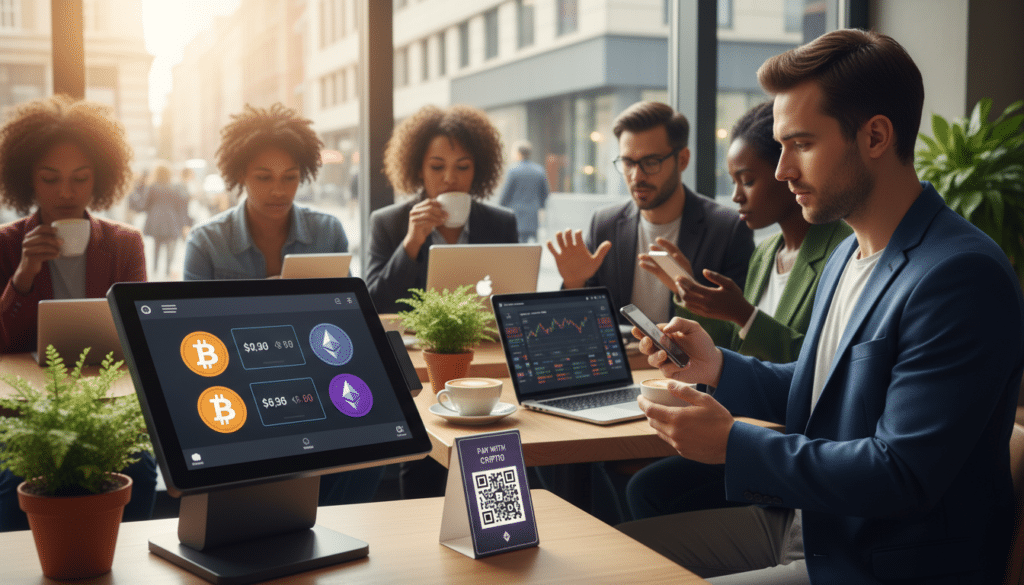
Direct Merchant and QR Code Transactions
Many merchants now accept digital currency directly. You send funds from your wallet to their address, often with lower fees.
The process is streamlined with QR codes. Scanning a code auto-fills the recipient and amount in your app. You then confirm the payment.
Major companies and platforms support these crypto payments. Traditional banks are also integrating these services into their offerings.
Integrating Crypto into Daily Bills and Subscriptions
The next frontier for digital currency is automating routine financial obligations. Essential services like utilities and subscriptions can now be paid directly with cryptocurrencies. This move bypasses traditional bank channels.
Paying Bills with Crypto Platforms
Specialized platforms handle these payments. Services like BitPay let you settle electricity, internet, and phone bills using your digital assets.
The setup is quick. Download the app, link your account, and select a funding source from your wallet. The entire process often takes just minutes.
Key advantages drive adoption:
- Swift transaction processing.
- Lower fees than many traditional methods.
- Direct use of digital assets without conversion.
Recurring Payments and Automated Transactions
Smart contracts enable “set-and-forget” billing. Programmable crypto executes payments automatically on scheduled dates.
This automation solves common headaches. Payments draw directly from your wallet balance, eliminating issues with expired cards.
New infrastructure providers like Loop Crypto and Superfluid are building dedicated solutions. Their systems work seamlessly with Web 3.0 apps for global, decentralized billing.
Choosing the right blockchain network is important. Speed and cost vary, affecting suitability for time-sensitive transactions.
Innovative Crypto Platforms and Technologies
Innovative blockchain platforms are reshaping how we interact with digital goods and send money across borders. These systems unlock new forms of ownership and global value transfer.
Digital Goods, NFTs, and Tokenized Assets
Cryptocurrencies enable the purchase of unique digital items. Gaming platforms like Axie Infinity use native tokens for in-game purchases. This creates vibrant virtual economies.
NFT marketplaces, including OpenSea and Rarible, allow users to buy and resell unique digital assets. These platforms support various cryptocurrencies.
Tokenization expands utility beyond purely digital goods. It represents physical property or financial instruments on a blockchain network. This provides transparent provenance tracking.
True on-chain ownership is a key advantage. Buyers can verify the authenticity and history of their assets. This technology was impossible with traditional systems.
Leveraging Crypto for Global Remittances
Cross-border payments are a transformative use case. Crypto offers a faster, cheaper alternative to traditional banking. This is vital for global businesses and individuals.
Ripple partners with banks and fintech companies. Its XRP Ledger facilitates near-instant international settlement. Costs are significantly reduced.
Stellar uses partners called “Anchors” on its blockchain. They move value across countries and pay out in local fiat currencies. This aids markets with limited banking access.
These remittances are valuable in nations facing currency devaluation. They help counteract inflation and foreign currency shortages. Innovative platforms provide a practical way to move value globally. For those inspired, you can learn to create your own cryptocurrency and contribute to this evolving space.
Securing Your Crypto Transactions
Navigating the world of crypto payments safely hinges on two pillars: wallet security and tax compliance. Protecting your assets ensures your digital finance journey is sustainable.
Best Practices for Wallet Security
Your choice of wallet is critical. For daily spending, a trusted hot wallet like Trust Wallet offers convenience. Store larger amounts offline in a hardware wallet like Ledger.
Essential security methods are non-negotiable. Always enable two-factor authentication on any connected platform. Use strong, unique passwords and biometric locks where available.
Monitor your wallet activity regularly. This habit helps detect unauthorized access quickly. It also builds a clear record for your own oversight.
Understanding Regulatory and Tax Implications
In the United States, the IRS treats cryptocurrency as property. This means nearly every transaction can be a taxable event, not just selling for fiat currency.
Meticulous record-keeping is required. Document the date, amount, purpose, and fair market value for each transaction. Tools like Koinly or CoinTracker automate this service across wallets.
Even spending with a crypto debit card triggers tax implications. Converting crypto to pay for goods may create a capital gain. Network fees also add to the total cost of a transaction.
Following these methods protects your legal standing. It makes using cryptocurrencies a responsible part of your financial service toolkit.
Business Adoption of Crypto Payments
Enterprise adoption of blockchain-based settlements is shifting from pilot programs to core operations. Major companies now integrate digital assets for treasury management and supplier payments.
B2B Payments and Global Payroll Innovations
Global businesses leverage cryptocurrencies for disbursements. This method is faster and cheaper than international wires.
Platforms like Bitwage and Deel support crypto payroll. They enable transparent payment trails and lower foreign exchange fees.
Fortune 500 firms, including PayPal and EY, use cryptocurrency infrastructure from partners like Coinbase. This signals deep enterprise confidence.
E-commerce and Retail Case Studies
Retailers gain key advantages with crypto payments. They access lower fees and a global digital-first customer base.
In countries like Nigeria, local shops accept digital currencies via platforms like Binance. This helps them compete during local currency instability.
The network effect is powerful. As more merchants adopt this technology, consumer adoption grows, creating a positive feedback loop for the entire ecosystem.
Challenges and Opportunities in Everyday Crypto Use
While cryptocurrency gains traction, practical users must navigate volatility and acceptance gaps. These hurdles shape the current landscape for digital payments.
Managing Volatility and Transaction Fees
Price swings can alter the value of a purchase between initiation and confirmation. This makes budgeting with digital assets unpredictable.
Network fees also vary. During congestion, costs rise, making small transactions impractical. Stablecoins offer one solution for steady spending.
Timing purchases and using dedicated card products are common methods. They help manage risk in a fluctuating market.
Future Trends and Merchant Readiness
Innovations like the Lightning Network enable fast, low-cost Bitcoin transactions. Taproot upgrades improve privacy and efficiency.
These technologies make crypto more viable for daily services. Payment processors are integrating support, lowering barriers for businesses.
Early-adopting merchants can access new customers and reduce processing fees. This creates a powerful way forward for the entire asset class.
Conclusion
Mainstream adoption of digital assets for routine spending is no longer a prediction but a reality. From debit cards to bill payments, the ways to integrate this currency are diverse and practical today.
Challenges like volatility exist. Yet the benefits of lower fees and global access make cryptocurrency a compelling tool. Start with small transactions and prioritize wallet security for a smooth experience.
Taking a first step is key. Explore one method that fits your needs. Beyond spending, digital assets can also generate returns. The role of crypto in managing money will only expand.
FAQ
Is it safe to spend digital currency for daily purchases?
Yes, when proper security measures are followed. Using a reputable non-custodial wallet like MetaMask or a trusted exchange card such as Coinbase Card provides robust protection. Always enable two-factor authentication and never share your private keys.
Where can I actually spend my Bitcoin or Ethereum?
Many companies now accept cryptocurrency directly. You can shop at Newegg, book travel with Travala, or order food via delivery apps. Crypto debit cards from providers like Crypto.com convert your digital assets to local currency at millions of standard Visa or Mastercard terminals worldwide.
How do businesses benefit from accepting digital asset payments?
Companies gain access to a global customer base and can settle transactions faster than with traditional bank transfers. Services like BitPay and Coinbase Commerce handle the conversion, so merchants receive local currency, avoiding volatility risk. This reduces processing fees and opens new markets.
What are the main hurdles for regular cryptocurrency transactions?
Price volatility and network fees are common challenges. Stablecoins like USDC or USDT are popular for spending, as their value is pegged to the dollar. For fees, choosing networks with lower costs, such as the Solana blockchain, can make smaller everyday payments more practical.
Can I automate bills and subscriptions with my digital wallet?
A> Absolutely. Platforms like Request Finance and Crypto.com Pay allow for scheduled payments. Some services let you pay subscription bills directly from your wallet, bringing the convenience of automated traditional banking to the world of decentralized finance.
Are there tax implications for using crypto to buy goods?
In many countries, including the United States, using cryptocurrency to purchase items is a taxable event. You may incur capital gains tax based on the asset’s increased value since purchase. It’s crucial to keep detailed records of all transactions for accurate reporting.

No comments yet