
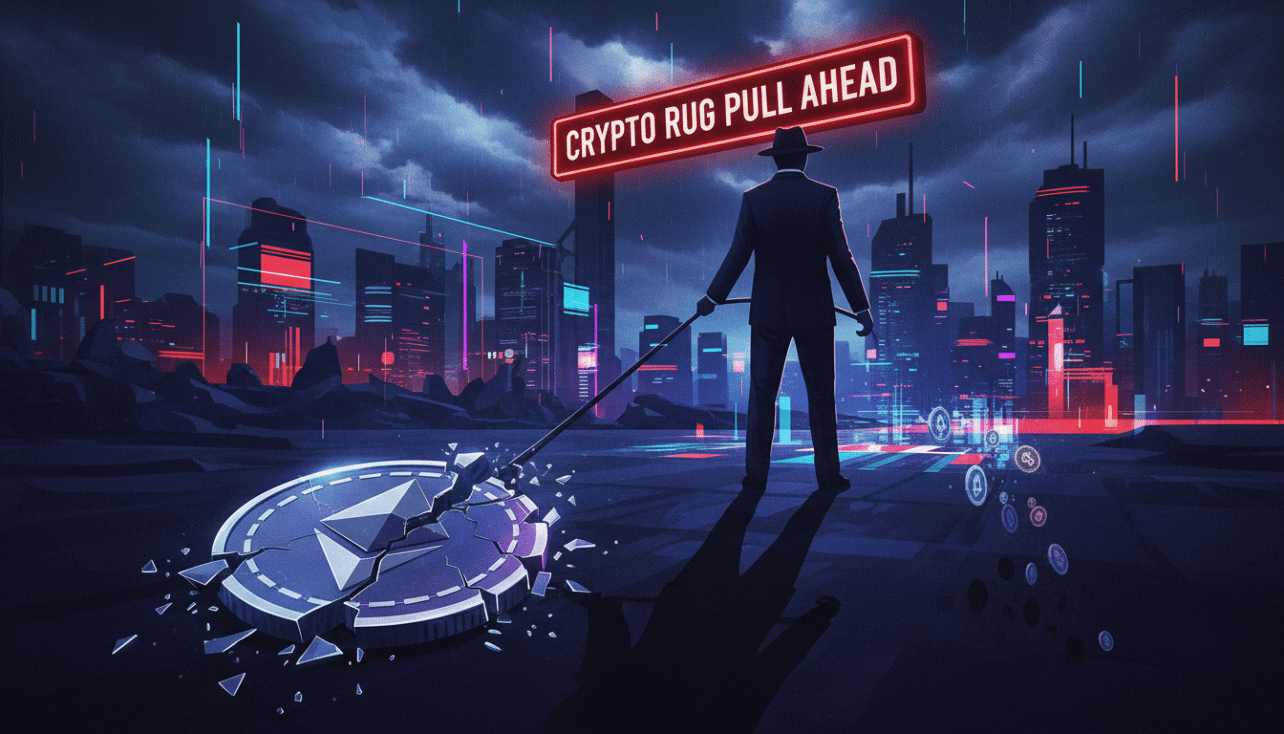
The cryptocurrency landscape holds immense promise, but it also harbors significant risks. Among these, rug pulls stand out as a particularly devastating form of deception. These schemes target digital asset holders, leading to sudden and total financial loss.
Recent data paints an alarming picture. In the first half of 2025 alone, nearly $2.5 billion was lost to various crypto hacks and fraudulent activities. A substantial portion of this stemmed from these exit scams. The year 2024 saw $85 million directly drained through such maneuvers.
This threat is not isolated to obscure corners of the market. Research indicates that on certain blockchains like Solana, a staggering 98 percent of new tokens exhibit red flags. These signs often point to pump-and-dump or rug-pull schemes waiting to happen.
For anyone with a stake in digital assets, this knowledge is non-negotiable. Understanding the mechanics of these scams is the first layer of defense. This guide provides that essential knowledge, empowering you to navigate the market with greater confidence and security.
Understanding the Concept of Rug Pulls
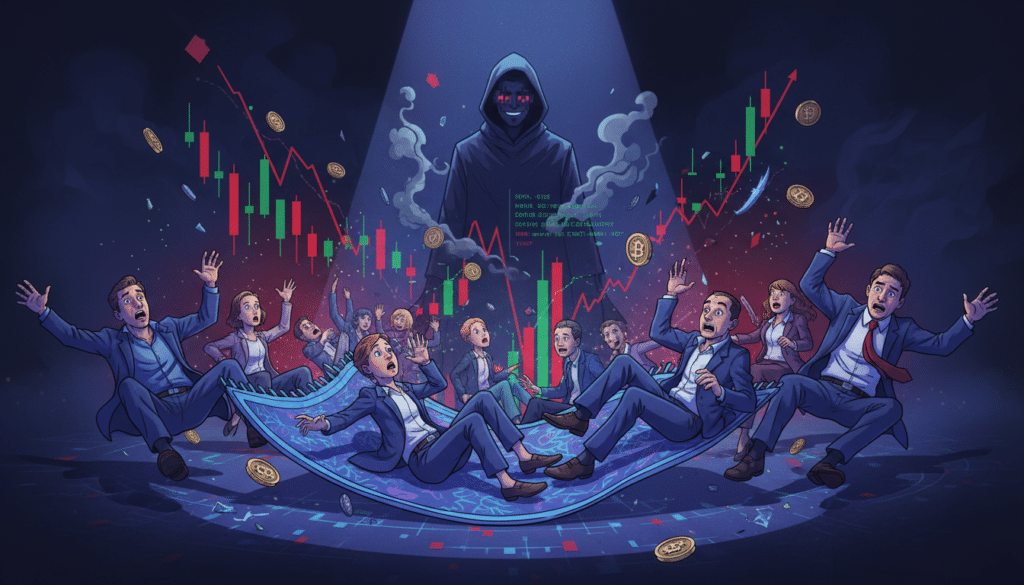
Unlike market volatility, the risk of a rug pull stems from malicious intent, not economic forces. It is an exit scam where project creators vanish with investor money. They build hype, attract capital, and then suddenly remove all liquidity, leaving holders with worthless tokens. For a deeper dive into what a rug pull is, understanding this basic deception is crucial.
Definition and Mechanics
The mechanics follow a predictable pattern. Developers create a token and list it on a decentralized exchange. They then market it aggressively to draw in investors.
Funds collect in a liquidity pool. The exit strategy is executed by draining this pool entirely. Common schemes include liquidity pulls, fake project promotions, and pump-and-dump maneuvers.
Types: Hard vs. Soft Rug Pulls
A hard rug pull is a complete, sudden exit. Developers shut everything down and disappear with all funds at once.
In a soft rug pull, the approach is gradual. Creators slowly sell their token holdings over time. This causes a steady price decline without immediate alarm.
Crypto Landscape and the Rise of Scams
While blockchain promises financial freedom, its very features can be twisted to facilitate devastating scams. The cryptocurrency market’s lack of comprehensive regulation and inherent anonymity create a high-risk environment. Fraud can operate unchecked, leading to massive losses for participants.

Recent data is alarming. Billions are lost annually to these schemes. The decentralized nature of the space means oversight is minimal. This allows scammers to launch projects and vanish with investment capital.
Market Conditions and Investor Vulnerability
Rapid growth and constant new token launches provide cover for fake ventures. These projects blend in with legitimate ones. High volatility and social media hype further cloud judgment.
Investors face several challenges. The technical complexity of blockchain can be a barrier. The fear of missing out (FOMO) often pushes people to act hastily.
Conducting thorough due diligence is difficult in a fast-moving market. The anonymity that protects privacy also shields bad actors. They can collect funds and disappear without a trace.
In many regions, legal frameworks are still developing. This means victims have little recourse. Understanding these dynamics is essential for protection. Vigilance is a non-negotiable skill for navigating this landscape.
how to spot a rug pull in crypto
Protecting your digital assets demands a keen eye for the subtle clues that signal a fraudulent venture. Spotting a potential rug pull requires systematic analysis across several dimensions. You must examine the team’s transparency, the project‘s tokenomics, and the overall legitimacy of the offering.
Key Indicators to Monitor
Several red flags should immediately raise concern. Anonymous or unverified developers are a major warning sign. Legitimate teams have public reputations to protect.
Be wary of unrealistic promises for guaranteed high returns. These claims often exploit greed. Also, check the token distribution and initial liquidity.
Schemes often target tokens with very low liquidity. This allows small trades to cause big price swings. A heavily concentrated supply in a few wallets is another critical flag.
Importance of Thorough Analysis
Conducting deep research before investing is your best defense. These scams can execute in hours, leaving no time for reaction. The weak regulatory environment in crypto means investors bear the primary responsibility for safety.
Always verify if a project‘s smart contracts have been audited. Use blockchain explorers to check for locked liquidity. Understanding the rug pull meaning is the first step toward avoiding this devastating fraud.
Identifying Red Flags and Warning Signs
The most effective defense against fraud involves recognizing specific, concrete warning signals. Savvy investors learn to look beyond hype and examine fundamental project details.
Anonymous Developers and Unverified Teams
A major red flag is an anonymous team. When developers hide their identities, accountability vanishes. Legitimate project leaders have verifiable backgrounds and established reputations.
They share professional profiles and engage openly with the community. A lack of this transparency is a critical warning sign. It often accompanies plagiarized documents and empty hype.
Unlocked Liquidity and Unusual Token Behavior
Check the liquidity pool status immediately. Unlocked pools let developers withdraw funds at any moment. This technical ability enables a sudden exit.
Always verify that liquidity is locked for months or years. Use a blockchain explorer to analyze token distribution. If one wallet holds most of the supply, price manipulation is likely.
Watch for suspicious wallet activity, like insiders selling large volumes. These are clear red flags of a potential scam. A thorough understanding of these warning signs is essential for safe investing.
The Role of Smart Contracts and Liquidity Pools
At the technical heart of every decentralized token project lie two critical components: smart contracts and liquidity pools. These elements govern how assets function and trade. Vulnerabilities within this infrastructure are the primary tools for executing a devastating exit scam.
Understanding Code Vulnerabilities
A smart contract is self-executing code that controls a token’s rules. Malicious developers often hide functions within this contract. These can allow them to withdraw funds, mint unlimited tokens, or freeze trading.
Unverified code is a major security risk. Always check if a project’s contracts have been audited by a reputable firm. An audit reviews the logic for hidden traps.
Assessing Locked vs. Unlocked Liquidity
A liquidity pool holds paired assets to enable trading. The critical factor is whether this liquidity is locked. Unlocked pools let creators withdraw funds instantly, enabling a sudden rug pull.
Verified security comes from liquidity locked in a time-bound escrow. Use a blockchain explorer to confirm the lock. Look for a meaningful duration, like six months or more, to ensure project commitment.
Case Studies: Notable Rug Pull Scams
Real-world examples provide the clearest lessons about the devastating impact of crypto fraud. Analyzing specific case studies reveals the common tactics used by malicious actors.
Squid Game Token Debacle
The Squid Game token is a textbook case. Developers capitalized on a popular show’s fame. The token price surged an unbelievable 40,000%.
This created intense FOMO. Then, the trap sprung. The smart contract blocked all selling functions.
Investors watched helplessly as developers drained the liquidity pool. They vanished with millions, leaving investors with worthless tokens. It was a classic, hard rug pull.
Other High-Profile Incidents and Their Lessons
SafeMoon appeared legitimate but became a long-term scam. Insiders slowly pulled funds, leading to executive convictions.
The Thodex exchange collapse saw a CEO disappear with roughly $2 billion. This shows fraud can happen at any level.
AnubisDAO raised $60 million and drained it in hours. Speed is a hallmark of modern rug pulls.
The key lesson is clear. Verify selling functions before investing. Be skeptical of viral trend projects. Watch for odd wallet activity siphoning money.
Due Diligence and Research Strategies for Investors
Before committing funds, investors must adopt a rigorous research framework to evaluate project legitimacy. This systematic approach is your primary shield against rug pulls.
Verifying Developer Credentials
Start by investigating the team. Legitimate developers have public, verifiable profiles on professional networks.
Examine their past project involvement and industry reputation. Major red flags include anonymous founders and profiles using stock images.
A lack of public engagement or video appearances often signals low transparency. This makes a potential rug more likely.
Smart Contract Audits and On-Chain Analysis
Always check for a smart contract audit from a reputable security firm. Firms like CertiK or Quantstamp review the code for hidden vulnerabilities.
Read the audit report yourself. Verify when it was done and if fixes were applied. An old audit or a modifiable contract reduces its value.
Conduct on-chain research using tools like Etherscan. Analyze tokens distribution and check if liquidity is locked for a long period.
Look for suspicious wallet activity from insider addresses. This investment in research is far cheaper than losing everything to a scam.
Tips and Best Practices to Avoid Crypto Scams
Avoiding devastating losses in the volatile crypto space hinges on applying consistent, verifiable checks. Investors must develop daily habits that protect their assets from fraud. This involves both staying informed and making disciplined trading choices.
Staying Informed with Market Trends
Continuous education is your first line of defense. Follow reputable cryptocurrency news outlets and security analysts. They report on emerging scams and known threats.
Join active communities on forums and Discord. The collective intelligence there provides early warning signs about suspicious projects. Social media is a double-edged sword. It offers news but is also a primary tool for scammers.
Balancing Hype with Data-Driven Decisions
Never let excitement override analysis. If a token price skyrockets without real news, be skeptical. This often signals manipulation before a rug pull.
Check a token’s age and trading history. New tokens carry higher risk. Examine volume spikes that lack a clear cause.
Secure your wallet. Use hardware wallets for significant holdings. Never share private keys. Apply these principles to avoid NFT scams and rug pulls as well.
Develop personal rules. Require team transparency and locked liquidity. Allocate only funds you can afford to lose. This disciplined investment approach filters out most rug pulls while spotting real opportunities.
Conclusion
The ultimate safeguard against financial loss in cryptocurrency is a well-informed and disciplined investment approach. Rug pulls remain a severe threat, but educated investors possess the tools for protection.
Your primary defense combines thorough research and constant vigilance. Always verify team transparency, check for smart contract audits, and confirm locked liquidity. Recognize common warning signs like anonymous developers and unrealistic returns.
This knowledge empowers you to navigate the market securely. You can identify legitimate projects and avoid devastating exit scams. Protect your assets and wallet by making data-driven decisions.
While fraud exists, applying these strategies minimizes risk. You can participate in genuine opportunities without falling prey to rug pulls. Stay informed, be cautious, and your funds will be far safer.
FAQ
What is a rug pull in cryptocurrency?
A rug pull is a type of fraud where developers abandon a project and run off with investors’ funds. This often involves draining the liquidity pool, causing the token price to crash to zero and leaving backers with worthless assets.
What are the main types of rug pulls?
There are two primary types. A hard rug pull involves malicious code in the smart contract that lets scammers directly steal money. A soft rug pull happens when developers slowly sell off their tokens, causing the price to plummet, often without obvious illegal code.
Why are new crypto projects particularly vulnerable to these scams?
The fast-paced crypto market, filled with hype on social media, creates an environment where investors chase high returns. This urgency can lead to rushed decisions, skipping vital research and due diligence, making them easy targets for fraudulent projects.
What is the biggest red flag for a potential rug pull?
Anonymous developers and an unverified team are major warning signs. If the people behind the project cannot be identified and have no proven track record, the risk of fraud increases significantly. Always look for public team profiles with verifiable credentials.
How does unlocked liquidity pose a risk?
Liquidity that is not locked in a contract can be removed by the developers at any time. If they pull this liquidity pool, trading halts and the token becomes worthless. Checking for a long-term liquidity lock is a crucial step in your security check.
What role do smart contract audits play in safety?
Professional audits are essential. They review the project’s code for vulnerabilities and malicious functions. While not a perfect guarantee, an audit from a reputable firm adds a layer of transparency and security, making a scam less likely.
Can you give an example of a famous rug pull?
The Squid Game token is a notorious case. After massive hype, the developers disabled sells, drained the liquidity, and vanished, leaving investors unable to cash out. This incident highlights the danger of projects driven purely by social media trends.
What is the best way to research a crypto project before investing?
Conduct thorough due diligence. Verify the team on LinkedIn, read the smart contract audit report, and use on-chain analysis tools to check wallet activity and liquidity locks. Never rely solely on marketing hype or community sentiment.
What is a simple best practice to avoid scams?
Always balance hype with data-driven decisions. If a project promises unrealistic returns or pressures you to buy quickly, step back. Independent research and a healthy skepticism are your best defenses against losing assets to a scam.

No comments yet