
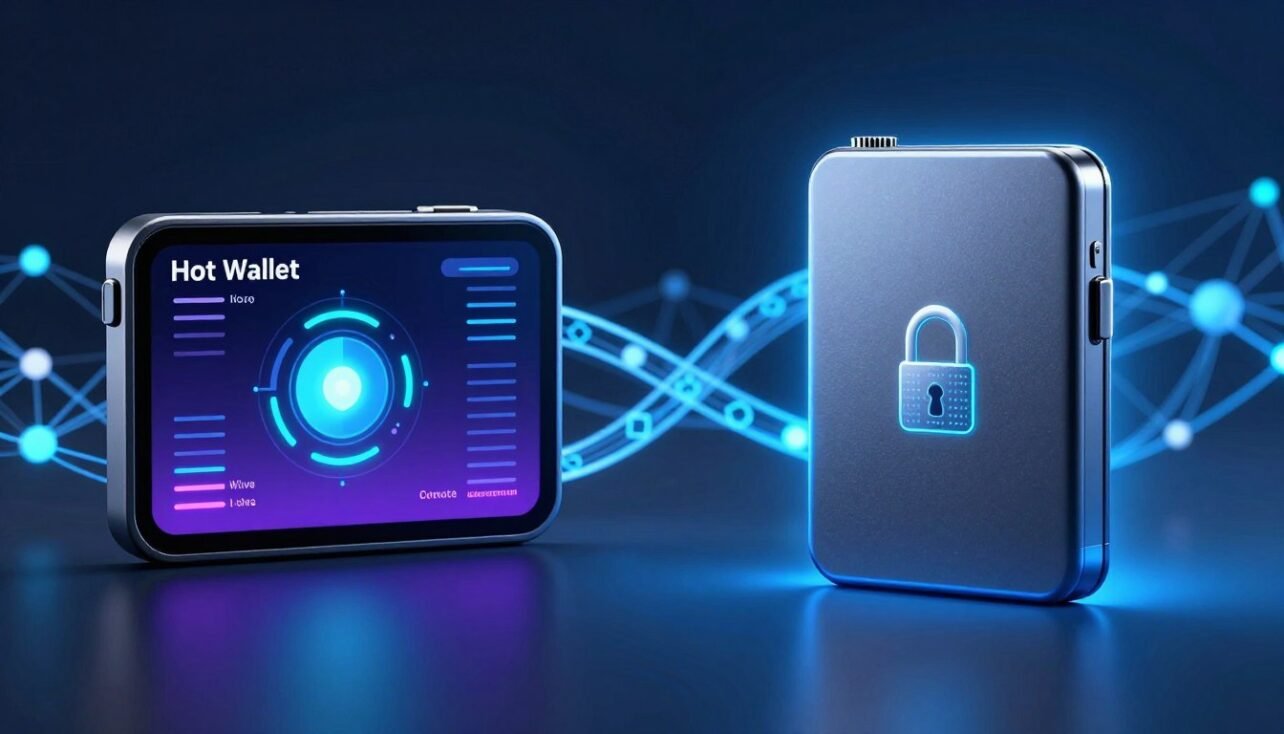
Storing your digital assets safely is a top priority. The tools you use for this task fall into two primary categories. One type stays connected to the internet. The other operates in an offline environment.
This fundamental split creates a classic trade-off. You must balance easy access for daily use with robust protection for long-term holdings. Your choice directly impacts how you manage your portfolio.
Understanding these storage solutions is crucial for anyone with cryptocurrency. The right selection guards your private keys and gives you peace of mind. It shapes your entire experience with digital finance.
This guide will explore both options in detail. You will learn their core features, strengths, and ideal use cases. We will help you decide which method—or mix of methods—fits your personal strategy.
Introduction to Crypto Wallets
Your journey into digital assets requires a secure place to keep your private keys—a crypto wallet. This software is your essential interface for managing digital wealth.
What Are Crypto Wallets?
Contrary to popular belief, these tools don’t hold coins inside them. Instead, they safeguard the unique codes that prove your ownership on the blockchain.
Every wallet has two critical components:
- Public Key: This acts like your account number. Others use it to send you funds.
- Private Key: This is your secret password. It authorizes outgoing transactions and must never be shared.
Without your private keys, you cannot access your assets. The wallet securely stores these codes after you buy or mine cryptocurrency.
The Importance of Wallet Security and Functionality
All wallets face a core design challenge. They must balance robust protection with ease of use for daily transactions.
Some prioritize security, requiring multiple steps to access funds. Others favor convenience for faster trades, which may involve different wallet options.
Understanding this trade-off helps users select the right storage solution for their needs. Various types exist to serve different strategies.
Understanding the Difference Between Hot and Cold Crypto Wallets
The two primary methods for safeguarding your digital wealth are defined by their connection status.
Defining Hot and Cold Wallets
Hot wallets are software applications connected to the web. They run on devices like phones or computers.
This setup allows for quick access to your funds. It’s perfect for making regular trades or purchases.
In contrast, cold wallets are physical devices or paper records. They operate in a completely offline environment.
This “air-gapped” state keeps private keys away from online dangers. It’s the gold standard for protecting large holdings.

Core Considerations for Wallet Selection
Choosing the right tool depends on your personal strategy. You must weigh several important factors.
Key points to evaluate include:
- Your required level of security
- How often you make transactions
- The total amount of crypto you own
- Your comfort with technology
For daily spending and active trading, a connected wallet offers superior convenience.
For long-term investors, offline cold storage provides unmatched protection. Many users wisely employ both.
They keep a small balance in a web-enabled wallet for ease. The bulk of their assets stays in a secure, offline vault.
Deep Dive into Hot Wallets
For those actively trading or making regular purchases with digital currency, having instant access is essential. These connected solutions provide the speed needed for today’s fast-moving markets.
Key Features and Use Cases
Hot wallets are software applications that keep your private keys on internet-connected devices. This allows for immediate management of your assets.
You can store, send, and receive tokens with a few clicks. Many apps consolidate multiple assets into one simple interface.
These tools excel for active trading and daily spending. Users keep smaller amounts here for convenience.
Popular options include:
- Mobile apps like Cake Wallet
- Desktop software such as Exodus
- Browser extensions including MetaMask
- Platforms integrated with major exchanges
Security Risks and Benefits
Being online creates exposure to potential threats. Malware or phishing attacks could target your connected device.
Reputable providers add layers like two-factor authentication. Still, the web connection presents a fundamental risk.
Most experts advise against storing large holdings in these wallets. Think of it like carrying spending cash, not your life savings.
The clear advantage is unmatched convenience. There’s no need to connect hardware or wait for transactions to process.
Exploring Cold Wallets for Secure Storage
The ultimate safeguard for cryptocurrency involves keeping private keys completely isolated from the internet. These tools are known as cold wallets, operating in a secure, “air-gapped” environment.
This offline status makes them immune to remote hacking, phishing, and malware. Accessing funds requires physical possession of the device and knowledge of its PIN or password.
Hardware and Paper Wallet Options
The most common form of cold storage is a hardware wallet. These are specialized physical devices, often resembling a USB stick.
Popular brands include Ledger, Trezor, and Passport. Quality hardware wallets typically cost between $60 and $200.
They maintain security even when plugged into a computer. Transactions are signed internally, so private keys never leave the device.
Paper and metal wallets are other offline options. Paper wallets are printed documents, while metal versions use engraved plates for durability.
To spend from these, you must first load the key into software. This makes them best for long-term storage, not daily use.
Enhanced Security Advantages
Cold wallets eliminate the entire category of online threats. Your assets are protected by a physical barrier.
High-end hardware wallets include secure element chips and tamper-evident packaging. These features make extracting keys virtually impossible.
For those seeking robust security, this offline approach is the gold standard. It forms the backbone of a prudent secure storage solution.
An alternative method uses a secondary phone dedicated solely as a cold wallet. You only power it on for transactions, then disconnect it.
Comparing Features: Convenience Versus Security
Every crypto holder faces a pivotal decision: prioritize speed for daily actions or impenetrable security for savings. This choice defines your experience with digital assets.
Transaction Speed and Accessibility
Hot wallets provide instant access. You can send funds in seconds from a mobile app. This is ideal for active trading or quick payments.
Using a cold wallet requires more steps. You must power on the device, unlock it, and connect it to sign. However, you can receive funds into cold storage anytime without the device.
Cost Implications and Setup Complexity
Most hot wallets are free to download and use. Their setup is simple, often taking just minutes.
Quality hardware wallets require an initial investment, typically $60 to $200. Their initialization process is more detailed, demanding careful attention to instructions.
Risk of Online Threats Versus Offline Safety
Hot wallets are connected to the internet. This exposes private keys to potential hacking, malware, and phishing attacks.
Cold wallets keep keys completely offline. They are immune to remote theft. The main risks are physical loss or damage, which proper backups can mitigate.
Choosing the Right Wallet for Your Needs
No single wallet fits all users; the right pick aligns with your specific crypto activities. Your decision should match how you manage digital wealth.
Assessing Personal Crypto Usage Patterns
Start by asking how often you make transactions. Are you an active trader or a long-term holder?
Hot wallets suit frequent buying and selling. They offer speed for market moves.
Cold wallets protect savings with robust security. They are ideal if you rarely spend.
The amount you hold matters. Larger assets deserve stronger storage solutions.
Balancing Risk, Cost, and Convenience
Many experienced users employ a mix of both types. This balances daily use with long-term safety.
A common setup includes three wallets:
- An exchange account for trading
- A mobile hot wallet for small purchases
- A hardware wallet for main savings
Check if a hardware wallet uses open-source software. This ensures independent security checks.
Review your needs as your portfolio grows. Your ideal type may change over time.
Conclusion
Navigating the world of digital finance demands a clear strategy for asset protection. Connected software solutions provide unmatched convenience for daily transactions. They allow quick access to your funds through mobile apps or web platforms.
Offline hardware devices offer superior security for long-term holdings. These tools keep your private keys isolated from online threats. This air-gapped environment is ideal for safeguarding substantial assets.
Most experienced users employ a combination of both storage types. They keep a small balance in a connected wallet for regular use. The majority of their portfolio remains in secure, offline storage.
Your choice should align with your personal needs and risk tolerance. As technology evolves, these solutions continue to improve. Remember, your private keys are the ultimate proof of ownership.
Always back up your recovery phrases in a safe location. For significant self-custody, hardware wallets have become the preferred standard. This balanced approach ensures your digital wealth remains both accessible and protected.
FAQ
What is a hot wallet?
A hot wallet is a crypto wallet that is connected to the internet. It’s like a checking account for your digital assets, designed for frequent access. These wallets include software on your computer, apps on your phone, and web-based services on exchanges. They offer great convenience for daily trading and transactions.
How does a cold wallet keep my cryptocurrency safe?
A cold wallet keeps your cryptocurrency safe by storing your private keys completely offline. Devices like a Ledger or Trezor hardware wallet are not connected to the web, making them immune to remote hacking attempts. This method, often called cold storage, gives you full ownership and control of your assets.
When should I use a hot wallet versus a cold wallet?
Use a hot wallet for smaller amounts you plan to trade or spend regularly, thanks to its quick access. A cold wallet is best for securing larger, long-term holdings. Most users employ both types: a hot option for active use and a cold device for the bulk of their savings.
Are my funds on an exchange considered in a hot wallet?
Yes, funds held on a cryptocurrency exchange are typically in the platform’s hot wallet. While convenient for trading, you do not control the private keys. For true security and ownership, transferring assets to a personal cold or hot wallet you control is recommended.
What are the main security risks of a hot wallet?
The main security risks come from its internet connection. Hot wallets can be vulnerable to malware, phishing attacks, and hacking on the exchange or your device. Their security depends heavily on your practices, like using strong passwords and two-factor authentication.
Can I make transactions directly from a hardware wallet?
Yes, you can authorize transactions directly from a hardware wallet. To do so, you temporarily connect the device to a computer or phone. You physically confirm the transaction on the device itself, keeping your private keys secure offline throughout the entire process.
What is a paper wallet and is it still a good option?
A paper wallet is a form of cold storage where your public and private keys are printed on paper. While very secure from online threats, they can be damaged or lost. Today, user-friendly hardware wallets are generally a more robust and convenient cold storage option for most people.

No comments yet