
Protecting your cryptocurrency investment is more critical than ever. The total market value for these digital assets has surged past $3 trillion.
This growth demands robust security solutions. A hardware wallet provides one of the safest methods for storing your crypto.
These physical devices keep your private keys in a completely offline environment. This cold storage shields them from online hackers and malware.
Our comprehensive guide explains the entire process. You will learn the fundamental differences between this hardware and software-based options.
We cover everything from initial setup to daily transaction management. This makes the process accessible for beginners.
Experienced users will also find valuable insights for enhancing their security practices. You will gain the confidence to manage your own digital assets.
Taking control with a self-custodial solution puts you in charge. This is the ultimate protection for your cryptocurrency holdings.
Introduction to Hardware Wallets
The core advantage of physical crypto storage devices lies in their complete isolation from internet vulnerabilities. These specialized tools are designed for one primary purpose: safeguarding your digital wealth.
What Sets Hardware Wallets Apart
Unlike common software options like Metamask or Rabby, a hardware wallet operates offline. These physical devices generate and hold your private keys in a sealed environment.
This separation is fundamental. Hot wallets remain connected, exposing crypto assets to constant risk. Your secret keys never touch an online device.
Understanding the Importance of Offline Storage
The need for this security is urgent. Cryptocurrency theft reached $1.38 billion in the first half of 2024. That figure nearly doubled from the previous year.
Offline storage, or cold storage, creates an air-gapped shield. Remote hackers and phishing attacks cannot penetrate it. You maintain direct access and full control.
This self-custodial approach eliminates third-party risk. It is the definitive method for protecting significant crypto holdings. Choosing the right wallet type depends on your personal risk tolerance.
Understanding What a Hardware Wallet Is
The architecture of a hardware wallet centers on a secure element chip, similar to technology in your passport. This creates an impenetrable environment for your private keys. It is a dedicated physical device for managing digital asset ownership.
Key Components and Security Features
At its heart lies a secure element. This specialized chip carries an EAL6+ certification, resisting physical attacks. Your private keys are generated and stored inside this vault.
A proprietary operating system runs on this hardware. It is built solely for cryptographic tasks. The system ensures secret keys never leave the device’s isolated environment.
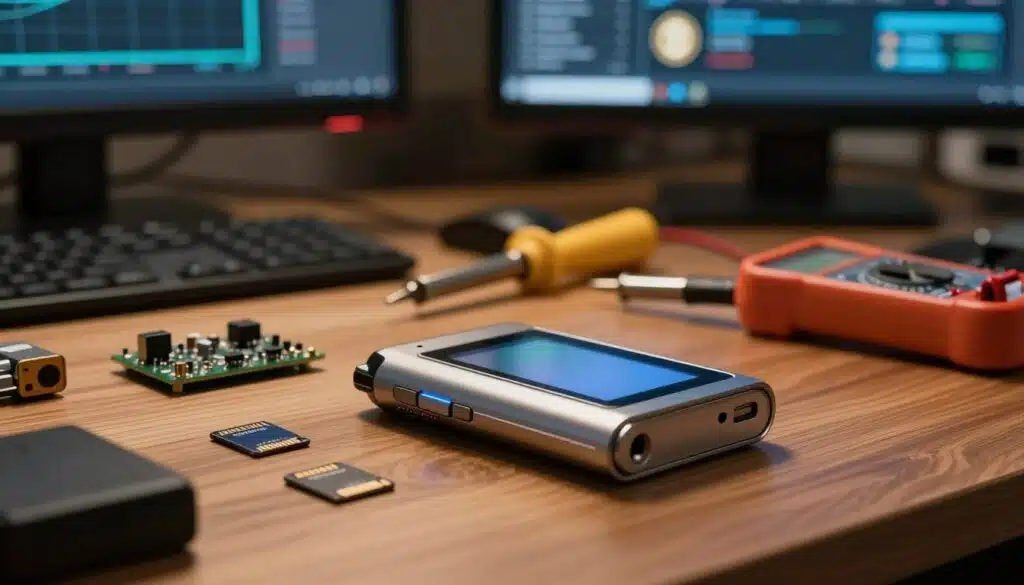
Users interact with buttons and a small screen. This interface requires physical confirmation for every action. Layers like PIN codes and optional passphrases add further protection.
Differences Compared to Software and Cold Wallets
A software wallet runs on a general-purpose computer or phone. These are constantly online and vulnerable. In contrast, a hardware wallet operates offline, creating a fundamental security gap.
The distinction from other cold storage methods is also key. A paper wallet is truly cold but inflexible. Modern hardware wallets use a companion app to sign transactions while the device stays offline.
Remember, these crypto wallets do not hold coins. They secure the private key that proves ownership on the blockchain. Your actual assets always reside on the digital ledger.
Setting Up Your New Hardware Wallet
Your journey to ultimate crypto security begins the moment you receive your new hardware wallet. This initial process establishes an impenetrable foundation for your assets.
Unboxing, Initial Setup, and Device Verification
First, inspect the packaging for any signs of tampering. Verify all holographic seals are intact. This confirms you have a genuine, uncompromised device.
Connect the wallet to power or your computer via USB. Select your language from the on-screen menu. Next, create a strong PIN code.
Avoid obvious number patterns like birthdays or sequences. This PIN is your first defense against unauthorized physical access.
Creating and Securing Your Recovery Phrase
The device will then generate your recovery phrase. This sequence of 12-24 random words is your wallet’s master backup.
Treat this seed phrase with extreme caution. Anyone who obtains it gains complete control over your funds.
Follow these critical steps when documenting it:
- Write each word in exact order on paper.
- Double-check the spelling and sequence carefully.
- Never store this information digitally—no photos, emails, or cloud notes.
- Keep the written phrase in a secure location, separate from the device itself.
The setup concludes with a verification step. The device will ask you to select specific words from your list. This ensures you recorded the seed phrase accurately before any funds are transferred.
Always purchase your genuine hardware wallet directly from the manufacturer or an authorized reseller.
how to use hardware wallet step by step
A companion app acts as the crucial bridge, allowing your isolated hardware to interact with the online world safely. This software enables your physical device to connect with blockchain networks while its keys remain offline.
Your configuration continues after the initial PIN and recovery phrase setup.
Detailed Step-by-Step Configuration Process
First, download the official companion application. Always get it from the manufacturer’s verified website or official app stores. Third-party software poses a significant security risk.
Connection methods differ by model. Traditional devices often use a USB cable. Next-generation options like Tangem employ NFC technology. You simply tap the card against your smartphone.
The pairing process verifies your device’s authenticity. Follow the in-app prompts to establish a secure link. Modern wallets complete this setup in just 1-3 minutes.
Using the Companion App for Transactions
This application serves as your management dashboard. It displays balances, transaction history, and all your deposit addresses. The interface organizes supported crypto assets clearly.
You can initiate sends and receives directly from the app. The critical security step happens on the physical device itself. It must approve every transaction while staying offline.
Take time to explore the app’s features before moving significant funds. Understand how the wallet and software work together. This knowledge is key to confident, secure asset management.
Managing Transactions Securely
The true power of cold storage becomes evident during the transaction approval phase. This is where your hardware wallet actively protects your crypto assets.
Sending and Receiving Crypto with Confidence
Receiving crypto is straightforward. Your companion app generates a unique deposit address. Always double-check this address on your device‘s screen. A single wrong character means lost funds.
Sending requires more attention. You enter the recipient’s address and amount in the app. You must also review network fees. These fees vary with blockchain congestion.
Higher fees speed up processing. This step is crucial when you transfer crypto from an exchange to your secure wallet.
Verifying Transaction Details On-Device
The critical security step happens next. Your hardware wallet displays the full transaction details. You must physically verify the recipient address and amount.
This on-screen check is a powerful two-factor authentication. It stops malware that tries to swap addresses on your computer. You see the real data and can reject fraudulent transactions.
Approval triggers the offline signing. The device uses its secure chip and your private key. It never connects to the internet. The signed transaction is sent back to the app for blockchain broadcast.
After broadcasting, monitor the transaction status. Watch for network confirmations. Most transactions need 1-6 confirmations before funds are fully settled.
Maintaining Security and Best Practices
Long-term protection of your digital assets requires consistent security habits beyond the initial setup. A proactive approach ensures your hardware wallet remains a formidable shield against evolving threats.
Treat your device’s security as an ongoing responsibility. This involves both digital upkeep and physical safeguarding.
Regular Firmware Updates and Device Maintenance
Manufacturers release firmware updates to patch vulnerabilities and add features. Install these promptly through the official companion software.
The process typically requires connecting your device, entering your PIN, and confirming the update on its screen. This prevents unauthorized modifications.
Set a monthly reminder to check for new releases. Updated firmware closes potential security gaps hackers might exploit.
Tips for Physical and Digital Backup
Your recovery phrase is the master key. Its protection is paramount. Never store this information digitally—no photos, cloud files, or text documents.
Consider these essential backup strategies:
- Use a metal backup plate for fire and water resistance.
- Store the written phrase in a secure, offline location separate from the wallet.
- Keep your hardware device itself in a locked safe or drawer.
- Ensure any linked computer has updated antivirus software.
Always verify website URLs to avoid phishing scams. Enable auto-lock features on your device for added security. A strong PIN remains your first line of defense.
Comparing Hardware Wallets with Other Storage Options
The landscape of cryptocurrency storage presents a clear hierarchy of risk and control. Users must evaluate their options based on security needs and convenience.
Software wallets and exchange accounts operate online. This exposes private keys to persistent threats.
Evaluating Risks of Software Wallets and Exchanges
Internet-connected software faces eight major vulnerability categories. These include hacking attacks, phishing scams, and social engineering.
Malware can intercept keys or hijack clipboard data. Such risks are inherent to hot storage solutions.
Centralized exchanges present a different danger. They hold customer funds in pooled wallets.
Users do not control their private keys on these platforms. The “not your keys, not your crypto” principle applies directly here.
If an exchange is hacked or shuts down, assets can be lost entirely. This custodial model requires blind trust.
Hardware wallets eliminate these online attack vectors. They keep keys in isolated, offline hardware.
This provides fundamentally superior security for substantial holdings. The optimal way often combines both methods.
Choosing the Right Hardware Wallet for Your Needs
With numerous models available, identifying the right hardware wallet involves balancing security with usability. Your decision should be guided by seven critical factors.
These elements ensure your chosen device meets your specific requirements for protecting digital assets.
Factors to Consider – Security, Usability, and Support
Security features form the foundation. Look for two-factor authentication and multi-signature support. A secure recovery phrase is essential for backup.
Interface design affects the user experience. Beginners need intuitive apps and quick setup. Advanced users may prefer detailed controls.
Code transparency matters. Open-source software allows community audits. Alternatively, professionally audited closed-source code is acceptable.
Verify supported currencies before purchase. Some devices handle only major coins like Bitcoin. Others support thousands of tokens.
Platform compatibility is crucial. Check if the wallet connects to your preferred exchange. Integration with dApps and DEXs adds flexibility.
Research the manufacturer’s reputation. Established companies with clean security records inspire confidence. Read customer reviews carefully.
Additional practical aspects include form factor and connection method. Consider price, warranty, and customer support availability. For a detailed comparison of top models, explore this guide on the best wallet for cryptocurrency.
Exploring Advanced Features and Future Innovations
From wearable rings to military-grade durability, the future of crypto security is here. Modern hardware wallets have evolved into complete management platforms.
They handle thousands of digital assets across many networks. This transforms a simple storage device into a powerful financial tool.
Multi-Currency Support and Blockchain Compatibility
Leading wallets now support over 13,000 different cryptocurrency tokens. You can manage Bitcoin, Ethereum, and countless altcoins on one device.
This multi-blockchain compatibility is a game-changer. It eliminates the need for several specialized wallets.
The companion app provides a unified dashboard. Users can store, swap, stake, and buy crypto directly.
Integrated features also allow secure interaction with dApps and NFT marketplaces. Your private keys stay offline during all transactions.
Emerging Trends in Hardware Wallet Technology
Form factors are expanding beyond traditional USB sticks. Card-based wallets offer incredible portability.
The Tangem Ring is a wearable hardware wallet made from durable ceramic. You can wear it daily like jewelry.
Durability engineering has reached new heights. Modern devices boast impressive specifications:
- IP69K certification for maximum dust and water resistance.
- Operation from -25°C to +50°C temperature ranges.
- Protection against EMP, ESD, and X-ray exposure.
- Battery-free NFC technology for indefinite lifespan.
Future innovations point toward biometric authentication and quantum-resistant algorithms. These advancements will further secure your cryptocurrency assets.
Conclusion
Taking full control of your cryptocurrency marks a critical step toward financial sovereignty. This comprehensive guide detailed the proven way for securing digital assets.
Hardware wallets offer the gold standard for crypto security. These physical devices keep private keys offline, blocking hackers. Your crypto assets remain under your sole authority.
While requiring an initial investment, the benefits are immense. Following the recommended practices ensures your funds are safe. You gain confidence and peace of mind for the long term.
This journey transforms casual holders into serious investors. Your digital wealth stays protected through self-custodial control with a reliable wallet.
FAQ
What is the main security advantage of a hardware wallet?
The primary security benefit is that it keeps your private keys completely offline. This means your sensitive data is never exposed to an internet-connected computer or phone, shielding your crypto assets from remote hacking attempts.
How do I recover my funds if I lose my device?
You can restore access using your recovery seed phrase. This unique set of words, generated during your initial setup, is your ultimate backup. By entering this phrase into a new compatible device, you regain control of your account and digital assets.
Is it complicated to send cryptocurrency from a hardware wallet?
The process is straightforward. You initiate a transaction in the companion software app on your computer or smartphone. The transaction details are then sent to your physical device for verification. You must physically approve it on the wallet’s screen, often by entering your PIN, before it is broadcast to the blockchain.
Why do I need to update the firmware on my device?
Regular firmware updates are crucial for security and functionality. They patch potential vulnerabilities, add support for new cryptocurrencies, and introduce improved features. Always download updates directly from the manufacturer’s official website.
Can a hardware wallet be hacked if connected to a compromised computer?
The design makes this extremely difficult. Even if your computer has malware, the private keys never leave the secure element chip inside the wallet. The device only signs transactions internally, so malicious software cannot steal your funds.
What happens if I forget my PIN code?
If you enter an incorrect PIN too many times, the device will typically wipe itself to protect against unauthorized access. This is a security feature. You can then restore your crypto wallet using your original recovery phrase on a new or reset device.
Are hardware wallets better than keeping crypto on an exchange?
Yes, for long-term storage. When you hold assets on an exchange, you do not control the private keys. A hardware wallet gives you true ownership. It eliminates the risk of the exchange being hacked, going bankrupt, or freezing your account.
Do all hardware wallets support the same cryptocurrencies?
No, support varies by brand and model. Some devices, like those from Ledger or Trezor, support thousands of different digital assets and tokens. Always check the manufacturer’s official list for blockchain compatibility before purchasing to ensure it meets your needs.

No comments yet