
The promise of digital currency is freedom. Bitcoin and other crypto assets know no borders. Yet, the apps and exchanges where people acquire them often do.
This creates a significant hurdle for a global audience. Complex rules and banking partnerships limit access. These geographic restrictions affect billions around the world.
Over sixty nations have tight rules on purchasing platforms. This impacts nearly two billion potential users. The barriers are not random. They stem from local laws and business choices.
Understanding this landscape is the first step. This guide outlines safe, practical paths forward. We will explore various methods to gain access while prioritizing security.
You can learn about investing in cryptocurrencies safely as a core principle. Options include peer-to-peer networks, specific tools, and alternative payment rails. Knowledge empowers your participation in the digital economy.
Understanding the Landscape of Crypto Restrictions
Local laws and banking partnerships shape the availability of cryptocurrency services. These regulations form a complex global patchwork. Over sixty countries enforce significant limits on trading platforms.
Global Regulatory Overview
Government policies create stark differences in access. New York’s BitLicense demands are so stringent many exchange services avoid the state. China’s comprehensive ban forces global platforms to block its IP addresses.
Banking relationships are equally crucial. Without local partners, platforms cannot process traditional currency transactions. This financial gatekeeping adds another layer of restrictions.

Impact on Cryptocurrency Users
These barriers directly affect users. People face fewer options and often higher costs. Acquiring digital assets becomes a complex puzzle.
Rules vary widely. The European Union and Singapore offer clear frameworks for access. Other nations maintain ambiguous or hostile positions. This uneven landscape challenges both individual participation and broader crypto adoption.
Regulatory Challenges and Geographic Limitations
A complex web of detection techniques enforces regional blocks. Platforms track your IP address for an approximate location. Payment method verification acts as a secondary layer. Credit cards and bank accounts reveal true geographic details.
Know Your Customer rules present a major hurdle. These regulations mandate government-issued identification. It becomes very difficult to misrepresent your country of residence. This system tightly controls access to crypto services.

Business decisions also limit availability. Companies often avoid countries where compliance costs outweigh profits. High-risk or small markets are frequently excluded. This adds a commercial layer to legal restrictions.
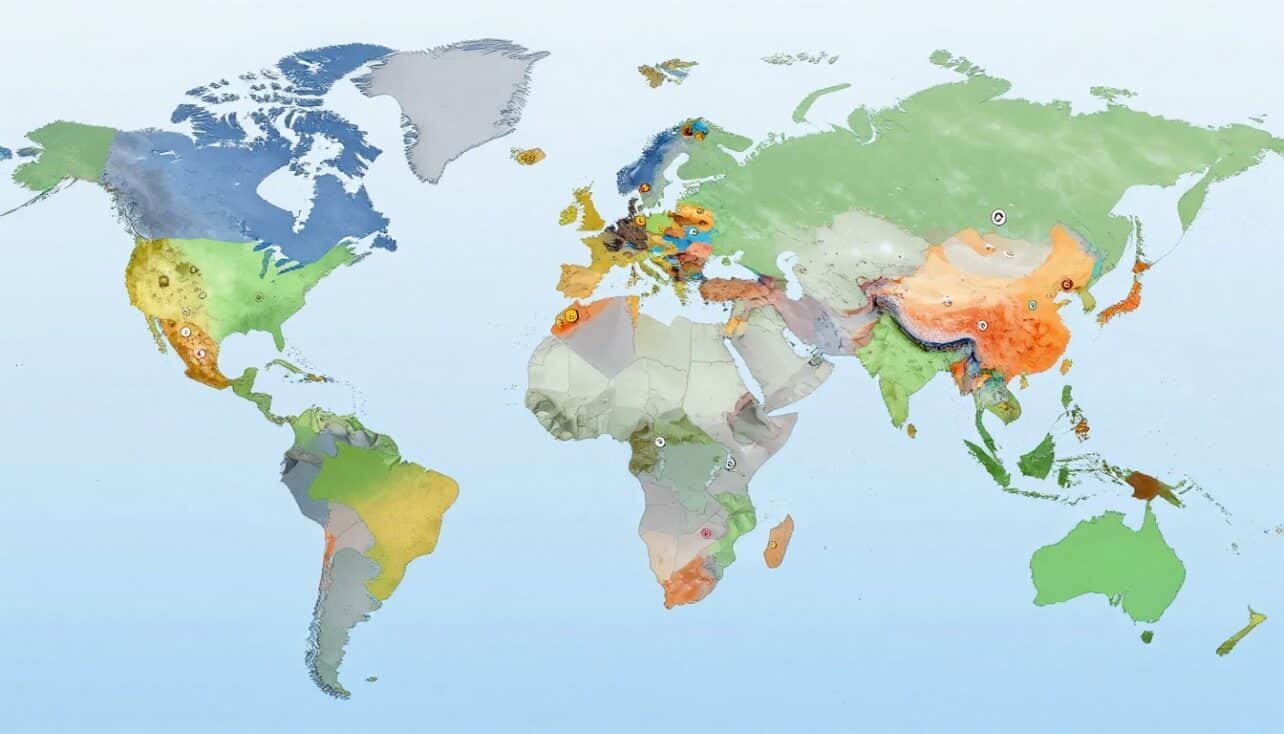
The global accessibility map is uneven. Nations like Switzerland and Canada have favorable rules. The united states shows moderate, but varied, state-by-state regulations.
Other regions face severe barriers. Government policies in China, Russia, and India create substantial blocks. These geographic limitations define the modern landscape. They make standard acquisition paths unreliable for many users worldwide.
How to Buy Crypto in Restricted Countries: A Comprehensive Guide
Legal avenues for cryptocurrency acquisition exist, even where traditional exchanges are blocked. The approach centers on understanding local compliance requirements. Selecting methods that operate within established frameworks is crucial for long-term access.
Compliance and Legal Considerations
Your first step is researching specific regional regulations. This knowledge determines which platforms and methods are explicitly permitted. Operating within these boundaries prevents account closures and potential legal issues.
Several legitimate options provide market access. Peer-to-peer networks and Bitcoin ATMs are common examples. Each system carries distinct compliance requirements and accessibility levels.
Some exchanges mandate full identity verification. Others enable more private transactions. Understanding these differences helps you choose a suitable platform.
Compliance protects users from penalties. It also ensures sustainable participation in digital asset trading. This guide explores each viable option in detail.
Utilizing VPNs for Overcoming Regional Barriers
Virtual Private Networks offer a technical solution for users facing geographic blocks on cryptocurrency platforms. This software encrypts your internet traffic and routes it through a remote server.
It assigns a virtual IP address, masking your real one. This makes it appear you are accessing from a different location.
How VPN Conceals Your True Location
A VPN uses secure AES-256 encryption to ensure privacy. Your data travels through a tunnel to a server in a permitted region, like Singapore or Japan.
The trading platform then sees that server’s IP address. This can bypass basic IP-based restrictions.
A significant limitation exists. While a VPN masks your IP, payment verification often reveals your true location. This method only works for initial access, not for final transactions.
Legal Implications of VPN Usage in Crypto
Using VPN to circumvent rules carries risks. Many financial services expressly forbid this practice in their terms.
Violations can lead to account suspension or frozen funds. In some jurisdictions, the use VPN itself is restricted or illegal.
Despite this, a VPN provides security benefits. It protects your data on public WiFi and adds a layer of anonymity. Understand the legal and practical limits before relying on it for crypto trading.
Exploring Alternative Payment Methods and Innovations
When traditional banking channels fail, alternative payment avenues provide a crucial bridge to digital asset markets. These payment methods complement other access strategies by offering flexibility.
Gift card exchanges are increasingly popular. Users purchase widely available retail gift cards locally. They then exchange them for digital currencies on specific platforms.
Prepaid cards offer another flexible payment method. They do not directly link to local bank accounts. This helps avoid revealing a restricted location during a transaction.
E-payment systems and digital wallets can operate across borders. These payment solutions work where direct bank transfers face problems. They support multiple fiat currencies.
These options involve trade-offs. Expect potentially higher fees and more steps than a standard bank transfer. Cash-based methods like gift cards are useful where banking access is limited.
Innovative payment solutions continue to emerge. They diversify the ways value enters the crypto ecosystem, enabling broader participation.
Leveraging Peer-to-Peer (P2P) Exchanges
Trading volumes on P2P networks highlight their critical role in restricted markets. Weekly activity often surpasses $50 million in these areas.
These platforms function as decentralized marketplaces. They connect buyers and sellers directly for crypto trading.
Benefits of Escrow Services in P2P Trading
Escrow is a core safety feature for users. The platform holds the digital assets until payment confirms.
This system protects both parties from fraud. It also provides a formal framework for dispute resolution. Understanding these protections is part of smart P2P cryptocurrency exchange compliance.
User Tips for Safe Peer-to-Peer Transactions
Always check a seller’s rating and transaction history before dealing. Starting with a small test amount is a wise practice.
Use exchanges with strong customer support for mediation. Experienced traders often build relationships with trusted counterparts over time.
This method offers unmatched access where other platforms fail.
Accessing Bitcoin ATMs and In-Person Options
Physical kiosks allow users to exchange cash for digital assets directly, bypassing online barriers. These machines provide a vital on-ramp where mobile apps and web platforms are blocked.
Their geographic distribution is uneven. More ATMs exist in nations where online crypto access is already straightforward.
Navigating ATM Fees and Limits
Verification requirements change by operator and country. Purchases under $500 often need minimal identification. Larger transactions demand official ID.
Operators charge significant fees, typically 7-12% above market rates. This premium is a major cost consideration.
Most machines impose daily transaction limits. Users seeking larger amounts may need multiple visits.
The process is straightforward. Select your currencies, provide a wallet address, insert money, and confirm. The assets arrive in minutes.
Beyond ATMs, local crypto communities thrive on messaging apps. Telegram and WhatsApp groups arrange face-to-face trades in restricted regions.
Use these tips to find the best options:
- Consult online ATM directories for your area.
- Compare operator fees and limits before visiting.
- Understand the verification levels required for your purchase amount.
- Start with a small test transaction using cash.
Mobile Applications Versus Web Platforms
Your smartphone’s app store can be a gatekeeper, blocking entry to popular trading platforms. This creates a significant divide between mobile app access and direct web platform use for digital asset services.
App Store Restriction Challenges
Major distribution channels like the Apple App Store and Google Play enforce strict rules. They often remove crypto apps entirely from storefronts in specific nations.
This policy forces platforms to comply, leaving users in restricted regions without official mobile app downloads. The control is centralized and difficult to bypass.
Advantages of Direct Web Access
Web platforms operate outside app store policies. Many exchange services maintain fully functional browser-based versions with lighter geographic checks.
Progressive Web Apps (PWAs) offer a powerful solution. Users can install them directly from a website, creating an app-like experience with a home screen icon.
This method bypasses store restrictions entirely. It provides notifications and offline functionality without a store download.
Practical steps for maintaining access include:
- Bookmarking the direct web address of your preferred exchange.
- Avoiding app store searches for crypto tools in restricted areas.
- Utilizing the “Add to Home Screen” feature for PWA installation.
The trade-off is clear. Mobile apps offer convenience, but web platform access is superior where restrictions exist. This knowledge ensures continuous access to vital services.
Security and Practical Considerations for Crypto Transactions
Implementing strong safeguards is non-negotiable for anyone engaging with digital currencies through non-traditional means. These alternative pathways can introduce unique vulnerabilities. Security considerations must be your top priority.
Approximately 60% of bitcoin’s value moves in cross-border transactions. This global flow demands universally sound practices to protect your assets.
Implementing Two-Factor Authentication
Two-factor authentication (2FA) adds a vital second layer to your crypto accounts. It requires both your password and a temporary code from an app. This simple step blocks most unauthorized access attempts.
Isolate your financial data by using a dedicated email for all crypto activities. This practice limits exposure if another online account is compromised.
For true asset control, a self-custody wallet is essential. It operates independently of any platform’s restrictions. A hardware wallet provides offline storage for significant holdings, shielding them from online threats.
Always verify the destination address before confirming any transactions. Sending digital assets is irreversible. A single typo can lead to permanent loss.
Additional security measures include timing transactions during low network congestion and sending a small test amount first. Always maintain secure backups of your wallet recovery phrase.
Overcoming Banking and KYC Obstacles
Financial identity verification stands as a primary gatekeeper to regulated cryptocurrency markets. KYC requirements demand official documents like a passport or driver’s license. Proof of address and country of residence are also standard.
This process creates a significant hurdle. Most regulated exchange platforms now mandate full verification before allowing large transactions or withdrawals.
A major tension exists between KYC rules and geographic blocks. Users might create an account but cannot complete verification from a restricted location.
Local banking obstacles often accompany these limits. Banks in many countries refuse to process transactions linked to crypto services. This dual barrier forces adaptation.
Most users in heavily restricted regions now utilize alternative payment methods. They avoid direct bank transfers that reveal their location. Understanding which exchanges have flexible policies on international ID is a key strategy.
The regulatory push for KYC stems from anti-money laundering compliance. Global pressure on crypto platforms to implement traditional financial controls is increasing.
Setting Up a Crypto Account Step-by-Step
Account setup is your gateway to participating in the global cryptocurrency market. The first move is research. You must identify which trading platforms accept users from your specific jurisdiction.
Review the terms of service for any geographic restrictions before you begin. This saves time and prevents frustration later.
Initial Registration Requirements
Start by providing a valid email address. Create a strong, unique password for your new account. You will need to accept the platform’s terms of service.
These terms outline the rules for your region. Understanding them is crucial for maintaining access.
The Verification Process Explained
Most exchanges require KYC verification to unlock full features. This process involves submitting official documents.
You typically need a government-issued photo ID and proof of residence. Some platforms also request a selfie for identity confirmation.
Approval times range from minutes to several days. Many services offer tiered account levels.
Basic tiers allow limited transactions. Full verification grants higher limits and more tools.
Users in restricted regions may face document challenges. Have your papers ready and take clear photos for uploads.
If verification is rejected, check the appeal process. Consider trying a different exchange with other policies.
Maintaining multiple accounts across different platforms can increase your access options.
Minimizing Fees and Optimizing Transaction Timing
Costs can quickly erode your investment returns, making optimization a top priority for cryptocurrency traders. This is especially true when using alternative access methods that often carry higher premiums.
Several charge types impact your total spend. These include platform trading fees, network transaction costs, and payment processing charges. Withdrawal fees also add to the expense.
Cost-Efficient Trading Strategies
Timing your crypto activities strategically saves money. Network congestion causes cost surges during peak usage times. Executing trades during quieter periods reduces expenses.
The Lightning Network offers a cost-effective alternative for smaller, frequent transfers. It operates as a second-layer solution with dramatically lower costs for bitcoin transactions.
Network charges for cryptocurrencies do not depend on distance. This makes international transfers economically viable regardless of location.
Use limit orders instead of market orders for better price control. Choose platforms with competitive fee structures. Consolidating transactions reduces frequency and overall costs, preserving your money.
Calculate the total acquisition cost across methods. Compare P2P premiums, ATM charges, and exchange fees to find the most economical option over time.
User Experiences and Platform Comparisons
Real-world testimonials from users in restricted regions provide invaluable insights into which methods actually work. These stories form a living knowledge base for the entire community.
Real-World Success Stories
Many users share their journeys online. A trader in a blocked nation might detail their success with a specific P2P exchange. Another person could explain how gift cards provided their first access to digital assets.
These narratives highlight that no single solution fits all. Individual success depends on local rules, technical skill, and transaction needs. Learning from these accounts prevents costly mistakes.
Comparing different platforms is a critical step. Users evaluate service accessibility, fee structures, and security features. They also consider payment method support and customer service quality.
Resources like Cryptocompare’s Exchange Benchmark offer valuable data. They track which services operate in various jurisdictions. This helps users identify viable platforms quickly.
Community forums and social media groups are essential. Here, users exchange real-time information on what works. This collective intelligence adapts as regulations change.
Trading digital assets requires ongoing research. Platform availability shifts with new laws and business decisions. Engaging with the cryptocurrency community provides the latest insights.
Experienced users emphasize learning from shared experience. This approach is safer than personal trial-and-error. It leads to more reliable access to cryptocurrencies and sustainable trading.
Conclusion
Access to global financial systems is no longer bound by traditional borders. Cryptocurrency represents a truly borderless technology. Yet, the services for acquiring these digital currencies often face geographic restrictions.
Multiple viable pathways exist for users in any country. Peer-to-peer exchanges, Bitcoin ATMs, and alternative payment methods provide practical options. Once assets are in a non-custodial wallet, you participate in a uniform global system.
The global crypto community constantly innovates to overcome barriers. Always prioritize legal compliance and strong security for your activities. Staying informed about evolving regulations is crucial for safe transactions.
Remember tax obligations and maintain records for your activities. Despite current hurdles, cryptocurrency offers a powerful option for managing money across the world.
FAQ
What are the main reasons governments restrict cryptocurrency trading?
Governments often impose restrictions to control capital flow, prevent money laundering, and protect consumers from market volatility. These regulations can limit access to major exchanges for residents in certain regions.
Can using a VPN help me access a cryptocurrency exchange from a blocked country?
Yes, a Virtual Private Network (VPN) can mask your IP address, making it appear you are connecting from a different location. This can allow access to platforms like Binance or Coinbase. However, this may violate the exchange’s Terms of Service and local laws.
Are there legal risks associated with using a VPN for digital asset transactions?
Absolutely. While the VPN technology itself is legal in many places, using it to circumvent financial regulations or exchange rules can lead to account suspension, frozen funds, or legal penalties from your local authorities.
What is a P2P exchange, and how does it work in regulated regions?
Peer-to-peer platforms, such as LocalBitcoins or Paxful, connect buyers and sellers directly. They often support diverse payment methods, including bank transfers or gift cards, and use escrow services to secure the funds until the transaction is confirmed by both parties.
How do Bitcoin ATMs function, and are they available in restricted areas?
Bitcoin ATMs are physical kiosks that allow you to purchase digital currencies with cash or a debit card. Their availability varies widely; some operators comply with local KYC rules, while others in less regulated areas might offer more anonymous transactions, often with higher fees.
Why is two-factor authentication (2FA) critical for my wallet and exchange account?
Implementing 2FA adds a vital extra layer of security beyond your password. Even if your login details are compromised, a hacker would need access to your mobile device or authenticator app, significantly protecting your assets from unauthorized access.
What are the common KYC hurdles, and how can I prepare for them?
Know Your Customer (KYC) verification typically requires a government ID and proof of address. In restricted jurisdictions, providing this information to an international platform can be complex. Preparing clear, valid documents is essential for a smooth account setup process.
How can I minimize transaction fees when trading digital assets?
To optimize costs, compare fee structures across different platforms. Some exchanges offer lower fees for using their native token or for high-volume trading. Also, be mindful of network fees for blockchain transactions, which can be lower during off-peak times.

No comments yet