
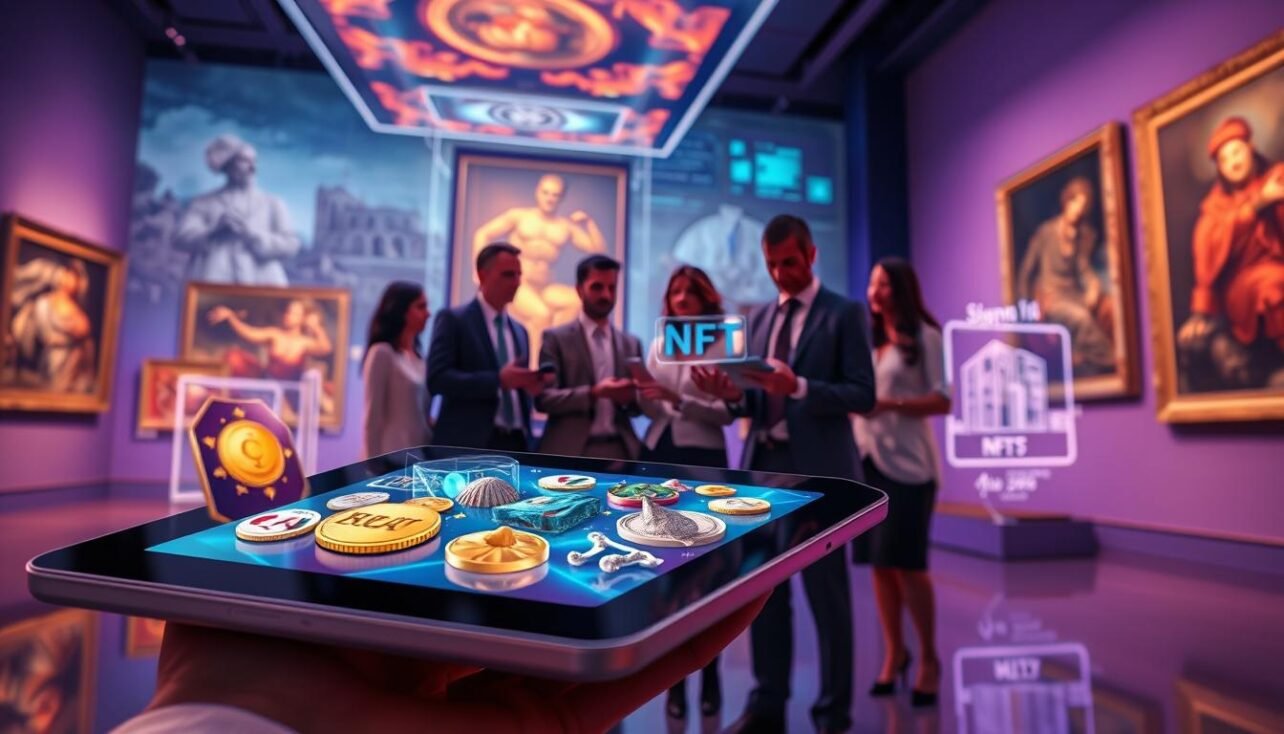
Imagine owning a piece of a famous masterpiece. This is now possible through a revolutionary shift in how we buy and sell creative works.
This process turns physical and digital artworks into secure blockchain-based digital tokens. Each token represents a share of the asset, allowing easy trading and fractional ownership.
The fractional art market was valued at $1.8 billion in 2024 and is growing fast. This growth is making high-value assets more accessible to a wider range of investors.
Think of Van Gogh’s “Sunflowers.” It can hang in a museum while a secure digital representation exists on a blockchain. Many people can own a verified piece of it.
By 2026, this technology is set to reshape finance. It opens doors for more people to invest in items that were once out of reach. The art world is becoming more inclusive and liquid for everyone.
Understanding Tokenization and Its Impact on Art
A new method for owning and trading creative works is changing how we interact with valuable assets. This system turns exclusive paintings and sculptures into divisible digital shares.
Defining Tokenization in the Art World
In simple terms, it is the process of converting ownership rights into a digital token on a blockchain. This creates a secure digital representation of the physical piece.
The key steps involved are straightforward:
- Establishing a legal entity for the artwork.
- Generating digital tokens to represent ownership shares.
- Programming smart contracts to automate rules and sales.
- Enabling secondary trading on dedicated platforms.
Benefits of Digital Representation and Transparency
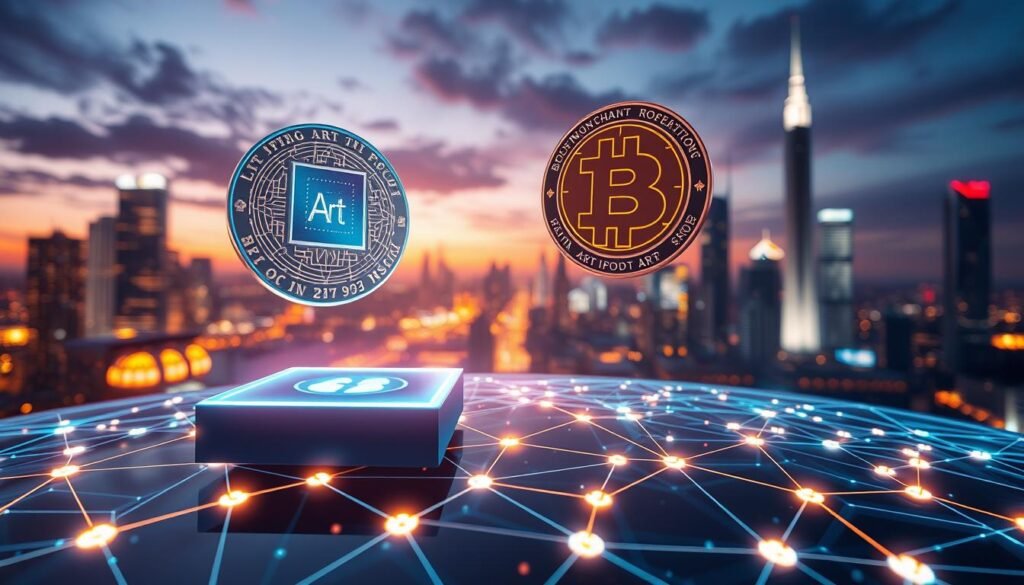
The core advantage lies in the blockchain itself. It acts as a public, unchangeable ledger that records every transaction.
This transparency makes ownership history clear and verifiable. It significantly reduces the risk of fraud common in traditional markets.
Trust grows when collectors can audit a work’s complete provenance. Unlike cryptocurrencies, these tokens derive value directly from the underlying masterpiece.
This shift moves the market away from opaque paper certificates. It creates a more efficient and accessible environment for all participants.
The Evolution of the Art Market in the Digital Age
A seismic shift is reshaping how collectors and artists engage with the creative economy. After a period of rapid expansion that peaked around 2021, the industry is finding a new equilibrium.
Auction sales and average prices are stabilizing. This signals a mature phase where quality and meaning are prioritized.
Shifts from Traditional to Digital Art Platforms
The move from exclusive galleries to open digital markets is accelerating. Blockchain technology powers this change, enabling new forms of creation and trade.
Digital art and NFTs provide artists with direct global reach. They also give collectors novel ways to acquire and showcase works.
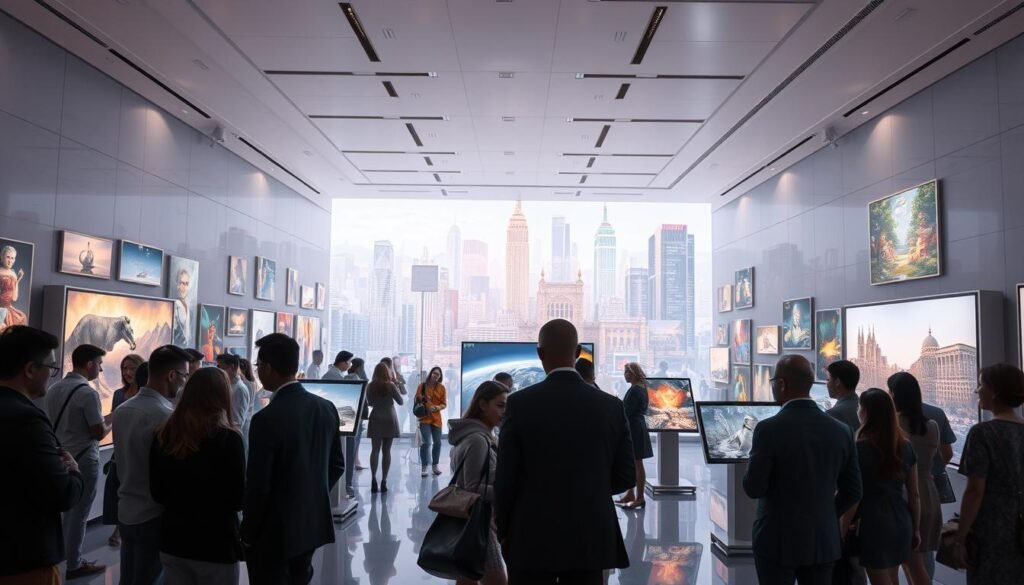
These platforms reduce intermediary costs and foster a more dynamic environment. This trend is making the entire sector more accessible.
Changing Buyer and Seller Dynamics
Buyer demographics are broadening significantly. A new wave of investors values transparency and the chance to own fractional shares of high-value assets.
They are drawn to works with social or political resonance. This reflects a desire for investment with deeper meaning.
On the other side, sellers are adapting swiftly. Artists and galleries use digital tools to connect directly with a worldwide audience on platforms dedicated to NFTs for art.
This transition period blends old and new systems. Tokenization acts as a bridge, creating a more inclusive and liquid creative world.
tokenization of art explained 2026: Radical Innovation in Art Ownership
Forget lengthy paperwork and exclusive auctions. The future of art possession is automated, divisible, and borderless.
Smart Contracts and Blockchain Integration
Smart contracts are self-executing computer programs on a blockchain. They govern digital tokens and automate critical rules.
These contracts handle royalty payments to artists and dividend distribution to holders. They also enforce ownership rights automatically.
This technology removes the need for many intermediaries. Lawyers, brokers, and administrators become less essential. Transaction costs and settlement times drop dramatically.
Enabling Fractional Ownership and Global Access
This process makes expensive assets easily divisible. Many people can own small shares of a single masterpiece.
It enables fractional NFTs and opens investment to a broader audience. Tokens represent specific, verifiable ownership rights.
The blockchain creates a 24/7 global marketplace. Owners can buy or sell these tokens at any time from anywhere.
This is a radical shift from slow, paper-based systems. It brings instant, transparent, and global access to valuable creative works.
Investment Opportunities in Art Tokenization
A powerful new asset class is emerging from the intersection of creativity and blockchain technology. It offers a compelling way to diversify a portfolio beyond traditional stocks and bonds.
This approach opens the door to high-value cultural assets for a much wider group of investors.
Exploring Fractional Ownership Benefits
The core advantage is democratized access. Through fractional shares, you can own a piece of a masterpiece with modest capital.
This lowers the entry barrier significantly. It allows an investor to build a diversified portfolio across multiple artworks.
These assets often act as a non-correlated hedge. They can maintain value during economic downturns, adding stability.
Unlocking Liquidity in a Traditionally Illiquid Market
Liquidity is a game-changer. Traditional sales can take years, but a digital token can be traded on a platform in minutes.
This increased liquidity makes art a more flexible investment alternative. Some tokens even generate passive income from royalties.
For a detailed art tokenization guide, explore the linked resource. It delves deeper into the mechanics and benefits for the modern market.
Blockchain Platforms Driving Art Tokenization
The backbone of this new ownership model is a diverse ecosystem of specialized blockchain platforms. Each offers unique features for creating and managing digital tokens.
Ethereum, Tezos, Polygon, and More
Ethereum is the dominant network. It hosts major marketplaces and supports robust smart contracts for creating unique tokens.
Tezos provides an eco-friendly alternative with minimal energy use. Polygon scales Ethereum, offering faster speeds and lower costs.
Other platforms like Solana and Algorand prioritize high-speed processing and carbon-neutral operations. This variety gives creators and investors important choices.
The Role of NFT Marketplaces and Secondary Trading
Platforms like OpenSea act as global digital exchanges. They enable the buying and selling of these assets around the clock.
This creates liquid secondary markets for tokenized works. It provides continuous price discovery and global access for all participants.
The same underlying technology is proving versatile. It is now being applied to other valuable assets like real estate.
This demonstrates the broad potential of secure, blockchain-based ownership models across different markets.
Empowering Artists Through Tokenization
Blockchain innovation is handing unprecedented power directly to the makers themselves. This process bypasses traditional gatekeepers like galleries and auction houses.
Creators can now mint their work as digital shares on a blockchain platform. They set their own prices and sell directly to a global audience.
Direct Revenue Streams via Automated Royalties
Smart contracts create a perpetual revenue model for creators. These digital agreements guarantee a share of every future resale.
This automated system ensures artists benefit from increasing value. It provides a reliable income stream long after the initial sale.
Royalties are executed automatically without intermediaries. This is a fundamental shift for sustainable creative careers.
Enhanced Visibility and Control over Artwork
Digital marketplaces offer instant global access. An artist’s work can reach collectors worldwide, expanding their market.
This visibility was once limited to established names. Now, emerging talent can build an international following.
Creators retain greater control over distribution and ownership rights. The blockchain provides a permanent record of authenticity.
This builds trust with investors and protects the creator’s legacy. The benefits empower a new generation of independent artists.
Legal and Regulatory Considerations for Tokenized Art
Legal frameworks form the bedrock of trust in the new digital art economy. This innovative process introduces complex rules that platforms and investors must follow.
Understanding these rules is crucial for a secure and legitimate investment.
Compliance, KYC/AML, and Intellectual Property Rights
Digital shares are often treated as securities under laws like the US Howey Test. This subjects the entire system to strict oversight and compliance mandates.
Platforms must implement Know-Your-Customer and Anti-Money Laundering checks. These procedures verify investor identities and prevent fraud, enhancing overall security.
Intellectual property rights require clear legal agreements. They specify whether a token grants ownership, display rights, or fractional shares of the physical asset.
Navigating Jurisdictional Challenges and Due Diligence
The global nature of blockchain creates a fragmented regulatory world. Tax treatment and token status vary significantly between countries.
Data protection laws like GDPR conflict with immutable ledgers. This creates tension between transparency and privacy compliance.
For physical artworks, custodian agreements are vital. They cover insurance, storage, and liability if the asset is damaged.
Thorough due diligence before tokenization verifies authenticity and ownership. This process protects all parties and builds a trustworthy market.
Technological Innovations and Future Trends in Art Tokenization
The horizon for creative asset ownership is being redrawn by a wave of technological convergence. This fusion promises smarter, more accessible, and sustainable markets.
Integration of AI, AR, and Sustainable Blockchains
Artificial intelligence is revolutionizing authentication. AI algorithms scan artwork details and provenance to fight fraud.
Augmented reality lets collectors preview pieces in their homes virtually. This enhances the buying experience before any capital is committed.
Eco-friendly blockchain technology is also a major trend. New systems use far less energy, aligning the process with green goals.
Developing Regulatory Frameworks and Hybrid Market Models
Governments are crafting clearer rules for tokenized assets. This builds security and trust for investors worldwide.
Hybrid models are emerging. Traditional museums partner with digital platforms to tokenize collections. This creates new funds and attracts a digital audience.
Expanding Use Cases Beyond Traditional Art
The application of this technology is exploding. It now includes real estate, music royalties, and even government bonds.
Industry reports predict massive growth. Tokenization of real-world assets could jump from $5 billion to over $50 billion by 2026.
This expansion offers global access. It allows more people to invest in property and other alternative assets easily.
Conclusion
This transformative shift extends far beyond the art world, reshaping the very fabric of asset markets. Tokenization turns exclusive holdings into divisible digital shares.
Fractional ownership democratizes access for a global audience. It provides enhanced liquidity in traditionally slow art markets. Automated royalties empower creators directly.
Transparent blockchain systems build unprecedented trust. Experts predict tokenized markets will reach tens of billions in value soon. The World Economic Forum forecasts 10% of global GDP on this technology by 2027.
This growth creates a more inclusive industry. People worldwide can participate as investors and collectors. Challenges around regulation and education remain, but collaboration will overcome them.
The future sees ownership recorded on secure ledgers. Trades execute instantly via smart contracts. Global markets operate around the clock.
This is an evolution in fundamental concepts. We encourage you to learn about this technology. Explore opportunities and help build a transparent, efficient future.
FAQ
What exactly does it mean to tokenize a painting or sculpture?
It means creating a digital representation of that physical asset on a blockchain. This process turns the artwork into digital tokens that can be owned, bought, and sold. A smart contract on a platform like Ethereum or Tezos governs the ownership rights, bringing new levels of transparency and security to the market.
How does fractional ownership of a masterpiece work?
Instead of one person owning an entire expensive artwork, it can be divided into many smaller tokens. Each token represents a share of the asset. This allows multiple investors to own a piece of a Blue Chip artwork, lowering the entry cost and democratizing access to high-value markets.
What are the main benefits for someone investing in this new system?
Investors gain several key advantages. First, it provides liquidity in a traditionally illiquid market, allowing for easier trading on secondary platforms. Second, it offers transparency through immutable blockchain records. Finally, it enables portfolio diversification with smaller amounts of capital, similar to trends in real estate and bonds.
Which technologies are most important for this process?
The core technologies are blockchain networks (like Ethereum, Polygon, or Tezos) and smart contracts. These contracts automate rules, such as distributing royalties to artists upon resale. Supporting innovations include NFT marketplaces like OpenSea for trading and digital wallets for secure storage.
How do artists benefit from tokenizing their work?
Artists gain more control and new revenue streams. Smart contracts can be programmed to pay the creator an automated royalty every time their tokenized asset is resold on the secondary market. This creates a lasting value connection. It also increases their visibility to a global pool of collectors.
What legal issues should I be aware of before participating?
Key considerations involve compliance with KYC (Know Your Customer) and AML (Anti-Money Laundering) regulations on trading platforms. Intellectual property rights must be clearly defined in the smart contract. Due diligence is crucial, as jurisdictional challenges vary by country regarding security laws for digital assets.

No comments yet