
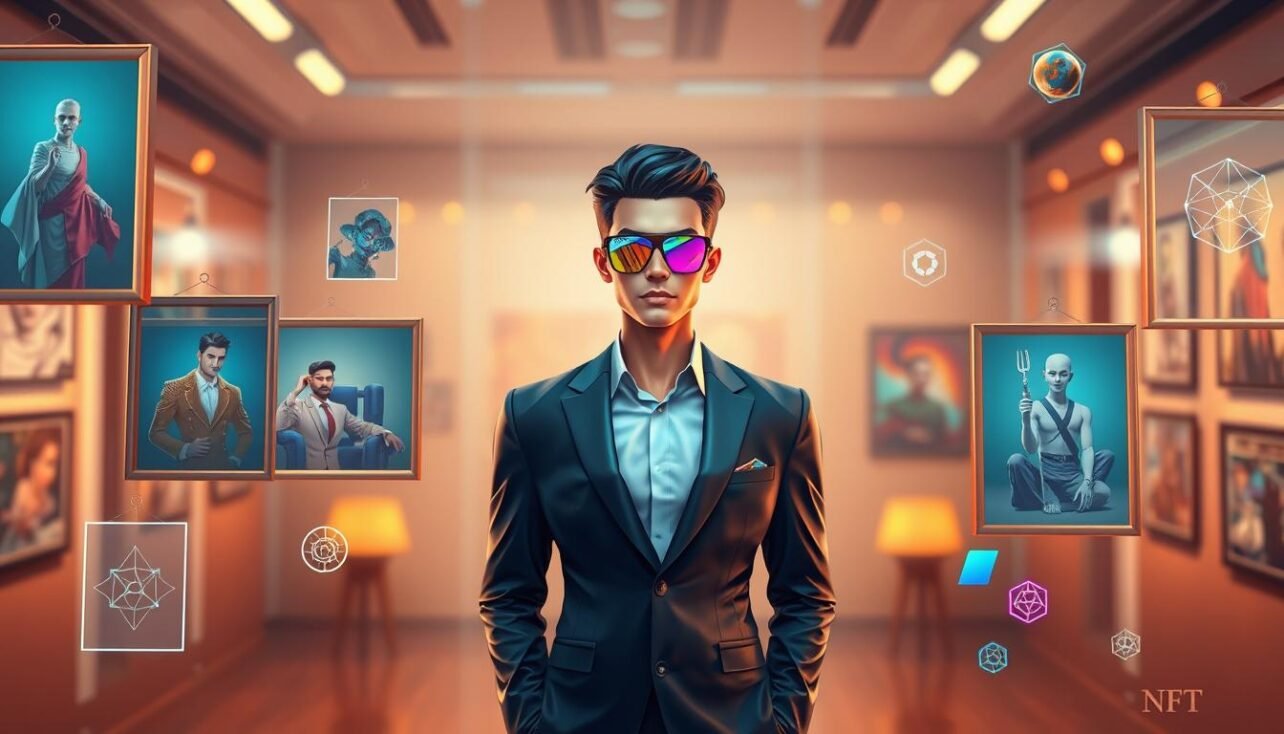
In today’s online spaces, your avatar is more than just a graphic. It’s a statement. A new type of virtual asset has emerged, allowing people to own a unique piece of art for their online identity.
These items are built on blockchain technology. This ensures each one is verifiably one-of-a-kind. Unlike a regular image file, its ownership and history are permanently recorded.
This innovation transforms a simple avatar into a symbol of belonging. It shows membership in a specific community or group. In many ways, owning one is like wearing exclusive designer wear in the physical world.
It serves as a status symbol and a form of self-expression. The rise of these tokens marks a shift in how we view our virtual presence. They blend art, technology, and social connection into a single asset.
This guide will help you understand why these digital items have captured mainstream attention. They are a key part of building a personal brand in our increasingly connected lives.
Understanding the Rise of PFP NFTs
A shift in how we represent ourselves online started quietly in 2017. That year, the CryptoPunks collection launched on Ethereum. It offered 10,000 unique, pixelated characters.
Each one was algorithmically generated with rare traits. This pioneering project used blockchain technology to prove ownership. It laid the foundation for the entire movement.
Digital Identity and Blockchain Integration
Our digital lives now require robust identities. Avatars serve as our virtual faces. Blockchain technology secures these assets with transparent records.
Each token is tamper-proof and verifiably unique. This integration adds a layer of trust. It turns simple images into owned pieces of art.
The Cultural Impact of Digital Art
The 2021 craze accelerated mainstream adoption. People began using these tokens as profile pictures. This signaled status and early adopter credibility.
Digital art became a recognized form of self-expression. It reflects a broader cultural shift. Our online personas now hold significant social weight.
NFT profile picture PFP explained
These tokens transform a common online identity marker into a powerful tool for self-expression and community membership.
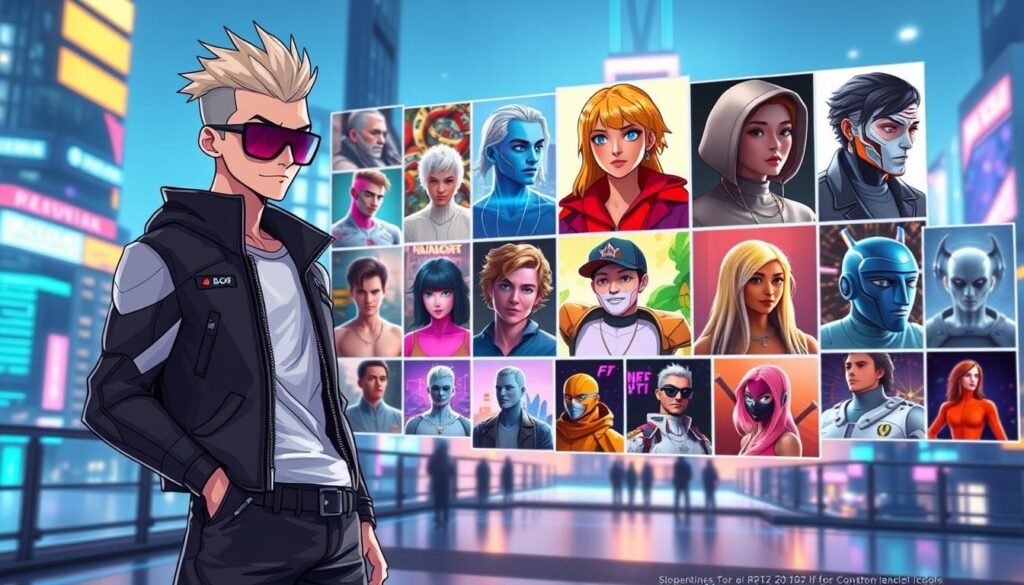
It is a specific type of digital asset designed primarily for use as a social media avatar.
Definition and Core Concepts
A PFP NFT is minted and validated on a blockchain. This process creates a permanent, public record of its existence and authenticity.
It is verifiably one-of-a-kind. This distinguishes it from regular digital images that can be copied infinitely.
Unique Ownership and Verification
Ownership is cryptographically secured on the distributed ledger. The holder has provable, exclusive rights to that specific asset.
This proof cannot be forged or disputed. It turns a simple graphic into a owned piece of art.
These digital assets serve several key purposes beyond being an avatar:
- Functioning as digital collectibles
- Granting access to exclusive online communities
- Acting as status symbols within digital ecosystems
- Showcasing participation in blockchain-based art movements
They can feature various characters and range from static to animated designs. Like other digital collectibles, they can be traded on secondary marketplaces. For a deeper dive into their meaning and use in crypto, explore this detailed guide on PFP NFTs.
Key Characteristics of Successful PFP Collections
What separates a fleeting trend from a lasting digital icon? Key characteristics in art and community define top-tier projects.
Successful sets share core features that drive demand and loyalty. These features ensure each piece is distinct and valuable.
Rarity, Traits, and Aesthetics
Algorithmic generation creates thousands of unique characters. Each one has a randomized set of traits.
Certain traits appear less often, creating a rarity hierarchy. This system makes some assets more desirable.
Visual style and artistic quality are crucial. Strong aesthetic appeal attracts collectors and sustains long-term interest.
Building Community and Social Status
A powerful community forms around shared ownership. Holders often gain access to exclusive groups and events.
Owning a rare piece acts as a status symbol. It signals taste and early adoption within digital circles.
This social layer is vital for longevity. Many community-driven projects offer special perks to engage holders.
The combination of unique traits, rarity, and a strong community defines a winning collection.
Exploring Popular PFP NFT Collections
A few pioneering sets of characters launched a multi-billion dollar industry for virtual avatars. These flagship collections define the market and set cultural trends.
The Legacy of CryptoPunks
CryptoPunks started it all in 2017. This set of 10,000 pixelated characters was the first major Ethereum collection.
Each one has algorithmically generated traits with varying rarity. Today, owning one is a major status symbol.
The floor price sits near 65 ETH, roughly $106,000. This shows the immense value of these pioneering digital assets.
Bored Ape Yacht Club and Related Spin-Offs
The Bored Ape Yacht Club (BAYC) is a global phenomenon. It features 10,000 unique ape portraits with distinct expressions and accessories.
Owning a Bored Ape grants entry to an exclusive yacht club. The brand expanded with spin-offs like Mutant Ape Yacht Club and Bored Ape Kennel Club.
Celebrities often use these characters as social media avatars. This drives demand and cements their place in popular culture.
Other notable pfp nft collections include colorful Doodles and projects like SlimHoods. For a broader look at these digital identity tools, check out this complete guide to PFPs.
These iconic collections fuel the exponential growth of the market. They create benchmarks for art and community success.
Artistic Styles and Formats for PFP NFTs
The visual landscape of digital avatars is a vibrant tapestry of artistic expression and technological innovation. Collections showcase a wide range of styles to match different tastes.
Popular categories include animal-themed characters, anime-inspired designs, and gaming-related aesthetics. This diversity ensures there is something for every collector.
Static, Animated, and Video Formats
The formats for these assets vary widely. Static images in JPEG or PNG are common and easy to use.
Animated GIFs add movement and personality. Video clips allow for short, looping stories. Each format offers a different way to express identity.
Generative and AI-Generated Art
Generative art is a core creation method. Algorithms combine traits to make thousands of unique images.
This approach powers many famous sets. AI tools now let creators make unique art from text prompts. This democratizes the creative process.
Innovations like dynamic NFTs can change over time. Fully on-chain art ensures permanent storage. Pixel art offers a nostalgic style.
The blend of generative art and new tools keeps the art scene exciting. It pushes the boundaries of what digital collectibles can be.
Creating and Launching Your Own PFP NFT Collection
The journey from a creative idea to a live digital collection involves both artistic vision and technical execution. This process can be broken into two main parts: designing the assets and deploying the nft collection.
Artwork Creation Methods: Hand-Drawn to Digital Tools
Artists use diverse methods to bring their characters to life. Some start with traditional hand-drawn sketches, later digitizing them.
Others work entirely with digital design tools like Adobe Photoshop or Procreate. These programs allow for detailed and complex art.
For larger projects, generative art algorithms can produce thousands of unique variations. 3D modeling software like Blender creates intricate, lifelike assets.
Leveraging Platforms Like NiftyKit
Technical hurdles once made launching projects difficult. Platforms like NiftyKit now simplify this entire process.
This innovative tool handles smart contract deployment and minting infrastructure. It allows creators to launch their nft collection in minutes.
This lets artists focus on their art and community building. It reduces the time and technical knowledge needed for new projects.
The final artwork can take many forms. Options range from static images and animated GIFs to 3D pieces like CloneX.
Pixel art offers a retro aesthetic, as seen in projects like Murakami Flowers. AI tools like Midjourney also help generate unique assets.
Social Media Impact and Profile Picture Usage
A major shift occurred when social media platforms began formally recognizing digital collectibles as avatars. These networks transformed into galleries of owned art. Social media engagement skyrocketed as a result.
Integrating NFTs with Twitter and Other Platforms
In January 2022, X (formerly Twitter) rolled out native support. Users could connect a crypto wallet for verification. Many users embraced this new feature.
The platform assigns a special hexagonal border to verified assets. Setting a PFP avatar requires a Twitter Blue subscription.
The process involves editing your profile image and selecting “Choose NFT.” Compatible wallets include MetaMask and Rainbow.
This feature allows social networks to confirm actual ownership. It distinguishes real holders from those using copied images.
Establishing a Digital Identity and Status
Using a verified avatar acts as a powerful status signal. It demonstrates early adoption and commitment to the crypto space.
People replaced standard profile pictures with characters like CryptoPunks. This expressed personality and cemented a pioneer identity.
These assets serve as visual extensions of one’s digital self. They grant access to exclusive groups and signal community affiliation.
Social networks provide the primary stage where these tokens derive value. Visibility and interaction make the avatar meaningful.
Future Trends and Evolution in the NFT Space
The digital collectible landscape is poised for transformative changes as new technologies redefine asset interactivity. The future of this space hinges on innovation beyond static images.
Dynamic, Upgradable, and On-Chain Art
Upgradable tokens can evolve based on user actions or achievements. Projects like DeGods showcase this dynamic capability.
Fully on-chain art is stored entirely on the blockchain. This ensures true permanence and security for collectors.
Market Growth and Emerging Collaborations
Celebrity endorsements and brand partnerships drive mainstream popularity. These collaborations bring legitimacy and increase market value.
Holders are expanding utility beyond avatars. They create exclusive communities, sell physical merchandise, and grant early access to new launches.
AI technology tools like Midjourney show surging interest. This democratizes the creation process for new projects.
The market is maturing with professional projects and institutional interest. Future trends may include augmented reality and universal digital identities.
Conclusion
From pixelated punks to animated apes, these assets represent a cultural shift. Digital avatars blend art, blockchain technology, and social connection into a single owned item.
They function as collectible art, granting access to exclusive community groups and events. This versatility makes them powerful tools for self-expression.
Their rise has transformed how we build identity online. Social media platforms have become galleries where ownership is verified and displayed.
The space continues to evolve with upgradable art and on-chain storage. Exploring this world thoughtfully offers new ways to connect and create.

No comments yet