

Digital assets for sports supporters represent a major shift in how communities engage with their favorite teams. These blockchain-based tools offer new ways to participate and show loyalty.
They create a unique bridge between real-world sporting events and digital ownership. This connection is reshaping fan experiences globally.
The broader cryptocurrency landscape has seen tremendous growth. Total market capitalization recently surpassed four trillion dollars, showing increased mainstream integration.
This concept began with football clubs like Juventus back in 2019. Today, nearly one hundred sports organizations across various disciplines have embraced similar models.
This movement, often called SportFi, links athletic competition with on-chain economies. It serves as a welcoming entry point to the digital asset ecosystem for many new users.
Our guide will explore the dynamics, strategies, and future of this exciting sector. You’ll gain practical knowledge for navigating this evolving space.
Overview of the 2026 Crypto and SportFi Landscape
Blockchain technology’s journey from fringe concept to mainstream asset class marks one of the most significant financial evolutions of our time. The crypto market has matured into an institutionalized and regulated asset class.
Contextualizing the Evolution of Crypto
This space moved past its early speculative phase. Key milestones like Bitcoin ETF approvals and clear rules, such as the EU’s MiCA framework, built trust.
These changes lowered barriers for big investors. The total market value soared from about $190 billion in 2020 to over $4 trillion recently.
This growth shows rapid maturation. An estimated 716 million people now hold digital assets.
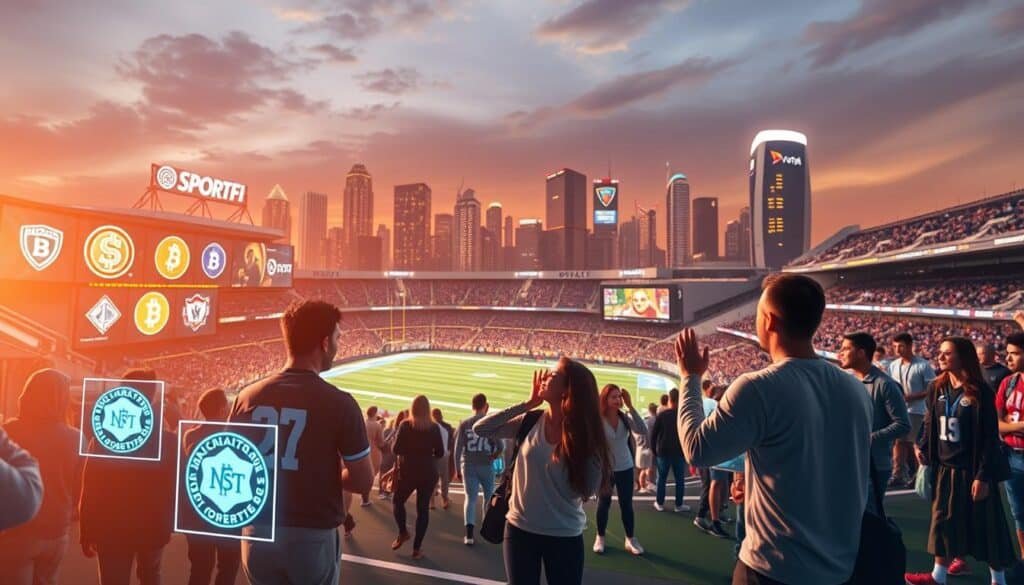
Introduction to SportFi and Fan Tokens
Within this broad ecosystem, new sectors like SportFi have emerged. It connects blockchain with the massive global sports audience.
Fan tokens are its most established use case. They act as a consumer-facing gateway, introducing many people to digital assets through a familiar passion.
This mirrors how other sectors first onboarded users. It leverages culture to drive broader crypto adoption.
NFT Fan Tokens Explained 2026
Imagine a digital key that unlocks exclusive club benefits and a voice in team decisions—that’s the essence of a fan token. These blockchain-based assets represent membership rights or ownership stakes in a sports organization.

Smart contracts on a blockchain network govern how these digital assets work. This code automates functions like voting and distributing rewards securely.
Their core utility provides holders with tangible benefits. Key features include:
- Governance Voting: Influence minor club decisions through polls.
- Exclusive Access: Unlock rewards, merchandise discounts, and unique experiences.
- Community Perks: Opportunities for meet-and-greets or VIP event tickets.
This creates a clear value exchange. Supporters gain deeper engagement and potential asset appreciation. Clubs secure a new revenue stream and strengthen global community ties.
Each digital asset is intrinsically linked to a real-world sports franchise with a proven history. This connection bridges physical experiences with digital ownership, creating a powerful engagement layer. For a deeper look at their future trajectory, explore this analysis on the fan tokens road to 2026.
The Rise of Fan Tokens in Global Sports
The landscape of sports fandom underwent a quiet revolution in 2019, starting on the pitches of Europe’s most storied football clubs. Pioneers like Juventus and Paris Saint-Germain tested a new digital model for supporter involvement.
From Early Adoption to Mainstream Integration
This experimental concept quickly proved its value. What began with a few elite teams has now been embraced by close to 100 sports organizations.
Adoption now spans football, esports, motorsports, and combat sports. Each team tailors the utility to its specific community.
Several key factors drove this rapid mainstream integration:
- Clubs seeking new, sustainable revenue streams.
- A strong desire for deeper, more meaningful fan engagement.
- Growing public comfort with blockchain-based assets.
Network effects accelerated growth. As major clubs launched successful projects, others followed to stay competitive.
This model has spread geographically from its European roots to American leagues, Asian markets, and Latin American clubs. With football alone boasting over 3 billion global supporters, these digital assets represent a powerful gateway for mass participation in the crypto economy.
Market Dynamics and Event-Driven Catalysts
The valuation of sports-related digital assets often dances to the beat of a different drum than the wider cryptocurrency market. Their price action is primarily driven by team performance and major tournaments.
This creates a unique, event-driven asset class. It frequently decouples from Bitcoin and broader crypto cycles.
Impact of Major Sporting Events
Playoff runs, championship finals, and winning streaks generate predictable catalysts. These moments focus massive fan attention and emotional investment.
The result is heightened trading activity and specific periods of demand. The market reacts to goals and trophies, not just financial news.
Real-World Examples and Price Movements
Concrete examples show this decoupling in action. During Tottenham’s 2025 Europa League run, its associated digital asset rallied 83%.
Bitcoin only gained 13% in the same period. Paris Saint-Germain’s Champions League advance pushed its asset up 40%, vastly outperforming Bitcoin’s 17% rise.
Even in a down market, Arsenal’s winning streak drove a 30% price increase for its asset. This happened while Bitcoin’s value fell by over 7%.
These movements illustrate a powerful, performance-based driver of value.
Regulatory Advancements and Institutional Adoption
A landmark authorization in 2025 paved the way for sports-focused digital asset platforms to operate with full regulatory approval in the European Union. Socios Europe Services became the first platform of its kind authorized under the EU’s MiCA framework.
This milestone grants compliant access to Fan Tokens across all 27 member states. It establishes a trusted gateway for future tokenized sports assets.
MiCA and Compliance Frameworks
The Markets in Crypto-Assets (MiCA) regulation provides crucial clarity. It sets uniform rules for issuing and trading crypto assets across Europe.
This framework has significantly lowered barriers for institutional investors. Large funds and traditional finance players can now participate with greater confidence.
Platforms have adapted by implementing strict KYC and anti-money laundering controls. Strategic partnerships, like the Chiliz-Assetera alliance, create fully regulated, investment-grade sports real-world assets.
This regulatory progress changes the entire investment landscape. It makes the market accessible to wealth managers and risk-averse institutions.
Clear rules guide their participation and investment decisions. The EU’s proactive stance contrasts with evolving approaches in other major crypto markets.
This wave of regulatory adoption is crucial for mainstream integration. It supports the development of assets with genuine real-world utility.
Blockchain Infrastructure and Technological Developments
Behind every trade and community vote, a sophisticated layer of blockchain technology ensures transparency and trust. This infrastructure is the core foundation for all sports-related digital assets.
Decentralized Platforms and Secure Transactions
Specialized networks like Chiliz Chain are built for this ecosystem. They power advanced applications, such as the Decentral protocol for financing football media rights.
Major chains have become far more efficient. Ethereum’s shift to proof-of-stake slashed energy use by about 99%.
Many platforms now use layer-2 solutions to keep costs low. This makes trading more accessible for everyone.
Decentralized platforms enable direct peer-to-peer trading. Smart contracts provide security and automate functions without intermediaries.
The right tools and infrastructure work together to support this growing market. They create a seamless experience for holders.
Utility and Community Benefits of Fan Token Ecosystems
Moving beyond mere speculation, modern fan-focused digital assets deliver concrete value through access and influence. Their primary purpose is to create a deeper, more rewarding connection between supporters and the clubs they love.
Access, Engagement, and Exclusive Rewards
Holders gain tangible benefits that enhance their supporter experience. A core utility is governance, allowing votes on club decisions like jersey designs or charity initiatives.
These assets unlock exclusive access to content and events. This includes behind-the-scenes footage, early ticket sales, and unique digital collectibles.
A dynamic rewards ecosystem encourages active engagement. Participants can earn points, badges, or additional assets through activities and loyalty.
This model functions as a digital membership card. It grants tiered access to physical experiences, from stadium tours to meet-and-greets.
Ultimately, these tools build stronger community bonds. They foster exclusive spaces where direct interaction with the club happens, moving value from price to participation.
Event-Driven Investment Strategies in Fan Tokens
Savvy participants treat these assets as liquid prediction markets for team success. This approach mirrors the rapid growth of on-chain platforms like Polymarket.
Their trading volumes have surged nearly fivefold. Your investment decisions should focus on the sporting calendar.
Historical evidence shows a clear pattern. In the 2022 World Cup, assets rose during the anticipation phase before matches began.
Performance often weakened once the event started. This “buy the rumor, sell the news” dynamic is key.
A strategic approach involves timing entries and exits. Target periods like playoff runs or championship matches.
Identify catalysts in advance. Look for potential trophy runs or key player signings to position accordingly.
This way of investing presents a unique case for returns. It can operate independently of broader market conditions.
Strong risk management is crucial. Always define your exit strategy before an event concludes.
Avoid overexposure to a single outcome. This disciplined approach helps manage the inherent risk.
Making informed decisions around these catalysts is the core of a successful event-driven strategy for any token holder.
Case Studies: Fan Tokens in Action
Examining concrete performance metrics reveals the powerful link between on-field achievements and digital asset valuation.
Examples from Football, Esports, and More
Real-world data from football provides strong examples. Tottenham’s associated asset surged 83% during a 2025 Europa League run.
Paris Saint-Germain’s digital asset rose 40% after a Champions League semi-final advance. Arsenal’s asset gained over 30% during a ten-match winning streak.
These case studies show clear value creation tied to team success. They often outperform the broader crypto market.
A strategic index approach allocated 50% to the ecosystem’s core asset. The other 50% was spread across assets for clubs like Barcelona, Juventus, and Galatasaray.
Key takeaways from these examples include:
- Performance Correlation: Sporting success is a primary driver of asset appreciation.
- Strategic Allocation: Diversifying across clubs with strong catalysts can manage risk.
- Community Customization: Each team tailors utility to its fan base’s culture.
Beyond football, esports organizations and motorsports community use similar models. They customize rewards and governance to boost fan engagement.
This case-by-case analysis proves the model’s adaptability. It delivers tangible value across different sports landscapes.
Exploring NFT Integration Beyond Fan Tokens
Digital ownership certificates are revolutionizing creative industries, from visual art to interactive entertainment and membership models. This technology creates new forms of value and access across many sectors.
Utility in Digital Art, Gaming, and Memberships
In digital art, these certificates verify authenticity for works like Beeple’s “Everydays.” Collectible projects like Bored Ape Yacht Club build strong communities. These are prime examples of cultural digital assets.
Gaming presents powerful use cases. Titles like Axie Infinity let players truly own in-game assets. Music artists also use this model for direct fan connections.
The utility extends to exclusive membership models. Projects like VeeFriends offer a membership token for community access. Non-transferable certificates can even represent skills or event attendance.
Key categories demonstrating this broad utility include:
- Art & Collectibles: Beeple, CryptoPunks, and Azuki as digital assets.
- Gaming & Music: Axie Infinity and Kings of Leon album releases.
- Membership & Identity: VeeFriends and POAPs for proof of attendance.
- Real-World Linking: Luxury brand authentication for physical goods.
These diverse examples show the technology’s adaptability. Each case moves beyond speculation to deliver real-world value.
The Intersection of NFT Ticketing and Fan Engagement
Event security and fan experience are being redefined through the integration of blockchain-based digital passes. This technology has moved from a novel idea to a practical solution for major concerts, sports matches, and festivals.
Enhancing Event Security and Authenticity
Counterfeiting has long been a plague for traditional paper or PDF tickets. Each blockchain-verified pass is cryptographically unique.
Its authenticity can be checked instantly against an immutable record. This eliminates fraud at the gate.
The 2022 Champions League final chaos is a stark example. Tens of thousands of supporters arrived with fake passes, causing major disruptions.
An estimated 15% of tickets were fraudulent. Verifiable digital records could have prevented this entire situation.
Dynamic Digital Collectibles and Post-Event Perks
These digital passes transform into cherished memorabilia after the event. They often feature custom artwork or animations.
Their utility extends far beyond simple entry. Holders can unlock exclusive backstage photos, highlight reels, or thank-you messages.
Access-based features create tiered experiences. At the Governors Ball music festival, digital passes doubled as VIP lounge access tokens.
This model fosters ongoing engagement. It mirrors advanced loyalty rewards programs, offering airdrops or discounts for future events.
Innovative Approaches to Ticket Resale and Scalping Prevention
Smart contracts offer a powerful new way to combat ticket scalping. They embed automated resale controls directly into digital passes.
This technological approach enforces fairness without manual oversight. Key features include transfer locks and royalty mechanisms.
Tickets can be programmed as non-transferable until near the event. This stops immediate flipping by scalpers.
Resale rules are also automated. A smart contract can send a percentage of any resale price back to the artist or organizer.
The GET Protocol proves this approach works at scale. It has sold over 600,000 blockchain tickets with controlled resales.
This creates a transparent secondary market. Real supply and demand are visible for every event.
Smart contracts can even block sales above a set maximum. This keeps tickets affordable for genuine fans.
These innovations benefit all stakeholders:
- Fans: Get fairer pricing and fraud protection.
- Artists/Organizers: Reclaim lost secondary market revenue.
- Ecosystem: Becomes more equitable and trusted for all tokens and passes.
The entire ticketing landscape is being transformed. It moves from a shadowy secondary market to a fair, programmable system for every major event.
Risk Management and Investment Considerations
Before allocating capital, understanding the unique challenges of this niche market is crucial. Smart decisions require a full view of the potential downsides.
Market Volatility and Liquidity Challenges
The total market cap for these assets is roughly $240 million. This is tiny compared to the $3 trillion crypto market.
Such small size means limited liquidity. You may not find instant buyers when you want to sell.
Recent data shows high volatility. A key index fell 32% in a few months, underperforming Bitcoin.
Annualized volatility was 12.7% for the index. Individual assets ranged from 9.4% to 35%.
Regulatory and Technological Risks
Several security risks threaten holders. Watch for fake collections and “free mint” scams.
Malicious smart contracts can drain wallets. Rug pulls occur when developers abandon a project.
The regulatory landscape is still evolving. New rules could change the value or way you trade a token.
Technological risks include network issues and key management. You bear full responsibility for securing your assets.
Given these risks, position sizing is vital. These assets should only be a small part of a diversified portfolio.
Future Trends and Adoption in Sports Crypto
Practical utility, not digital art, will define the next wave of blockchain adoption in the global sports industry. The focus is shifting from speculative collectibles to access and ownership.
Growth Forecasts and Emerging Platforms
The digital ticketing sector is poised for massive expansion. Market projections show it growing from $1.3 billion in 2025 to $7.8 billion by 2033.
This represents a nearly sixfold increase. Major events like the FIFA World Cup in 2026 will be powerful catalysts.
That tournament engaged roughly 5 billion people in 2022. Similar global attention will drive mainstream adoption.
New platforms are emerging to bridge traditional fans and crypto-native experiences. These tools will make blockchain technology invisible to most people.
They will simply use it for tickets and memberships without knowing the underlying tech. Key trends shaping this future include:
- Utility-First Models: Access control and verified ownership become primary use cases.
- Geographic Expansion: Growth in passionate regions like Latin America and Southeast Asia.
- Convergence with Gaming: Digital assets providing access across physical events and virtual worlds.
The evolution is clear. Adoption will be driven by real-world applications that enhance the fan experience.
Bridging Traditional Ticketing with NFT Technology for Enhanced Experiences
Attendees today can enjoy enhanced experiences without needing to understand complex technology. Major ticketing companies are integrating blockchain features into their familiar systems.
This creates a powerful hybrid model. In 2023, Ticketmaster trialed token-gating for an Avenged Sevenfold concert.
This gave holders of specific digital collectibles early presale access. It showed how legacy platforms can add new utility.
The Coachella music festival provides another key example. After initial marketplace challenges, they announced a 2024 partnership to re-launch their ticket collectibles.
This iterative way proves major events are committed to this technology. They learn and adapt to improve the fan experience.
Modern platforms hide all blockchain complexity. Attendees buy with a credit card and get tickets via email or an app.
They often don’t realize a secure digital ledger works in the background. This seamless integration is crucial for mainstream adoption.
It removes technical barriers that once limited growth. A single event can now offer different ticket types.
General audiences get traditional entry. Tech-savvy attendees can choose enhanced versions with extra perks.
This transitional approach is the most practical way forward. It maintains comfort while gradually introducing new benefits.
Community, Governance, and Utility in Fan Token Adoption
The true power of sports-related digital assets lies in their ability to transform passive spectators into active community members. This shift forms the core of successful adoption, creating lasting value beyond speculation.
Building Strong Fan Communities and Governance Models
Governance mechanisms give holders direct voting rights on club decisions. Choices include jersey designs, walkout music, and community initiatives.
This participation fosters deep emotional investment. It transforms passive supporters into active stakeholders with a genuine voice.
Exclusive infrastructure like private Discord channels and special forums builds belonging. These spaces enable direct talks with club representatives and fellow enthusiasts.
The strongest projects prioritize community building over pure financial motives. Engaged holders create sustainable demand and long-term loyalty, driving wider adoption.
Models range from simple polls to sophisticated systems. Some weight votes by holding size or participation history.
Emerging concepts like Soulbound tokens could represent fan credentials or verified status. These non-transferable assets create identity layers within groups.
Utility and the benefits offered must align with community values. Successful projects deliver perks that holders genuinely desire, ensuring meaningful engagement.
A balance is struck between decentralized input and practical control. While fans appreciate influence, clubs maintain operational authority over critical decisions.
This core approach mirrors advanced community-driven models seen across innovative digital ecosystems.
Conclusion
Bringing it all together, this sector’s growth is powered by clear rules, better tech, and huge global sports events. These digital assets exist at a unique intersection of athletic passion and on-chain finance.
Their value is often driven by game outcomes, not just crypto market trends. The current market size is modest, but conditions are ripe for increased participation.
The technology’s core utility is shifting toward real-world applications like ticketing and membership access. For communities of supporters, this model unlocks new benefits.
Holders gain unique engagement and a voice in club decisions. Investors can pursue event-driven strategies within this ecosystem with proper risk management.
The key is making informed decisions and viewing these assets as one part of a diversified approach.

No comments yet