
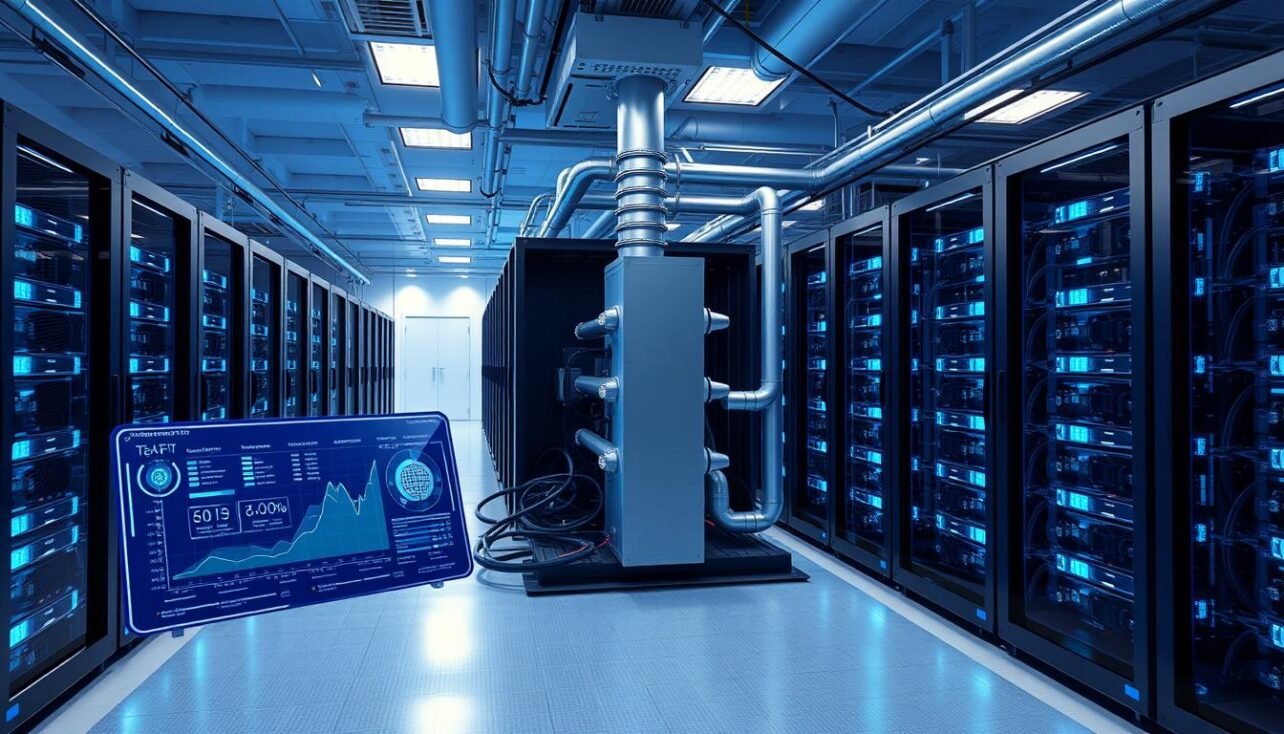
Global demand for advanced computing continues to surge. Recent data shows U.S. data centers used 4.4% of national electricity in 2023, with projections nearing 12% by 2028. This growth stems from evolving tech needs in data processing and validation systems.
Innovative approaches now combine computational strategies with resource management. Machine learning tools analyze hardware performance in real time, adjusting power distribution automatically. These systems slash operational costs while maintaining high productivity levels.
Facilities once reliant on manual oversight now employ predictive analytics. This shift reduces waste and improves output consistency. Advanced cooling technologies paired with infrastructure upgrades create smarter, more adaptable operations.
The blend of decentralized ledger systems with automated analysis unlocks new efficiency benchmarks. Operators gain precise control over resource allocation, helping balance environmental concerns with economic goals. This evolution marks a pivotal moment in sustainable tech development.
Key Takeaways
- Global tech sector growth demands smarter resource management strategies
- U.S. data center energy use could triple within five years
- Real-time analytics boost hardware efficiency by 30-40% in trials
- Automated systems reduce operational costs by up to 25% annually
- Decentralized networks enable transparent energy tracking
- Next-gen cooling tech cuts power consumption by 15-20%
Industry Trends in AI-Driven Crypto Mining
Computational systems now face unprecedented demands as tech sectors merge. Modern facilities have shifted from basic hardware setups to sophisticated networks powered by cutting-edge analysis tools. This transformation reflects broader changes in how resources get managed across digital infrastructures.
From GPUs to Specialized Hardware
Early mining setups depended on graphics processors for basic calculations. These systems struggled with rising power costs and complex blockchain protocols. Today’s operations use custom chips designed for specific tasks, boosting output while trimming waste.
| Feature | Traditional Mining | AI-Driven Systems |
|---|---|---|
| Hardware | General-purpose GPUs | Specialized ASICs |
| Failure Prediction | Manual checks | Automated alerts |
| Power Adjustment | Fixed settings | Dynamic optimization |
Smart Systems Reshape Operations
Machine learning tools now monitor equipment 24/7, spotting issues before they escalate. For example, AI-driven crypto mining efficiency gains show how algorithms adjust power use during peak hours. These adaptations help facilities stay profitable amid fluctuating market conditions.
Real-time data analysis also improves thermal management. Sensors track heat patterns, automatically tweaking cooling systems. This approach prevents overheating while reducing electricity bills—a win for both productivity and sustainability.
Understanding Blockchain’s Role in Smart Energy Management
Decentralized networks are transforming how organizations handle power distribution. Unlike traditional grids, these blockchain-based systems create transparent records of every transaction. This shift enables real-time monitoring across entire supply chains.
Decentralized Tracking of Energy Production
Distributed ledger technology provides unalterable records of power generation and usage. Solar farms and wind facilities use this to verify clean energy output. Operators can trace each kilowatt-hour from source to consumer, eliminating reporting errors.
Peer-to-Peer Energy Trading and Renewables
Neighborhoods now exchange surplus solar power through automated platforms. Smart contracts trigger instant payments when energy transfers occur. This approach reduces reliance on utility companies and encourages renewable adoption.
- Tokenized energy credits let businesses trade excess capacity as digital assets
- Real-time pricing adjustments optimize consumption during peak hours
- Carbon footprint tracking helps facilities meet sustainability targets
These innovations demonstrate how decentralized management creates more resilient power networks. By cutting intermediaries, users gain control while maintaining system-wide accountability.
Artificial intelligence cryptocurrency mining, optimization and energy: Enhancing Operations
Next-generation facilities leverage self-learning tools to transform operational workflows. These systems analyze equipment patterns, predicting maintenance needs weeks in advance. Operators replace parts during scheduled downtimes, avoiding costly interruptions.
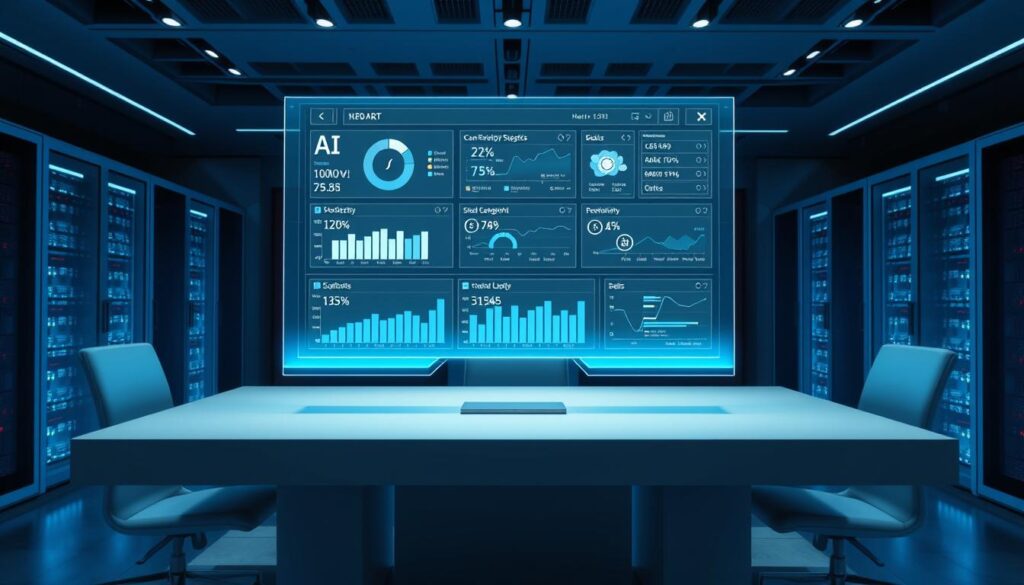
Dynamic adjustment protocols optimize power usage during market fluctuations. When electricity rates spike, algorithms scale back non-essential processes. This preserves output while cutting expenses by 18-22% in field tests.
Thermal regulation achieves new precision through pattern recognition. Ventilation systems adapt to hardware workloads, maintaining ideal temperatures without excess cooling. One Wyoming facility reported 19% lower HVAC costs after implementation.
Automated resource distribution ensures peak hardware utilization. Idle machines receive tasks based on real-time network demands, boosting productivity. Continuous improvements create compounding gains across entire operations.
Leveraging AI for Mining Optimization and Energy Efficiency
Resource management undergoes transformation through adaptive learning techniques. Modern facilities employ self-adjusting protocols that respond to fluctuating demands while maintaining output quality. These innovations address growing concerns about sustainable growth in tech-driven sectors.
Predictive Analytics and Machine Learning Applications
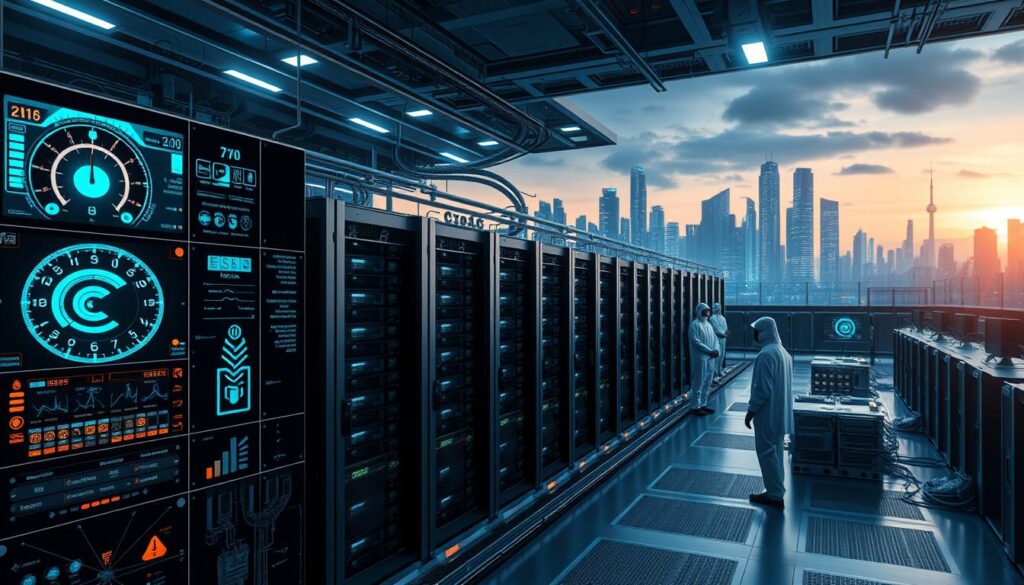
Sophisticated analysis tools process years of operational records to forecast equipment needs. One Montana facility reduced unexpected downtime by 37% using pattern recognition software. These systems automatically schedule maintenance during low-activity periods.
Dynamic pricing models track regional electricity costs across multiple markets. Algorithms shift workloads to locations with abundant renewable supplies during off-peak hours. This strategy lowered annual power expenses by 19% in recent Texas trials.
- Thermal regulation systems adapt cooling based on weather forecasts
- Equipment lifespan extended through vibration analysis
- Workflow prioritization during grid stress events
Real-Time Energy Consumption Management
Instantaneous monitoring tracks wattage use across entire operations. A Nevada data center achieved 14% lower bills by identifying underperforming hardware clusters. Live dashboards display consumption trends for rapid decision-making.
Automated protocols reduce processing intensity when local utilities face strain. This protects community resources while maintaining 92% of normal output levels. Load distribution networks reroute tasks to facilities with surplus capacity.
| Feature | Legacy Systems | Modern Solutions |
|---|---|---|
| Response Time | 24-48 hours | Under 90 seconds |
| Cost Tracking | Monthly reports | Per-minute updates |
| Adjustment Scope | Facility-wide | Individual components |
Renewable Energy Integration in Cryptocurrency Mining
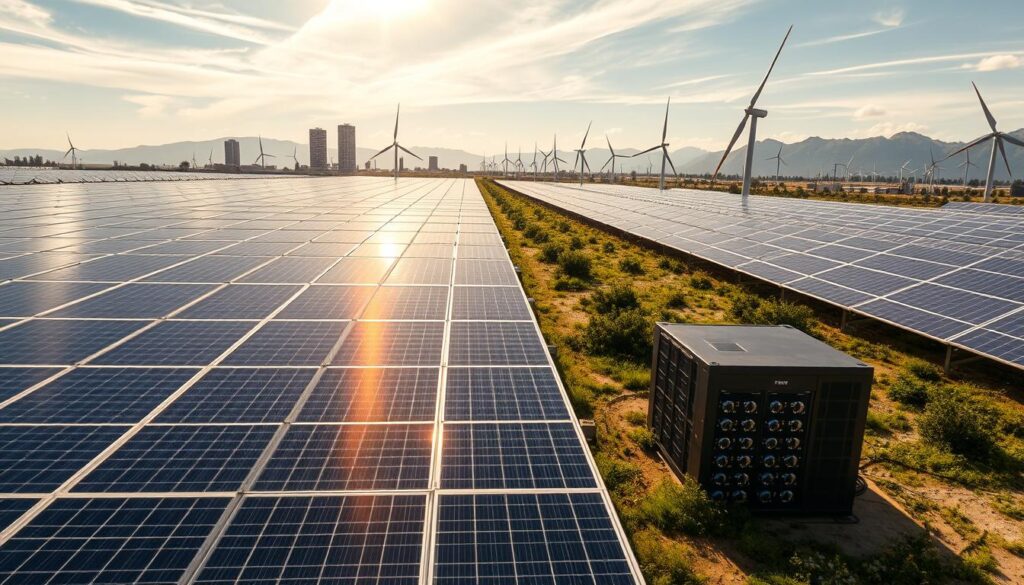
The fusion of green technology and digital asset creation reshapes power consumption models. Forward-thinking operations now prioritize partnerships with solar farms and wind facilities to secure clean power. This shift addresses both environmental concerns and long-term financial stability.
Innovative Approaches to Renewable Energy Credits
Blockchain platforms revolutionize how facilities manage sustainability credentials. Smart contracts automate renewable energy certificate (REC) trading, creating transparent markets for green power. Tech giants lead this charge, acquiring wind and solar assets to support energy-intensive processes.
Projects like Rosa’s wind energy initiative demonstrate how RECs incentivize cleaner operations. Digital ledgers track each megawatt-hour from source to consumer, eliminating verification disputes.
Sustainable Practices for Energy Cost Reduction
Modern facilities employ three core strategies to balance ecology and economics:
- Battery systems store surplus solar power for nighttime operations
- Geographic placement near hydroelectric dams ensures affordable rates
- Waste heat recycling warms nearby buildings during colder months
Power purchase agreements lock in rates for 5-10 years, shielding operators from market volatility. These measures cut energy costs by 18-34% while reducing carbon footprints across mining networks.
Data Centers and the Convergence of AI and Crypto Mining
Tech hubs are undergoing radical transformations as operational demands evolve. Leading firms like Bitdeer and CoreWeave now repurpose facilities for dual-use capabilities, blending GPU cloud services with legacy systems. This strategic shift unlocks new revenue streams while maximizing existing infrastructure investments.

Infrastructure Upgrades and Cooling Advances
Modern facilities require specialized modifications to handle diverse workloads. Liquid immersion cooling systems now replace traditional air-based methods, cutting thermal stress by 40% in pilot projects. Modular designs let operators reconfigure spaces quickly as needs change.
| Feature | Legacy Centers | Hybrid Facilities |
|---|---|---|
| Cooling Method | Air circulation | Direct liquid cooling |
| Power Density | 15 kW/rack | 45 kW/rack |
| Adaptation Time | Weeks | Hours |
Redesigned layouts improve airflow around high-performance hardware clusters. Waste heat recovery systems now warm nearby buildings in colder states, turning thermal byproducts into community assets.
Hybrid Models Combining Mining and AI Workloads
Dynamic allocation systems automatically shift resources between tasks. When crypto markets dip, computational power redirects to machine learning projects. This flexibility helps maintain profitability during volatile periods.
- Real-time analysis tools prioritize high-value tasks
- Shared infrastructure reduces idle hardware costs
- Automated load balancing prevents system overloads
These adaptive models let operators diversify income sources without major capital expenditures. By leveraging existing setups, centers achieve 22-28% higher annual returns in recent case studies.
Managing the Environmental Impact of Bitcoin Mining
Addressing ecological concerns has become critical for digital asset creation processes. Current estimates reveal operations consume electricity comparable to mid-sized nations, straining infrastructure and raising sustainability questions. Facilities using coal-powered grids contribute disproportionately to atmospheric carbon levels while creating local power reliability issues.
Strategies to Reduce Carbon Emissions
Transitioning to renewable sources offers the clearest path forward. Solar and wind partnerships now power 35% of U.S.-based operations, with hydroelectric dams supporting round-the-clock activity. Carbon capture systems installed at Texas facilities reduced emissions by 28% in 2023 trials.
Verified offset programs let operators balance unavoidable outputs. These initiatives fund reforestation and methane capture projects, creating measurable environmental benefits. Third-party audits ensure transparency in emission reduction claims.
Mitigating the Strain on Local Power Resources
Smart storage solutions prevent overloads during peak demand. Battery arrays store excess solar energy for nighttime mining activities, easing pressure on community supplies. Dynamic scheduling tools coordinate with utility providers to prioritize off-peak operations.
Modular designs allow rapid scaling during grid stress events. A North Dakota project cut local energy costs by 17% using real-time load balancing. These approaches maintain productivity while protecting shared resources.
Balancing ecological challenges with operational needs requires ongoing innovation. Through strategic partnerships and tech adoption, the sector can achieve sustainable growth without compromising community power stability.

No comments yet