

This guide explains what “AI Crypto Wallet Security Features” mean for buyers in the United States. It sets clear expectations about what intelligent tools can do and what must remain manual or protected by strong key management.
Protecting assets is more than safe storage. It includes safer transactions, smarter approvals, and fewer user mistakes. Modern offerings act like a co‑pilot that flags risky transfers while keeping private keys isolated.
Use this guide to compare fraud detection, authentication, pre-signing simulations, network intelligence, and privacy controls. The checklist approach helps US consumers, fintech teams, and product leaders evaluate vendors on usability, privacy, and compliance.
Baseline: private keys must stay protected by strong key management, and intelligent systems should advise or detect risks rather than sign on behalf of users. Read on with a checklist mindset to pick the right wallet for your needs.
Why AI-Powered Crypto Wallet Security Matters in the United States Right Now
With billions stolen and phishing on the rise, modern wallets must do more than hold keys. Recent reports cite roughly $40B stolen in 2024 and another $2.17B in 2025, much of it traced to compromised recovery phrases, SIM swaps, and malware.
Private key compromise is uniquely catastrophic
When a private key is lost or stolen, on-chain transfers are irreversible. There is no customer support hotline that can undo a bad transaction. That makes everyday risks—phishing links, fake dApps, and compromised backups—existential for users.
Static systems lag behind adaptive threats
Traditional, rule-based defenses miss emerging attack patterns. Adaptive systems that use machine learning can spot new fraud and update detection logic quickly. This reduces false negatives and keeps pace with evolving threats.
User experience drives retention and adoption
Poor flows—clunky seed phrase steps, confusing approvals, and unclear gas estimates—push users away. Web3 products often see retention below 10% after 30 days when UX fails. Better user experience reduces mistakes and improves trust.
Market momentum and investment matter
Mordor Intelligence projects growth from $14.79B in 2024 to $43.04B by 2029, showing clear investment in artificial intelligence for fintech tools. That funding accelerates tooling, model quality, and standardization, which benefits wallet buyers.
Buyer takeaway: In the current US market, the default key store is no longer enough. Expect proactive risk signals, clear user prompts, and measurable fraud prevention—not just storage.
Learn how modern approaches deliver measurable benefits at ai-driven crypto wallet benefits.
What Is an AI Crypto Wallet and How It Differs From a Traditional Crypto Wallet
Modern crypto wallets do more than keep keys. They act as a co‑pilot that watches context, highlights suspicious deviations, and explains choices in plain language.
- Machine learning for spotting anomalies and unusual patterns in transactions.
- Predictive analytics for timing fees, estimating congestion, and forecasting risk.
- NLP for translating technical transaction data into user-friendly summaries.
What changes for users: a transaction summary before signing, pre‑signing simulations that reveal hidden drains, and adaptive prompts instead of one‑time checks. These elements reduce mistakes and speed safer decisions.
Where intelligence must not control signing
Trustworthy designs keep advisory logic separate from cryptographic operations. The advising layer should only output risk scores and warnings.
- Demand least‑privilege access and sandboxing for model code.
- Require one‑way advisory outputs into the UI—no model should hold raw private keys or sign on behalf of a user.
- Look for pre‑sign simulations, human‑readable summaries, and step‑up authentication that adapts to detected risk.
Buyer tip:favor wallets that isolate signing, log advisory decisions, and provide clear, actionable guidance without ever exposing private keys.
AI Crypto Wallet Security Features Buyers Should Prioritize
Prioritize defenses that spot risky behavior and stop dangerous transactions before a user taps confirm. Buyers need a clear short list that separates must‑have protections from nice‑to‑have enhancements.
- Real‑time anomaly detection: Behavioral baselines learn normal use for each account. This lets systems flag abnormal transactions fast, protecting both casual users and high‑value holders.
- Threat prevention inputs: Combine known‑bad address lists, IP reputation, device integrity signals, and malware indicators to stop common attack vectors.
- Pre‑approval risk scoring: Show clear severity levels, specific reasons, and next steps in the UI before any high‑impact action is approved.
Nice‑to‑have:
- Smart contract simulation that reveals hidden approvals, token drains, and deceptive calldata before signing.
- Adaptive defenses that retrain with new scam patterns and observed exploit methods to reduce reliance on static rules.
Buyer tip: Favor systems that log decisions, surface concise data for user review, and pair automated detection with simple remediation options. This mix improves protection while keeping the user in control of their assets.
AI-Driven Fraud Detection and Threat Prevention for Wallet Transactions
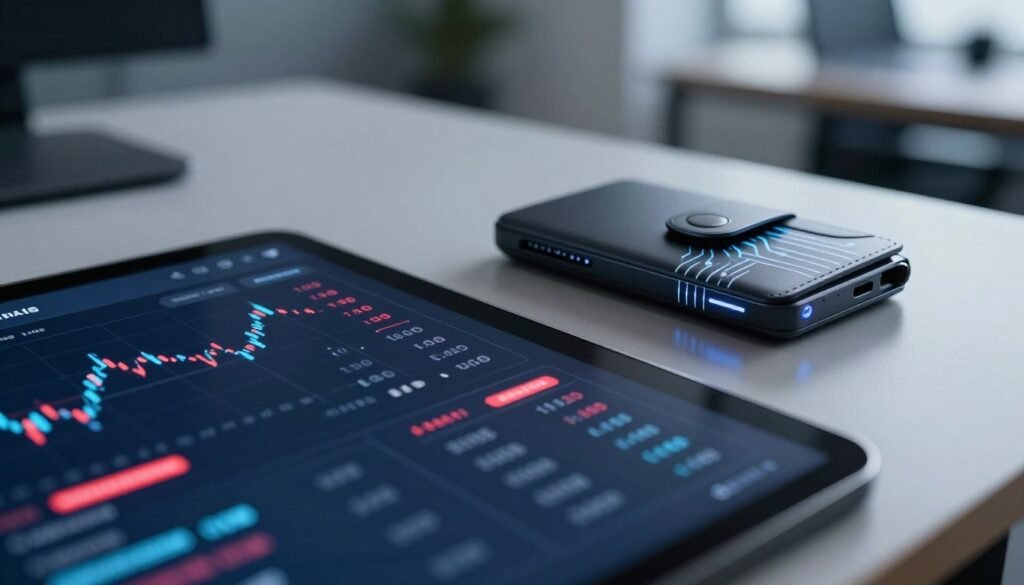
Real-time transaction screening combines device context, timing, and blockchain analytics to reduce losses. Systems learn typical transfer sizes, destinations, and device signals so they spot sudden deviations immediately.
Behavior baselining
The model builds a profile of normal activity for each user. It tracks transaction frequency, common gas ranges, and typical recipients.
When a transfer deviates, the system raises a risk flag in seconds, enabling rapid response.
Pattern matching at scale
Large datasets and blockchain analytics cluster scam behaviors, link related addresses, and detect wash patterns.
This lets platforms match new cases to known schemes and block suspicious fund flows.
Response and usability
- Silent blocks for clearly malicious transfers.
- Step-up verification for ambiguous cases to avoid false positives.
- Clear alerts that give users short, actionable guidance.
Business impact: These systems reduce reimbursements, cut support tickets, and lower reputational risk for both custodial and non-custodial platforms.
Smarter Authentication: Biometrics and Behavioral Signals That Stop Account Takeovers
Account takeovers still drive most on‑platform losses because an attacker with a live session can approve transfers without touching private keys. Stopping session access is therefore as important as protecting keys.
Biometric login options that improve security and user experience
Modern wallets should support Face ID, fingerprint readers, and platform secure‑enclave integrations. These keep secrets local and reduce password or PIN fatigue for mobile‑first users.
Behavioral biometrics: typing cadence, device handling, time-of-day, and location signals
Behavioral signals add a second layer of identity without extra steps. Models track typing rhythm, swipe pressure, device motion, typical login hours, and coarse location consistency.
- Typing cadence and swipe patterns to spot impostors.
- Device movement and handling signatures for mobile sessions.
- Time and location baselines to detect unusual access.
Continuous authentication vs one-time login checks
Continuous checks run quietly after login and can trigger step‑up verification before any high‑impact transfer. This reduces takeover risk without disrupting routine actions.
Buyer guidance: favor wallets that perform on‑device processing of biometric and behavioral data, minimize raw data export, and make clear privacy promises. That balance boosts protection and preserves a smooth user experience.
Predictive Transaction Safety: Pre-Signing Checks, Simulations, and User Warnings
Pre-signing checks turn each approval into a safety checkpoint so problems are caught before any funds move. This buyer-critical step runs a dry‑run of the exact call, flags anomalies, and prevents costly post‑sign remediation.

Human-readable transaction summaries
Readable summaries translate calldata into clear outcomes. They show what you gain, what you lose, and any downstream token movements. Highlighting approvals, spend limits, and redirected transfers helps users make informed choices.
DeFi and dApp risk checks
Top platforms check contract reputation, query exploit databases, and mark “new contract” or proxy risks. Anomalous approval patterns—like unlimited spend or hidden proxy drains—show as urgent warnings.
Intent-based UX to reduce routing mistakes
Let users state a goal and let the wallet pick chain or token routes. This reduces wrong‑network sends and costly token routing errors on multi‑chain platforms.
- Warning design: show severity, explain the why, and make the safe choice easy (cancel, limit approval, revoke).
- Examples buyers know: “approve unlimited spend,” “hidden drain via proxy,” “malicious signature request.”
Fee Optimization and Network Intelligence That Also Improves Security Outcomes
When fees and congestion are forecasted, users see clearer timing and cost for each transaction. That clarity reduces rushed approvals and the panic that leads to mistakes.
Predicting congestion and gas to prevent failures
Mempool and recent block analytics let a wallet recommend the right fee and best time to send. Accurate network forecasts mean fewer stuck transactions and fewer duplicate submissions.
Routing across chains and Layer‑2 for cost and timing
Smart routing suggests cheaper chains or Layer‑2 paths and highlights bridge trust assumptions. Showing the total estimated cost and expected confirmation time helps users decide safely.
- Why this is security‑relevant: fewer failed attempts mean fewer chances for attackers to exploit user confusion.
- Evaluation criteria: routing transparency, override controls, confirmation‑time accuracy, and clear total‑cost previews.
Buyer note: US users expect banking‑like predictability—show fees, show time, and let people confirm with confidence.
Privacy, Data Handling, and Compliance in AI Crypto Wallet Development
Privacy must be built into development from day one to limit data exposure and build user trust. US buyers expect clear consent, limited collection, and fast deletion of telemetry that isn’t essential.
Data minimization and encryption strategies
Collect only signals needed for fraud detection and analytics. Retain them briefly, anonymize where possible, and enforce strict access controls.
Encryption expectations: encrypt in transit and at rest, use secure enclaves or OS keystores, and restrict cloud telemetry with role-based access.
On-device vs cloud tradeoffs
On-device models reduce data outflow and lower latency but may limit model size and update cadence. Cloud processing enables richer analytics but adds centralization risk and higher breach exposure.
Auditable decisions and AML/KYC readiness
Log inputs, outputs, and reason codes so teams can trace why a transaction was flagged. If automated detection leads to reporting, build triage workflows and sanctions screening compatible with existing compliance systems.
Practical buyer tip: demand strong data management, verifiable logs, and documented integration with compliance solutions such as ai-powered security.
Security Risks Introduced by AI and How the Best Wallets Mitigate Them
As intelligent layers are added, they create new points attackers can target inside transaction flows.
Adversarial inputs and model poisoning let attackers feed crafted data so a system mislabels a malicious transfer as safe.
That leads to false negatives, confusing false positives, and long‑term model drift. In plain terms, models can be tricked or subtly corrupted during training.
Practical mitigations
- Use secured training pipelines and signed model updates to prevent tampering.
- Run anomaly detection on model outputs and log decision reasons for auditability.
- Keep the signing path isolated so the advisory layer cannot sign or expose keys.
Explainability and transparency
Show the why: display reason codes, contract flags, and approval scope instead of vague advisories. Clear signals help rebuild user trust after a flagged event.
Guarding against centralization creep
Relying on a few providers creates systemic risk. Ask who hosts models, how updates are delivered, how decisions are logged, and what failover solutions exist if services go offline.
Buyer’s Checklist: How to Choose the Right AI-Enhanced Crypto Wallet
A clear checklist helps buyers compare options side‑by‑side and spot gaps before committing to a provider.

Use this checklist to evaluate non‑custodial and custodial models in the US market. Score each product and prioritize the items below when you run demos or request proposals.
Security fundamentals
- MFA, hardware or secure‑enclave key storage, and proven encryption in transit and at rest.
- Clear recovery options, documented key management, and independent security audits.
- Immutable logs for decision traces and incident response plans tailored to US regulation.
AI‑specific proof points
- Pre‑sign simulation, risk scoring, and anomaly detection listed with update cadence.
- Explainability: reason codes and human‑readable warnings in the UI.
- Model update policy, red‑team testing, and signed model releases from the provider.
Experience, integrations, and portfolio management
- Dashboards that surface actionable alerts and let users tune sensitivity.
- Multi‑chain asset management across major tokens, plus safe approval handling.
- Clear integrations with exchanges, DeFi platforms, tax tools, and fintech solutions.
Pricing, reputation, and procurement checks
- Transparent fees, subscription tiers, and how premium AI addons affect total cost.
- Verify audits, public incident history, support SLAs, and references from US customers.
- Ask whether a development company or third‑party provider hosts models and how vendor risk is managed.
Buyer tip: score vendors against these items and require demo evidence. That gives a defensible decision path when approving a crypto wallet for business or personal use.
Implementation Considerations: Crypto Wallet Development, Integration, and Cost Drivers
Choosing how to build shapes timelines, budgets, and operational risk. Teams in the United States must weigh three main paths: build in‑house, adopt a white‑label base, or commission custom wallet development with advisory modules layered on top.
Build vs white‑label vs custom development
In‑house builds offer control but need deep engineering and ongoing model ops. White‑label options cut time to market yet may limit customization. Custom development balances tailored flows and integration work but raises initial cost and delivery time.
Secure architecture patterns
Look for MPC key‑splitting, TEEs for protected execution, and strict separation where advisory modules never control signing. These patterns reduce blast radius and keep cryptographic ops isolated.
Data pipelines and model operations
Plan for telemetry ingestion, drift monitoring, retraining cadence, secure model delivery, and adversarial red‑team tests. MLOps and analytics pipelines are ongoing cost drivers.
Integration and partner expectations
- Connectors: blockchain node providers, exchange and DeFi adapters, and analytics feeds.
- Permissioning: least‑privilege systems and scoped API keys to limit failures.
- Vendor deliverables: threat modeling, audits, performance testing, monitoring, and incident response playbooks from your development company.
Budget note: expect recurring spend for model updates, compliance reviews, and active monitoring. Treat intelligent modules as operational responsibilities, not one‑time installs.
Conclusion
Buyer takeaway: Expect proactive defenses—pre‑sign simulation, anomaly detection, and clear risk scoring—paired with strong key management, encryption, and MFA. These elements protect assets while keeping the signing path isolated from advisory logic.
Clarity at the moment of signing reduces costly mistakes. For DeFi approvals and unknown contract calls, concise summaries and auditable reason codes make safe choices easy. Good user experience also lowers rushed approvals, wrong‑chain sends, and routing errors.
US buyers should demand data minimization, auditable decision logs, and clear disclosure of on‑device versus cloud processing. Use the checklist to compare providers and prioritize transparency, public audits, and measurable controls over vague claims.
Next step: evaluate your current wallet risks, define must‑have features for your use case, and pick a solution that adapts as market trends and threats evolve.
FAQ
What makes an AI-powered crypto wallet different from a traditional wallet?
Modern wallets add machine learning and predictive analytics to go beyond key storage. They analyze transaction patterns, flag risky addresses, and simulate smart-contract calls before signing. This reduces fraud, improves user experience, and helps manage multi-chain portfolios while keeping sensitive keys isolated on-device or in MPC modules.
How does real-time fraud detection work for transactions?
Systems baseline normal behavior for each user, then use pattern matching and blockchain analytics to spot anomalies. When a transaction looks suspicious, the wallet can block it, require step-up verification, or warn the user. These signals come from address reputations, IP risk, device telemetry, and historical transaction data.
Will intelligent transaction checks expose my private keys to third parties?
No. Good designs separate decision logic from key custody. Models can run on-device or use encrypted metadata so the private key never leaves secure storage like a TEE or an MPC signer. Wallet developers should document architecture and encryption practices to prove separation of duties.
How do biometric and behavioral authentication improve account safety?
Biometrics shorten login flows while reducing password risks. Behavioral signals — typing cadence, device handling, time-of-day, and location — enable continuous authentication. Combined with MFA, these methods lower account takeover risk without adding excessive friction.
Can transaction simulations prevent smart-contract exploits?
Simulations can reveal hidden token drains, excessive approvals, and anomalous contract calls before you sign. They check contract reputation, compare to exploit databases, and estimate downstream effects. While not foolproof, simulation is a powerful pre-signing defense that informs user consent.
How does fee optimization tie into safer transactions?
Predictive fee engines estimate network congestion and suggest optimal gas to avoid stalled or failed transactions. Routing across chains and Layer-2 options reduces the need for rushed approvals that attackers exploit and lowers the chance of partial failures that create loss vectors.
What privacy tradeoffs exist between on-device models and cloud models?
On-device models keep data local and reduce exposure, enhancing privacy and latency. Cloud models enable richer analytics and faster updates but require careful data minimization, encryption, and access controls. Many providers use a hybrid approach to balance performance and compliance.
How do wallets detect threats like model poisoning or adversarial inputs?
Leading teams run red-team tests, monitor model drift, and apply robust validation pipelines. They limit attack surfaces by isolating training data, using secure update channels, and employing explainability tools so suspicious model behavior can be audited and remediated quickly.
What should I look for when choosing an AI-enhanced wallet provider?
Prioritize security fundamentals: multi-factor authentication, strong encryption, and proven key management (MPC or hardware-backed). Check for model transparency, audit reports, multi-chain support, integration with exchanges and DeFi, clear fee structures, and responsive support from an experienced development company.
How do wallets handle regulatory requirements like AML/KYC while preserving user privacy?
Wallets minimize data collection, use encrypted storage, and provide auditable detection workflows. When AML/KYC is required, they design selective disclosure flows and integrate with compliance tools so reporting obligations are met without broad exposure of user transaction histories.
Do intelligent defenses increase costs or transaction fees for users?
Some advanced protections add development and operational costs, which may appear as premium features or service fees. However, better routing and fee prediction often lower failed-transaction costs, and fraud prevention reduces loss exposure — typically offsetting extra fees over time.
Can intelligent systems cause false positives that block legitimate activity?
Yes, any automated system can produce false alerts. The best wallets tune models with large datasets, offer explainable risk signals, and provide simple remediation paths like step-up verification to minimize friction while keeping users in control.
How do developers keep models current as attack patterns evolve?
Teams implement continuous monitoring, retrain models with fresh telemetry, and operate model governance pipelines that detect drift. They also collaborate with threat intelligence feeds and blockchain analytics partners to ingest new indicators quickly.

No comments yet