

The landscape of competitive play is changing. Player communities have evolved into sophisticated economic entities.
These organizations provide funding, training, and crucial support. This helps members thrive in the blockchain-based play space.
Access to expensive digital assets is a major advantage. Many groups offer scholarship programs. This removes the high cost barrier for new players.
Professional coaching from top players is another key benefit. Networking with industry leaders and fellow enthusiasts is also common. These features maximize both earning potential and enjoyment.
Choosing the right community requires careful thought. You must consider their track record and the games they support. Their financial systems and member engagement are also vital.
This guide examines leading and emerging organizations for the coming year. It provides a balanced view to help your decision. Learn more about the ecosystem of web3 gaming guilds to understand your options.
Introduction to NFT Gaming Guilds
Collaborative communities now drive success in blockchain-based entertainment. These groups have matured from simple player clubs into complex economic networks.
Definition of NFT Gaming Guilds
These are organized communities where members pool resources and knowledge. Their main goal is to maximize success in blockchain titles.
They operate as decentralized organizations investing in digital assets. A core feature is the scholarship system.
This program lets skilled individuals use guild-owned assets. Profits are then shared between the organization and the player.
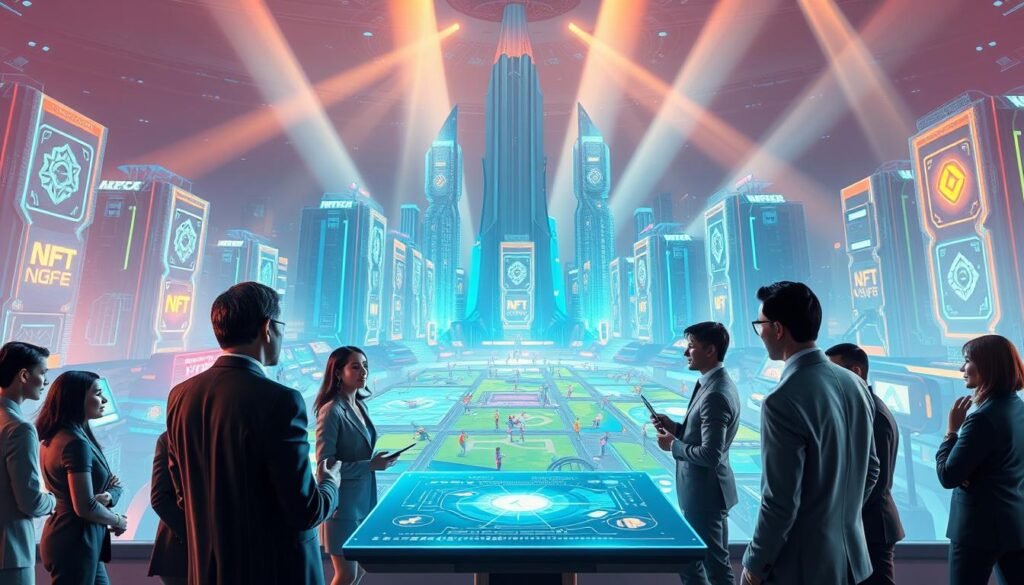
Significance for Modern Gamers
For many, these groups are a gateway to play-to-earn models. They remove the need for large upfront capital.
This democratizes access to titles where single items can cost thousands. Members receive comprehensive support systems.
Training programs and strategy guides are common benefits. Access to exclusive tournaments is another key advantage.
The significance extends beyond finances. These communities create valuable social networks.
Players learn from experienced members and build lasting relationships. They have become essential infrastructure in this space.
They act as talent incubators and market makers. Joining allows influence over which titles the group supports.
Members can share in the collective success as the asset portfolio grows.
Evolution of NFT Gaming and Guilds
From a single breakout title, an entire economic ecosystem was born. This journey has been dynamic, shaped by pivotal moments and necessary adaptations over time.
Historical Milestones and Trends
Axie Infinity ignited the movement in 2021. Its scholarship system proved organized groups could lend digital assets profitably. This created a new model for player economies worldwide.
Major organizations like Yield Guild Games emerged soon after. Dozens of groups invested heavily during the market peak. They funded expensive assets across various blockchain titles.
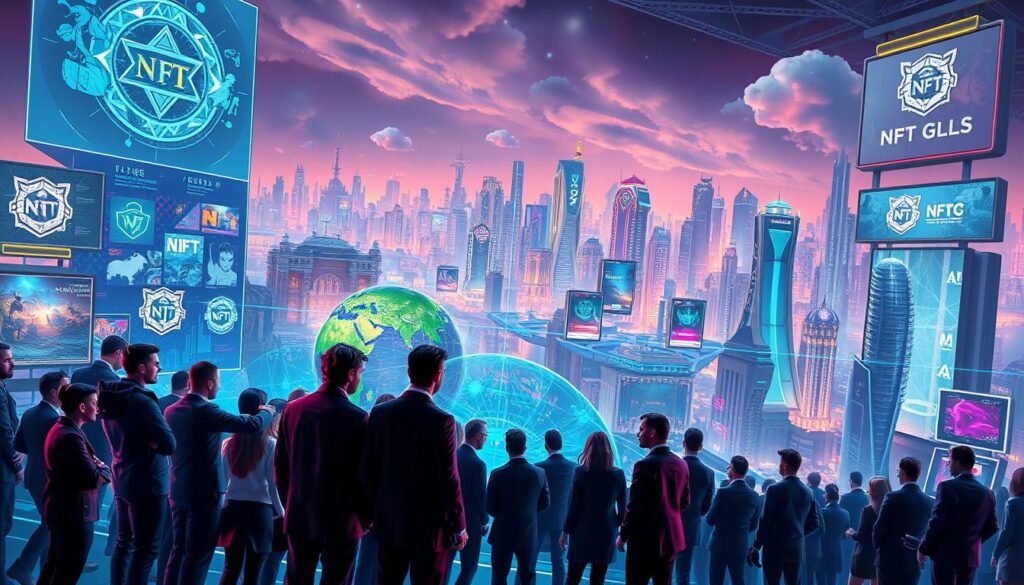
The 2022 downturn tested every group’s resilience. It forced a shift toward sustainable games over speculative projects. Sophisticated player training programs became essential for profitability.
Guilds quickly adapted to new platforms. Telegram-based games on TON were a major trend in 2024. Crowding effects in 2025 presented fresh challenges for member retention.
These organizations evolved from single-game supporters. They now manage assets across multiple games and blockchains. Technical expertise is required as titles like Shrapnel migrate between networks.
Recent trends show further expansion. Groups now engage in game development partnerships and venture capital. They are positioning themselves as essential infrastructure for the entire ecosystem.
Understanding the Blockchain and NFT Ecosystem
Multiple competing platforms form the backbone of the play-to-earn economy. Each network offers distinct technical advantages for digital ownership.
Ethereum established the standard with its ERC-721 token. High gas fees, however, pushed development toward Layer 2 solutions.
Platforms like Polygon and Immutable X emerged to address gaming needs. They provide low-cost or gas-free NFT minting and trading. This makes micro-transactions practical for everyday players.
Solana supports real-time applications with high-speed transaction processing. The Ronin blockchain was custom-built for a major title, optimizing the player experience.
Cross-chain interoperability is now essential. Leading games support multiple blockchains to capture broader audiences. This requires technical expertise from communities and blockchain game companies.
Understanding this technology helps members choose sustainable games. The underlying platform impacts asset liquidity and gameplay directly.
Criteria for Selecting NFT Gaming Guilds
Prospective members should look beyond surface-level hype and examine solid data. Smart evaluation focuses on two core areas: internal organizational factors and external market performance.
Key Evaluation Factors
First, assess the group’s foundational elements. A strong track record of profitability is essential. Look for a diverse portfolio of supported titles.
Transparent scholarship terms and accessible training materials are non-negotiable. The quality of community support directly impacts a player’s experience and success.
- Profit history and financial stability.
- Diversity of supported games and assets.
- Clarity of profit-sharing for scholars.
- Quality of educational resources and mentorship.
Market Performance Indicators
Next, analyze quantitative metrics that reveal real-world results. Total asset value shows commitment, but monthly active players are more telling.
Average earnings per member and scholar retention rates indicate sustainable value creation. These figures should point to real gameplay returns, not token speculation.
High retention suggests a positive community and reliable support system. This data separates lasting organizations from fleeting trends.
Highlighting Top Platforms and Games
The digital frontier of play-to-earn is defined by a diverse array of leading titles and underlying technologies. Several key platforms support these immersive experiences.
Axie Infinity remains a foundational title with a massive, active community. Its proven player economy offers consistent opportunities. Other major games like The Sandbox focus on virtual world creation and ownership.
High-quality titles such as Illuvium attract traditional enthusiasts. Competitive card games reward strategic skill over simple investment. Mobile-focused experiences also expand access to digital asset economies.
These experiences are powered by specialized networks:
- Ronin, optimized for smooth gameplay.
- Immutable X, enabling gas-free transactions.
- Polygon, supporting a wide variety of titles.
- Solana and Base, hosting innovative projects.
Choosing the right platform is crucial for any participant. It affects asset liquidity, transaction costs, and the overall experience. This ecosystem offers rich choices for every type of player.
Benefits of Joining NFT Gaming Guilds
Membership in a player collective unlocks a dual advantage of financial gain and social connection. These organizations provide structured pathways for participants to thrive.
Monetary and Community Benefits
The primary draw is access to valuable digital assets without large upfront costs. Scholarship programs let skilled players use group-owned items. Profit-sharing arrangements typically allocate 50-70% of earnings directly to the player.
This system removes significant financial barriers. It enables immediate income generation for talented individuals.
Beyond monetary rewards, these collectives foster strong social networks. Members collaborate on strategies, celebrate shared rewards, and support each other. This community support is invaluable during challenging gaming sessions.
Enhanced Player Support and Opportunities
Structured training accelerates skill development dramatically. Experienced mentors provide game-specific knowledge that would take months to learn alone.
Players also gain entry to exclusive tournaments and private events. Developers often partner with established groups for beta testing and feedback.
These opportunities are rarely available to solo enthusiasts. Long-term wealth building becomes a realistic goal through continued participation and asset accumulation.
best NFT gaming guilds to join 2026
A new class of professionally funded entities now offers unprecedented access to high-value gaming ecosystems.
Arbitrum Gaming Ventures represents a major funding source. It evolved from a controversial DAO program into a formal organization with tens of millions for deployment.
Ecosystems like Igloo Inc. provide unique advantages. Members gain early access to titles such as Pudgy Party and participation in token launches like PENGU.
Successful organizations demonstrate remarkable adaptability. Some, like PathDAO, pivoted to find product-market fit in new spaces like AI.
These groups maintain diverse portfolios across various blockchain platforms and game genres. This strategy mitigates risk for all players involved.
Strong governance and transparent operations build essential trust. They focus on long-term ecosystem development over short-term token speculation.
Regional specialization offers tailored support. Emerging trends like AI integration present fresh opportunities for member engagement.
Guild Strategies for Success in NFT Gaming
Sophisticated groups employ data-driven methods to optimize performance across multiple titles. Their approach blends internal discipline with external market awareness.
Best Practices from Leading Guilds
Top organizations start with rigorous scholar vetting. They assess skill, commitment, and cultural fit before lending assets.
A tiered progression system motivates members. New players start with basic scholarships and earn access to better assets over time.
Data-driven decision making is crucial. These groups track performance metrics and asset returns to allocate resources wisely. This ensures limited capital goes to the most promising games and players.
Collaborative and Competitive Strategies
Collaboration involves pooling resources for major purchases. Members share market intelligence on undervalued digital items. They also negotiate collectively with developers for better terms.
Competitive tactics focus on early identification of promising titles. Groups secure bulk NFT purchases before prices rise. Establishing a strong presence in new ecosystems is key to gaining an edge.
Diversification across multiple games and blockchains reduces risk. This strategy protects earnings during market shifts and maintains stable operations.
Community and Social Engagement in Gaming Guilds
Beyond spreadsheets and asset portfolios, the true strength of an organization lies in its people. Social bonds transform what could be a simple transaction into a vibrant network.
Members develop genuine friendships and a shared identity. This foundation is critical for long-term success.
Active Discord servers act as the primary hub for these groups. They host channels for strategy, support, and casual conversation.
Investing in community managers and regular events boosts member retention. This leads to greater knowledge sharing and loyalty, even when market conditions shift.
Specific games cultivate engaged communities through direct integration. Titles like Fableborne maintain excitement with regular playtests.
Regional approaches also prove powerful. STAN built a mobile app community in India focused on esports. Leveraging the Aptos blockchain and local influencers, it secured significant funding.
Community-led models in popular titles show how resources and strategies are pooled. Players support each other to maximize collective results. A group’s reputation for responsive support is a key evaluation criterion.
The social capital gained extends opportunities beyond a single title. These groups serve as training grounds for future industry roles.
The sense of belonging provides resilience. It helps members persist through challenging periods in the broader digital space, enriching their overall experiences.
Innovative Features in Modern NFT Guilds>
Custom-built tools and AI agents are revolutionizing how communities manage digital assets. Forward-thinking organizations now integrate sophisticated frameworks like ElizaOS.
This open-source technology creates persistent AI with memory. These agents automate tasks, analyze markets, and offer personalized strategies.
Building custom infrastructure provides a major competitive edge. Groups develop specialized dashboards and automated scholarship systems. Performance tracking analytics offer clear insights for better decisions.
Cross-platform integration is another key advancement. Modern guilds manage operations across multiple blockchains at once. Bridging tools and multi-chain wallets enable seamless value movement.
These groups also launch their own infrastructure projects. Guild-owned NFT marketplaces and lending protocols create new revenue streams. They provide utility to the entire player community.
Identity systems using zero-knowledge technology protect privacy. They track member contributions across different virtual worlds. This prevents metric manipulation and builds trust.
Decentralized autonomous organization structures give members voting power. This democratic model aligns individual and collective goals. Partnerships with game developers turn guilds into co-creators.
Such collaborations grant early access to new titles. They also influence design decisions, improving player experiences for everyone involved.
Insights from Industry Leaders
Real-world case studies from major studios reveal the path to sustainable growth in this sector. Successful leaders emphasize robust economic models over speculative mechanics.
Projects like Yuga Labs retreated from expansive plans to refocus on their core virtual world. This shift to operational execution proved vital for long-term stability.
Their acquisition of a co-development platform team from Improbable optimized production. It allowed the internal creative team to concentrate on their strengths.
The experience of developers like Delabs Games shows the value of adaptability. They pivoted from initial strategies to embrace new platforms and AI-first tools.
Operational discipline separates enduring projects from those that falter. Proof of Play faced unsustainable costs and moved to a more viable architecture.
Transparent communication during difficult transitions builds essential community trust. Treasure successfully navigated a major strategic pivot with stakeholder buy-in.
The broader gaming market is maturing through institutional partnerships. This signals a move toward mainstream adoption beyond niche audiences.
Long-term thinking remains crucial, as seen in titles with multi-year cycles. For participants, understanding these dynamics helps identify sustainable reward systems.
Tokenomics, Rewards, and Revenue Models
The financial backbone of any blockchain title is its carefully designed token economy. Sustainable player economies rely on a balance between reward distribution and value consumption.
This model must manage token emissions from gameplay against sinks that remove them. Fees, upgrades, and other mechanisms act as these essential sinks.
Dual-token systems separate utility from governance. Axie Infinity uses SLP for daily activities and AXS for competitive play.
The Sandbox employs SAND for governance and staking rewards. Illuvium distributes ILV for exploration and battles.
Newer titles introduce tokens with core utility. FABLEBORNE’s POWER and MetaKing’s LRDS token handle gas fees and governance.
Participant revenue flows from multiple interconnected streams. Active gameplay rewards form one pillar. Staking mechanisms provide complementary passive income.
NFT asset trading and rental fees add further layers. This creates a diversified income portfolio for engaged players.
The evolution is toward sophisticated economies with DeFi elements. This maturation reflects a shift from simple play-to-earn models.
Leveraging Blockchain Technology in Gaming
True asset ownership, once a theoretical concept, is now a practical reality for participants. This shift is powered by core infrastructure advancements.
Specialized tooling from providers like Sequence accelerates project development. Its acquisition by a major network signals industry consolidation. Platforms designed for flexibility attract both financial institutions and creative teams.
High-throughput networks enable seamless, real-time experiences. They process millions of transactions per second. Smart contract standards also ensure creators receive ongoing royalties from secondary sales.
Zero-knowledge proofs verify player actions without compromising privacy. Cross-chain interoperability prevents lock-in to single platforms. These technologies collectively build more liquid and sustainable digital economies.
Future Trends and Opportunities in NFT Gaming
The horizon for digital asset gaming is broadening with new technological integrations and geographic expansions. This evolution presents significant opportunities for players and investors alike, shaping the next phase of the market.
Predicted Market Shifts
Key market shifts include a strategic focus on new regions. Projects like Neon Machine are prioritizing the Chinese market through collaborations with local partners.
GalaChain’s work with government-backed infrastructure could unlock massive new player bases if regulatory frameworks prove favorable. Mainstream platform integration is another major trend.
Ubisoft’s Might & Magic: Fates will launch on both web3 and Steam simultaneously. This dual approach reduces barriers and taps into the potential of traditional gaming audiences.
Upcoming Technological Advancements
Artificial intelligence represents a core innovation with immense potential. Projects like Youmio and Avalon Corp are building AI agent ecosystems and dynamic, custom NPCs.
These tools create more immersive and responsive virtual worlds. User-generated content platforms with sophisticated building tools may unlock new creator economies.
Cross-chain functionality and Bitcoin integration are also advancing. Portal’s merger aims to tap into Bitcoin’s vast potential and holder base.
Extraction shooters like Xociety offer high-stakes gameplay where skill correlates directly with earning opportunities. Such projects diversify the space and attract competitive players.
Over time, these advancements promise to reshape how participants engage with digital asset economies.
Emerging Tech: AI, Staking, and Governance in Gaming
Artificial intelligence is reshaping how players interact with virtual worlds and manage digital assets. This shift goes beyond simple automation.
Frameworks like ElizaOS enable the creation of persistent AI agents. These tools can operate across multiple platforms and execute complex strategies.
Role of AI and Predictive Modeling
Predictive modeling analyzes blockchain data to spot trends early. This gives organized communities a competitive edge in identifying valuable opportunities. It unlocks significant earning potential.
Staking provides a way to earn passive income in titles like Illuvium. Mechanisms are evolving with more sophisticated reward systems.
Governance structures allow players to steer project development. DAOs give voting rights proportional to token holdings. This democratic approach shapes healthier digital economies.
AI agents can even participate in governance votes on behalf of players. This delegation saves time while ensuring informed decisions.
In the metaverse, AI-driven NPCs and dynamic quests personalize experiences. These unique experiences make each player’s journey distinct. The evolving metaverse reflects collective behavior patterns.
Conclusion
As blockchain technology matures, the pathways for participants to earn and build within virtual spaces have solidified. Organized communities lower financial barriers, granting access through shared resources and training.
Success in this space requires a real investment of time and skill. Players should stay informed on trends and diversify their activities across several titles.
The sector’s evolution from speculation to sustainable gaming economies marks its maturation. This shift prioritizes lasting entertainment value alongside earning potential.
Membership offers more than just money. It builds social networks, develops expertise, and opens career paths in a growing industry.
With advancing technology and global expansion, the future for engaged players is promising. The foundation for a more accessible and collaborative digital economy is now in place.

No comments yet