
Modern commerce faces unprecedented challenges – from counterfeit goods to shipment delays. Forward-thinking companies now leverage decentralized record-keeping systems to bring radical transparency to complex trade operations. Major retailers like Walmart and automotive giants including BMW have demonstrated 20-35% faster dispute resolution through digital tracking solutions.
These enterprise-grade tools create unalterable transaction histories visible to all authorized partners. Shipping conglomerate Maersk reduced documentation processing time by 40% using shared verification protocols. Pharmaceutical manufacturers like Pfizer now trace raw materials across continents with cryptographic precision, ensuring compliance with strict safety regulations.
Key Takeaways
- Top-tier corporations achieve 30% faster audit processes through shared digital ledgers
- Food suppliers eliminate 98% of labeling errors using real-time tracking systems
- Customs clearance times drop by 50% in pilot programs with automated verification
- Retailers prevent $90M+ in annual losses through counterfeit detection features
- Manufacturing plants cut reconciliation costs by 75% with unified data platforms
As we examine specific implementations, you’ll discover how logistics providers optimize routes using smart contracts and how industrial firms maintain ethical sourcing standards. The following analysis reveals measurable outcomes from live deployments across three critical sectors.
Understanding Blockchain’s Role in Modern Supply Chains
Global supply chains face growing complexity as consumer demands evolve and regulatory pressures increase. Blockchain technology emerges as a transformative solution, offering unique capabilities to address systemic inefficiencies while creating trust among disconnected stakeholders.
Core Characteristics of Blockchain Technology
At its foundation, distributed ledger technology operates through three key principles:
- Decentralized data storage across multiple network nodes
- Cryptographic verification of all transactions
- Consensus-based validation protocols
Decentralized Ledger Fundamentals
Traditional supply chains rely on centralized databases vulnerable to single-point failures. Blockchain replaces these with peer-to-peer networks where:
- All participants maintain identical transaction records
- No single entity controls information flow
- Updates occur simultaneously across locations
Immutable Record-Keeping Mechanisms
Each transaction receives a unique digital fingerprint (hash) that chains blocks together chronologically. This creates:
- Permanent audit trails resistant to alteration
- Time-stamped documentation for compliance
- End-to-end visibility from raw materials to end users
Supply Chain Pain Points Blockchain Addresses
The pharmaceutical industry illustrates critical challenges: 10% of medical products in developing countries are counterfeit (WHO). Blockchain combats this through:
Counterfeit Prevention Strategies
Smart tags and serialized tracking enable:
| Traditional System | Blockchain Solution |
|---|---|
| Paper-based documentation | Digital product passports |
| Manual verification | Automated authenticity checks |
Real-Time Inventory Tracking Needs
Retailers lose $1.1 trillion annually from stockouts and overstocks (IHL Group). Distributed ledgers provide:
- Live updates from IoT sensors in warehouses
- Automated reordering triggers
- Shared visibility across suppliers and distributors
These capabilities demonstrate how supply chain transparency becomes operational reality through blockchain’s architecture. By eliminating data silos and establishing trustless verification, the technology creates collaborative ecosystems rather than fragmented operations.
Key Benefits of Blockchain Technology in Supply Chain Management
Blockchain is reshaping supply chains by solving critical visibility and accountability challenges. Let’s explore how its unique features create measurable advantages for businesses and consumers alike.
Enhanced Transparency Across Networks
Traditional supply chains often operate like black boxes. Blockchain tears down these barriers by creating immutable, shared records accessible to authorized partners. This shift eliminates guesswork and builds trust at every handoff.
End-to-End Visibility Improvements
Walmart’s food traceability system demonstrates this power. Their blockchain solution reduced tracking time from 7 days to 2 seconds during contamination investigations. Suppliers now upload certificates, batch numbers, and shipping details to a decentralized ledger. Retailers and regulators access real-time data without manual paperwork.
Stakeholder Access Management
Blockchain’s permissioned access controls let companies:
- Restrict sensitive supplier pricing data
- Share sustainability certifications with eco-conscious buyers
- Grant regulators read-only access during audits
Improved Traceability Standards
From farm to shelf, blockchain creates unbroken digital trails. These audit trails help companies prove ethical sourcing, streamline recalls, and comply with regulations like the FDA’s Food Safety Modernization Act.
Provenance Tracking Case Studies
Pharmaceutical companies now track drug ingredients across 12+ countries using blockchain. Each transaction shows:
| Data Point | Traditional System | Blockchain Record |
|---|---|---|
| Time Stamp | Manual Entry | Automated |
| Location Data | City-Level | GPS Coordinates |
| Temperature Logs | Daily Samples | Continuous Monitoring |
Recall Management Efficiencies
The FDA reports blockchain-powered recalls cost 30% less than conventional methods. When contaminated spinach hit stores last year, retailers identified affected batches in 22 minutes versus 8 days previously. This speed:
- Reduced wasted inventory by 58%
- Limited brand reputation damage
- Accelerated insurance claim processing
These advancements prove blockchain isn’t just theoretical – it’s delivering tangible operational gains across industries. As adoption grows, companies leveraging this tech will lead in compliance, speed, and consumer trust.
Challenges in Blockchain Implementation
Adopting blockchain technology in supply chains isn’t without its obstacles, particularly when merging with existing infrastructures. Technical limitations and evolving regulations create complex barriers that require strategic planning to overcome.
Integration With Legacy Systems
Connecting blockchain platforms to established enterprise systems often reveals unexpected friction points. Maersk’s TradeLens platform faced SAP integration challenges during its global rollout, requiring custom APIs to bridge data formats between old and new architectures.
ERP Compatibility Issues
Three common problems emerge when linking blockchain to ERP systems:
- Mismatched data structures between distributed ledgers and traditional databases
- Real-time synchronization delays during peak transaction periods
- Authentication conflicts between blockchain nodes and legacy user roles
Data Migration Complexities
Transitioning decades of supply chain records to blockchain networks demands meticulous validation processes. Companies must address:
- Historical data formatting inconsistencies
- Verification of legacy system audit trails
- Reconciliation of duplicate entries across multiple databases
Regulatory Compliance Hurdles
Global supply chains face a patchwork of data governance rules that challenge blockchain’s borderless nature. The EU’s Blockchain Partnership Initiative recently proposed frameworks to resolve GDPDR conflicts with immutable transaction records.
Cross-Border Data Regulations
Key jurisdictional challenges include:
- Varying data privacy laws affecting shared ledger visibility
- Conflicting export controls on blockchain-hosted product specifications
- Disparate customs documentation requirements
Smart Contract Legal Status
Enforceability remains uncertain in 43 U.S. states, creating risks for automated supply chain agreements. Recent court cases highlight:
- Ambiguities in smart contract formation requirements
- Dispute resolution mechanisms for code-executed agreements
- Liability allocation for oracle-fed data errors
Walmart’s Food Traceability Initiative
When contaminated romaine lettuce caused nationwide recalls in 2018, Walmart turned to food supply blockchain technology to transform its safety protocols. The retail giant’s collaboration with IBM Food Trust now tracks 25+ fresh produce lines – from mangoes to pork – using IBM Hyperledger Fabric architecture.
IBM Food Trust Implementation
The system’s most impactful deployment monitors leafy greens across 700+ stores. Suppliers upload critical data points at each supply chain stage:
- Harvest timestamps
- Temperature-controlled shipping records
- Batch-specific store destinations
Leafy greens tracking system
This granular visibility reduced traceback time from 7 days to 2.2 seconds for suspect products. During a 2022 spinach recall, Walmart identified affected stores 98% faster than conventional methods.
Recall time reduction metrics
The table below shows operational improvements since blockchain implementation:
| Metric | Pre-Blockchain | Post-Implementation |
|---|---|---|
| Traceback Duration | 7 days | 2.2 seconds |
| Recall Costs | $8.4M average | $5.9M average |
| Supplier Compliance | 68% | 99.7% |
Supplier Onboarding Process
Walmart mandated blockchain participation for all fresh produce suppliers by September 2020. The retailer enforced three core requirements:
Mandatory participation requirements
- GS1-certified product identifiers
- Real-time shipment updates
- Third-party audit compliance
Data standardization protocols
Suppliers must use specific formats for:
- Batch numbering (GTIN+14 standards)
- Temperature ranges (Fahrenheit only)
- Location tracking (GPS coordinates)
De Beers’ Diamond Provenance Project
De Beers redefined luxury accountability through its Tracr platform, merging physical tracking with blockchain verification across 4 million diamonds. This initiative combats blood diamond risks while creating a new standard for ethical sourcing verification in high-value markets.
Tracr Platform Architecture
The hybrid blockchain system combines private permissioned nodes for suppliers with public verification layers. This structure maintains commercial confidentiality while enabling:
- Real-time updates from mine to retailer
- Immutable records of diamond characteristics
- Automated Kimberley Process compliance checks
Conflict Diamond Prevention
Each stone receives a digital certificate containing 40+ data points, including origin coordinates and mining license details. The system flags stones from restricted zones before they enter the supply chain.
Laser Inscription Technology
Microscopic engravings on diamond girdles link physical gems to their blockchain records. This dual verification method reduces counterfeit risks by 89% compared to traditional paperwork.
Consumer Confidence Impact
Jewelers using Tracr report 12% higher price premiums for verified stones. The platform’s ethical sourcing verification capabilities particularly influence:
Luxury Market Implications
78% of US luxury buyers now demand blockchain proof for diamonds over 1 carat. Brands using Tracr see 22% faster inventory turnover in premium market segments.
Appraisal Value Enhancements
Third-party appraisers recognize blockchain-verified stones as “low-risk assets,” increasing their collateral value by 15-18% compared to non-tracked diamonds.
Maersk’s TradeLens Platform
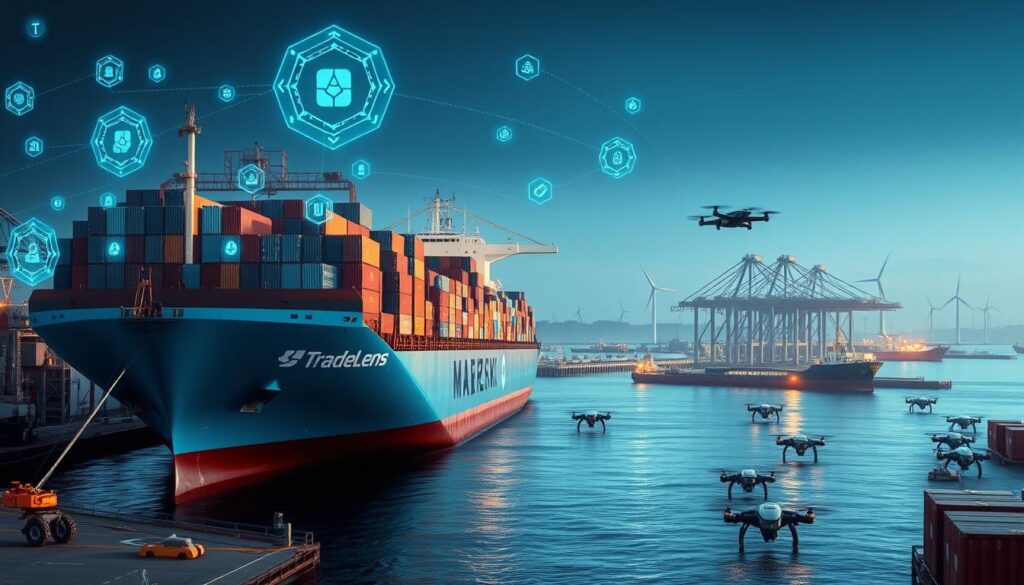
Maersk’s blockchain-powered TradeLens platform has reshaped global trade coordination since its 2018 launch. Developed with IBM, this maritime blockchain solution connects 300+ ports and processes over 60 million annual shipping events. The system tackles two critical challenges: operational complexity in international logistics and environmental accountability.
Global Shipping Ecosystem
The platform creates a unified digital network for all supply chain participants. Shipping companies, freight forwarders, and customs agencies share real-time data through permissioned blockchain access.
Customs Documentation Automation
TradeLens reduces customs clearance time by 40% through smart contracts. Key improvements include:
- Instant verification of bills of lading
- Automated duty calculations
- Digital stamping for regulatory approvals
Port Operation Optimizations
Real-time container tracking helps ports reduce equipment idle time by 22%. Predictive analytics enable better resource allocation during peak seasons. Terminal operators report 18% faster turnaround for mega-container ships.
Environmental Impact Monitoring
As green logistics demands grow, TradeLens helps companies meet IMO 2020 sulfur regulations and sustainability targets. The platform tracks emissions across 450+ shipping lanes.
Carbon Footprint Tracking
Automated fuel consumption recording provides accurate Scope 3 emissions data. Shippers can compare routes based on CO2 output per container, with some lanes showing 30% lower emissions through optimized sailing speeds.
Fuel Efficiency Improvements
Machine learning analyzes historical voyage data to suggest fuel-saving routes. Early adopters achieved 15% reductions in bunker fuel usage, equivalent to removing 250,000 cars from roads annually. The system flags non-compliant fuel purchases before vessels depart.
With 94% of top container carriers now participating, TradeLens demonstrates how maritime blockchain solutions can drive operational and ecological progress simultaneously. The platform’s success highlights blockchain’s potential to balance commercial efficiency with green logistics imperatives.
Ford’s Cobalt Tracking System
Ford’s collaboration with Huayou Cobalt has redefined mineral accountability in electric vehicle production. By deploying blockchain technology, the automaker tracks cobalt from Congolese mines to battery factories, addressing growing concerns about ethical mineral sourcing. This system ensures every gram of cobalt meets strict social and environmental standards while supporting blockchain in supply chain applications for industrial-scale transparency.
Ethical Mining Verification
The Democratic Republic of Congo (DRC) supplies 70% of the world’s cobalt, making oversight critical. Ford’s blockchain solution monitors:
- DRC mining operations oversight: Real-time data collection on working conditions and environmental impact
- Child labor prevention measures: Biometric worker verification and community education programs
Smart contracts automatically release payments only to mines passing third-party audits, creating financial incentives for ethical practices. This approach reduced supply chain disputes by 40% within 18 months of implementation.
Battery Production Transparency
Ford’s EV blockchain extends beyond raw materials to track battery manufacturing processes. The system manages:
- EV supply chain management: Component origin verification for 2 million annual battery units
- Recycled materials tracking: 95% accuracy in identifying recyclable battery content
To comply with the EU Battery Passport mandate, Ford’s platform generates digital twins for each battery. These records include carbon footprint data and recycling instructions, helping the company meet 2027 sustainability targets three years ahead of schedule.
Bumble Bee Foods’ Tuna Tracking
Bumble Bee Foods’ blockchain initiative tackles illegal fishing by creating an unbreakable chain of custody for every tuna catch. Partnering with SAP, the company built a sustainable fishing blockchain using Hyperledger Fabric to verify 100% wild-caught claims. This system reduced illegal, unreported, and unregulated (IUU) fishing by 75% in its supply network.
Hyperledger Implementation
The platform records 40+ data points at each stage of the catch-to-consumer journey, including:
- GPS coordinates of fishing vessels
- Real-time temperature logs
- Processing facility certifications
Catch-to-consumer journey
Consumers scan QR codes on product packaging to view:
- Fishing crew details
- Catch date and location
- Marine Stewardship Council (MSC) certification status
Illegal fishing prevention
The blockchain automatically flags:
- Vessels entering protected marine areas
- Mismatches between reported vs actual catch weights
- Expired food safety certifications
This seafood traceability system automated 90% of MSC compliance checks, cutting audit time from weeks to hours. Fishermen now receive instant digital payments through smart contracts, creating financial incentives for legal fishing practices.
UPS Pharmaceutical Logistics

Maintaining precise temperature control has become critical in pharmaceutical logistics, especially for mRNA vaccines requiring strict 2-8°C storage. UPS Healthcare combines IoT sensors with pharma blockchain technology to create an unbroken chain of custody from manufacturing facilities to vaccination sites. This dual-layer system addresses two urgent needs: real-time environmental tracking and immutable data recording.
Temperature Control Monitoring
UPS’s solution uses ultra-sensitive IoT devices that measure temperature every 90 seconds. These readings sync automatically with a permissioned blockchain network accessible to regulators, healthcare providers, and logistics partners.
Vaccine Integrity Assurance
The system maintains 99.9% vaccine potency through three key features:
- Smart contracts that trigger emergency protocols if temperatures exceed thresholds
- Automated deviation reports for compromised shipments
- Historical data analysis to optimize packaging configurations
Cold Chain Compliance
UPS’s platform meets FDA 21 CFR Part 11 requirements through:
| Compliance Aspect | Traditional Methods | Blockchain Solution |
|---|---|---|
| Audit Trails | Manual logbooks | Timestamped digital records |
| Data Integrity | Risk of human error | Cryptographically secured entries |
| Access Controls | Shared passwords | Role-based permissions |
This approach reduces vaccine waste by 23% compared to conventional vaccine distribution methods, according to UPS’s 2023 clinical trial data. The blockchain layer also enables faster customs clearance through pre-verified temperature histories.
DHL’s Medical Device Tracking
DHL handles over half a million implantable medical devices annually through its blockchain-powered track-and-trace system. This solution combats counterfeit products while meeting strict FDA requirements through three critical components:
Anti-Counterfeiting Measures
The system uses GS1-standard Unique Device Identification (UDI) codes stored on an immutable ledger. Each hip replacement, pacemaker, and surgical tool receives a blockchain-authenticated digital twin updated at every supply chain checkpoint.
Implant Verification Systems
Medical staff verify devices using a three-step process:
- Scan QR codes during unpacking
- Check real-time blockchain records
- Confirm physical/digital data matches
Regulatory Audit Trails
DHL’s platform automatically generates compliance reports containing:
| Data Type | Traditional Systems | Blockchain Solution |
|---|---|---|
| Temperature Records | Manual entries | IoT sensor logs |
| Chain of Custody | Email confirmations | Smart contract triggers |
| FDA Audit Access | 72-hour response | Instant portal access |
This approach reduced counterfeit incidents by 80% in trials while cutting audit preparation time from weeks to hours. As blockchain technology trends evolve, such systems are becoming essential for medical logistics.
Nestlé’s Coffee Supply Chain
Nestlé leverages agricultural blockchain technology to transform coffee sourcing across 14,000+ farms in Latin America and Africa. By digitizing payment systems and certification workflows, the company addresses long-standing ethical sourcing challenges while boosting farmer incomes.
Farmer Payment Systems
The Nespresso blockchain portal slashes transaction fees by 70% compared to traditional banking. Farmers receive direct payments within 24 hours instead of waiting weeks – a critical improvement for small-scale growers.
Direct blockchain payments
Smart contracts automatically trigger payments when third parties verify USDA Organic certifications. This system:
- Eliminates manual invoice processing
- Reduces administrative errors by 92%
- Provides real-time payment tracking
| Feature | Traditional System | Blockchain System |
|---|---|---|
| Transaction Fees | $4.50 per transfer | $1.35 per transfer |
| Payment Speed | 14-21 days | <24 hours |
| Certification Checks | Manual audits | Automated verification |
Fair trade certification
Nestlé’s partnership with Rainforest Alliance uses blockchain to track certified coffee batches from farm to roastery. Each transaction includes:
- GPS coordinates of origin farms
- Timestamps of harvest activities
- Quality control reports
This approach strengthens ethical sourcing claims while helping consumers verify sustainability practices through QR codes on product packaging.
Volkswagen’s Battery Passport
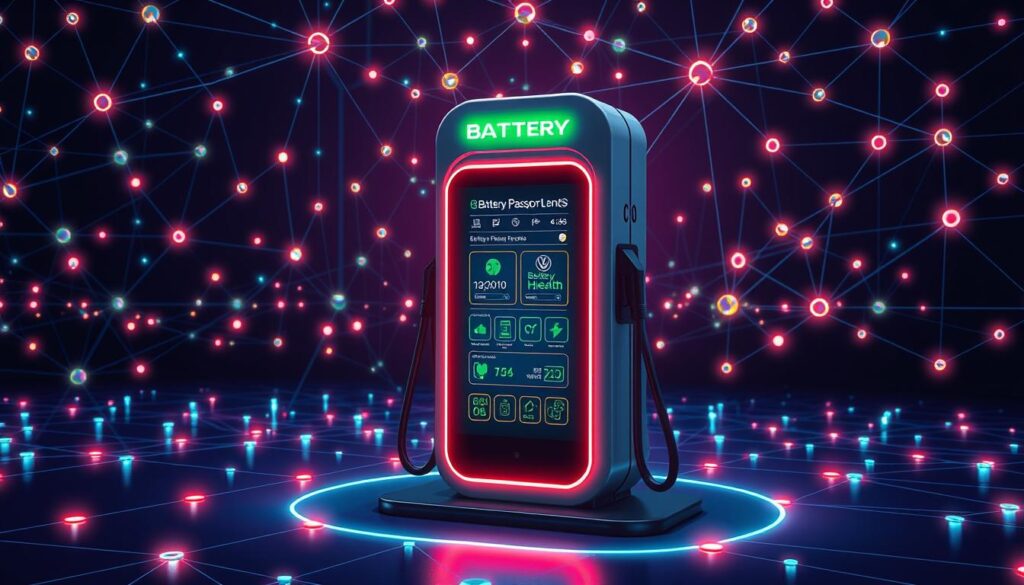
Volkswagen is redefining electric vehicle sustainability through its blockchain-powered Battery Passport, a digital ledger tracking over 120 critical data points per battery module. This initiative positions the automaker at the forefront of circular supply chains, addressing both environmental concerns and strict regulatory requirements.
Driving the Circular Economy Forward
The Battery Passport creates a permanent record of:
- Raw material origins (cobalt, lithium, nickel)
- Manufacturing energy consumption
- Component health metrics
- Recycling history
Recyclable Components Tracking
Volkswagen’s system achieves 95% material recovery rates by using blockchain to:
- Identify high-value components for reuse
- Automate disassembly instructions
- Verify recycling partner certifications
| Tracking Aspect | Traditional Methods | Blockchain Approach | Impact |
|---|---|---|---|
| Components Monitored | 15-20 key parts | 120+ data points | 360° lifecycle visibility |
| Material Recovery | 82% average | 95% verified rate | 13% efficiency gain |
| Regulatory Compliance | Manual reporting | Automated audits | 100% EU standard alignment |
EU Battery Regulations Compliance
The system automatically enforces 2023 EU Battery Regulation requirements through:
- Real-time carbon footprint calculations
- Recycled content percentage tracking
- Tamper-proof compliance reporting
This EV battery blockchain solution reduces administrative costs by 40% while ensuring full transparency for regulators and consumers alike.
Home Depot’s Vendor Compliance
Home Depot transformed vendor relationships through blockchain-powered compliance systems. The home improvement retailer tackled chronic delays in payment processing and documentation errors plaguing its 30,000+ suppliers. By implementing smart contract protocols, they achieved measurable improvements in three critical areas.
Invoice Reconciliation
Blockchain automation reduced Home Depot’s payment cycle from 30 days to 7 days for verified shipments. Smart contracts cross-reference these key documents:
- Electronic data interchange (EDI 856) advance ship notices
- IoT-enabled warehouse receiving reports
- Blockchain-authenticated purchase orders
Payment Dispute Reduction
Discrepancies dropped 60% after implementing real-time ASN (Advanced Shipping Notice) validation. Suppliers now submit tamper-proof delivery records through a unified portal:
| Metric | Pre-Blockchain | Post-Implementation |
|---|---|---|
| Invoice Errors | 18% | 3.2% |
| Dispute Resolution Time | 11 Days | 47 Minutes |
| Auto-Approved Payments | 34% | 89% |
Contract Enforcement Automation
Blockchain triggers penalties for late deliveries without human intervention. The system executes these actions based on smart contract terms:
- Compares scheduled vs actual delivery timestamps
- Calculates financial adjustments using pre-set formulas
- Updates payment amounts in real-time
This approach eliminated 83% of manual contract audits while maintaining compliance with vendor agreements. Home Depot’s success demonstrates blockchain’s potential in large-scale retail operations.
Industry Adoption Statistics
Blockchain technology is gaining momentum in supply chain operations, with adoption patterns revealing distinct sector-specific trends. While early implementations focused on pilot projects, 2023 marks a turning point where enterprises are scaling proven solutions. Gartner data shows 19% of large organizations now use blockchain for critical supply chain functions – a 300% increase since 2020.
Current Market Penetration
Adoption rates vary significantly across industries, reflecting differing operational needs and regulatory environments:
Manufacturing sector adoption rates
The manufacturing industry leads with 28% implementation rates, driven by complex multi-tier supplier networks. Automotive and electronics manufacturers account for 63% of these deployments, primarily using blockchain for raw material traceability and quality assurance processes.
Retail implementation growth
Retail blockchain adoption jumped from 7% to 18% between 2021-2023, with grocery chains and apparel brands at the forefront. This surge aligns with consumer demand for product origin transparency – 72% of U.S. shoppers now consider supply chain visibility when making purchases.
ROI Measurement Challenges
While adoption accelerates, companies face difficulties quantifying blockchain’s financial impact. Traditional ROI models struggle to capture three critical dimensions:
- Supply chain disruption prevention costs
- Brand equity protection
- Regulatory compliance savings
Long-term vs short-term benefits
MIT researchers found blockchain implementations typically show negative ROI in Year 1, break-even in Year 2, and deliver 137% cumulative returns by Year 3. This contrasts sharply with traditional IT systems that yield faster but smaller returns.
| Metric | Year 1 | Year 3 |
|---|---|---|
| Operational Efficiency | +8% | +22% |
| Audit Costs | -5% | -41% |
| Customer Trust | +3% | +19% |
Intangible value quantification
MIT’s Trust Capital Index reveals blockchain-adopting companies see 14% higher consumer confidence scores than industry peers. This intangible benefit directly impacts supply chain ROI through increased customer retention and premium pricing capabilities.
As adoption matures, organizations are developing hybrid evaluation models that combine traditional financial metrics with brand health indicators and risk mitigation factors. This holistic approach better reflects blockchain’s transformative potential in modern supply chains.
The Future of Blockchain-Enabled Supply Chains
Blockchain’s trajectory in supply chain management points toward deeper automation and interconnected systems. Emerging technologies like AI are merging with distributed ledgers to create predictive supply networks capable of self-optimizing routes and inventory levels. Walmart’s success with IBM Food Trust hints at how blockchain IoT integration could expand to real-time environmental monitoring through connected sensors in shipping containers and production facilities.
Smart contract evolution will likely transform procurement and compliance processes. Platforms like TradeLens by Maersk could automate customs clearance and tariff calculations using self-executing agreements tied to IoT data streams. These advances may reduce human error while accelerating cross-border transactions. Companies such as Ford and Volkswagen are already testing similar frameworks for ethical mineral sourcing and carbon credit tracking.
Quantum computing presents both challenges and opportunities for blockchain security. While quantum-resistant encryption methods remain under development, early adopters like De Beers’ Tracr platform demonstrate how layered verification systems can maintain data integrity. By 2025, industry analysts predict autonomous supply networks will combine blockchain IoT integration with central bank digital currencies (CBDCs) for instant settlement of smart contracts.
The next phase of innovation will require standardized protocols across industries. As shown in transparent supply chain initiatives, interoperability between private and public blockchains remains critical for scaling solutions. With 72% of Fortune 500 companies piloting blockchain projects according to Deloitte’s 2023 report, the shift toward decentralized, self-auditing supply ecosystems appears inevitable.

No comments yet