

Navigating the digital asset landscape can feel overwhelming. Market prices swing wildly, often driven by powerful emotions. This guide introduces a powerful tool designed to make sense of this chaos.
Investors often act on feelings like fear and greed. These emotions can lead to panic selling when prices drop or a rush to buy during rallies. Understanding this crowd psychology is key to smarter investing.
The tool we explore translates these complex market feelings into a simple 0-100 score. This index provides a clear snapshot of overall market sentiment. It helps both new and experienced traders gauge the emotional temperature.
Many use extreme readings as potential signals. This guide will show you how to interpret the data. We will cover its calculation, practical uses, and important limitations.
Key Takeaways
- Market sentiment is a major driver of price movements in volatile conditions.
- A specific tool quantifies collective emotion on a simple scale from 0 to 100.
- Extreme readings can sometimes signal potential market turning points.
- This tool should be one part of a broader analysis strategy.
- Mastering its use can provide insight into crowd psychology.
- Emotional investing often leads to poor financial outcomes.
- This guide will provide a comprehensive understanding of how to apply this data.
Introduction to the Crypto Market Sentiment
The digital asset space operates on powerful emotional currents that frequently dictate price movements. This collective mood, known as market sentiment, is a critical force. Understanding it provides a significant edge.
What is the Crypto Fear and Greed Index?
This specialized tool quantifies the emotional state of the market. Created by Alternative.me, it analyzes data like volatility, social media buzz, and trading volume.
The result is a daily score from 0 to 100. A low number suggests widespread panic. A high number indicates excessive optimism among participants.
Importance for Cryptocurrency Investors
For participants, this metric is invaluable. Digital asset markets are highly volatile and trade 24/7, making them prone to emotional swings.
The tool offers an objective measure of crowd psychology. It helps identify when assets might be mispriced due to extreme feelings. This can signal potential opportunities or warnings.
| Feature | Sentiment Tool | Technical Analysis |
|---|---|---|
| Primary Focus | Investor psychology and emotion | Price charts and patterns |
| Data Sources | Social media, volatility, surveys | Historical price, volume |
| Key Strength | Identifying potential market extremes | Defining entry/exit points |
| Best Use Case | Gauring overall market temperature | Short-term trade timing |
By incorporating this data, individuals can make more informed choices. It acts as a counterbalance to the noise often found in online communities.
Understanding Market Emotions in Cryptocurrency
At the heart of every significant price swing in digital assets lies a powerful, often overlooked force: collective investor emotion. These feelings create the market cycles that define the landscape. Mastering this psychological aspect is crucial for long-term success.

The Role of Fear and Greed
Two primary feelings dominate trader psychology. Panic often takes hold during price drops, leading to rushed sales. This can cause assets to be sold for less than their potential value.
Conversely, excitement builds during rallies. This enthusiasm can push people to invest without proper research. They might buy at peak prices, driven by a concern about missing gains.
Emotional Impact on Trading Decisions
Choices driven by strong feelings often lead to common errors. These include purchasing during highs and selling during lows. Such reactions can hurt portfolio performance over time.
The constant flow of news and social media chatter amplifies these effects. It becomes difficult to stick to a logical strategy. Having a tool to measure this collective mood provides a valuable anchor.
Recognizing these patterns allows for more disciplined choices. It helps participants avoid the herd mentality. This awareness is a key step toward smarter, more profitable strategies.
How the Crypto Fear and Greed Index is Calculated
Creating a reliable sentiment score requires combining diverse market indicators with mathematical precision. The system developed by Alternative.me processes multiple data sources into a single daily reading.
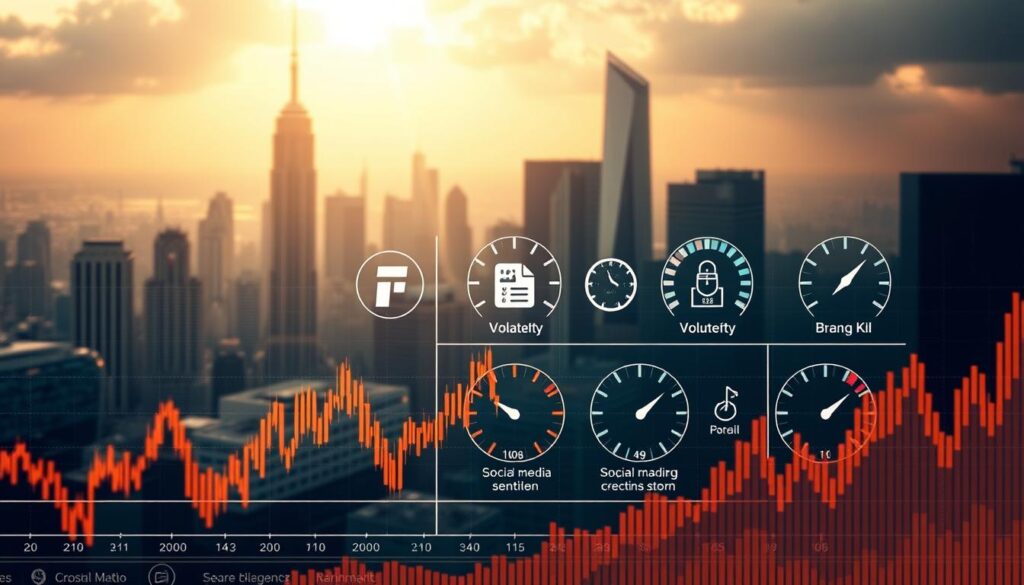
This sophisticated approach ensures the index calculated reflects genuine market conditions rather than temporary noise.
Key Data Sources and Metrics
The calculation incorporates five active metrics with specific weightings. Each component measures different aspects of market behavior.
Volatility accounts for 25% of the score, tracking price swings against historical averages. Market momentum and trading volume contribute another 25%, showing whether activity is increasing or decreasing.
Social media analysis represents 15%, scanning Twitter for relevant discussions. Bitcoin dominance makes up 10%, indicating investor preference for established assets.
Search trends from Google complete the picture with another 10% weighting. This comprehensive data collection provides a multidimensional view.
Proprietary Calculation Methods
The proprietary algorithm normalizes each data stream to a 0-100 scale. It then applies the predetermined weights to create the final composite score.
The system compares current values against 30-day and 90-day averages. This approach identifies abnormal patterns that signal emotional extremes.
This method for how the greed index calculated focuses on deviations from normal behavior. The resulting index updates daily, providing consistent market insight.
Mastering crypto fear and greed index interpretation
Effective use of this sentiment gauge depends on recognizing what different numerical ranges signal about collective investor behavior. The tool’s 0-100 scale is divided into five distinct zones that reflect varying emotional states.
Interpreting Extreme Fear and Extreme Greed Readings
The most significant insights come from understanding the extremes. When the reading falls between 0-24, it indicates widespread panic among participants. This extreme fear zone often coincides with major price declines.
Conversely, scores from 75-100 signal extreme greed conditions. During these periods, excitement and FOMO dominate decision-making. Many investors buy aggressively without proper valuation analysis.
Between these extremes lie more moderate ranges. The 25-49 zone shows cautious sentiment, while 50-74 indicates growing confidence. A neutral reading around 50 suggests balanced market psychology.
| Zone Range | Color Code | Market Psychology | Typical Conditions |
|---|---|---|---|
| 0-24 | Orange | Extreme Fear | Panic selling, negative news cycles |
| 25-49 | Amber/Yellow | Fear | Corrections, uncertainty periods |
| 50 | Neutral | Balanced | Rational decision-making |
| 51-74 | Light Green | Greed | Confident buying, optimism |
| 75-100 | Green | Extreme Greed | FOMO-driven rallies, overconfidence |

Sustained readings carry more weight than temporary spikes. A prolonged period in either extreme zone often signals stronger contrarian opportunities. The score should complement other analysis methods rather than dictate automatic actions.
Understanding these patterns helps investors recognize when emotions may be distorting asset prices. This awareness supports more disciplined approaches to portfolio management.
Using the Index as a Trading Tool
For active market participants, this sentiment gauge transforms from a simple metric into a practical tactical instrument. Many professionals incorporate it into their daily routine to gauge crowd psychology.
The primary value lies in identifying moments when collective emotion may have pushed asset values away from their fundamental worth. This creates potential entry and exit points for disciplined traders.
Identifying Potential Buying Opportunities
When readings dip into the extreme fear zone, it often signals potential accumulation opportunities. Panic selling can drive prices below reasonable levels.
Historical data shows that sustained periods of intense fear frequently precede market recoveries. Savvy traders watch for these conditions to establish positions.
This approach requires confirmation from other technical indicators. Volume patterns and support levels help validate the sentiment signals.
Recognizing Signals for Market Corrections
Conversely, extreme greed readings serve as warning flags for potential pullbacks. Excessive optimism can inflate prices beyond sustainable levels.
When the metric reaches elevated zones, it suggests the market may be overheating. This doesn’t guarantee an immediate reversal but indicates heightened risk.
Traders use these signals to adjust their risk management strategies. They might tighten stop-loss orders or take partial profits.
| Zone | Trading Action | Risk Level | Confirmation Needed |
|---|---|---|---|
| Extreme Fear (0-24) | Consider accumulating | Moderate | Technical support |
| Fear (25-49) | Monitor for entries | Low-Moderate | Volume confirmation |
| Neutral (50) | Maintain strategy | Average | Market context |
| Greed (51-74) | Exercise caution | Elevated | Momentum indicators |
| Extreme Greed (75-100) | Consider reducing exposure | High | Price divergence |
Successful market participants treat this instrument as one component of comprehensive analysis. It works best when combined with other data points and sound risk management practices.
Comparing the Index with Other Market Indicators
Market analysis tools come in various forms, each providing unique insights into different aspects of trading behavior. While traditional technical indicators focus on price patterns, the sentiment gauge measures collective psychology through diverse data sources.
Differences from Traditional Technical Analysis
Technical metrics like RSI and moving averages analyze historical price action to identify trends. These tools excel at pinpointing entry and exit points based on chart patterns.
The sentiment approach differs fundamentally by capturing emotional drivers before they fully manifest in price movements. It incorporates social media buzz and search trends that reflect broader market psychology.
Unique Advantages for Crypto Trading
Digital asset markets experience particularly pronounced emotional cycles due to high retail participation. The 24/7 nature of cryptocurrency trading amplifies these psychological swings.
This index provides early warning signals that often precede price movements. Many traders combine it with market sentiment analysis tools for comprehensive assessment.
Unlike customizable technical indicators, this standardized gauge offers a common reference point for the entire community. It complements on-chain metrics by showing how investors feel about network activity.
Historical Case Studies and Data Insights
Examining historical data reveals how market psychology has shaped significant price movements in digital assets. Past events provide valuable lessons about crowd behavior during different market conditions.
These case studies show patterns that help investors understand potential turning points. They demonstrate how emotional extremes often precede major price changes.
Notable Periods of Extreme Emotions
The March 2020 COVID-19 crash created intense panic across financial markets. During this time, the sentiment gauge hit extremely low levels as investors sold assets rapidly.
Bitcoin’s price experienced sharp declines during this period of widespread concern. This shows how global events can trigger similar reactions in both traditional and digital markets.
In contrast, November 2021 saw euphoria reach peak levels just before a major market top. The reading showed extreme optimism one day before Bitcoin hit its then-record high.
By November 2022, sentiment had completely reversed as prices fell dramatically. This rapid shift demonstrates how quickly market psychology can change.
Lessons from Past Market Movements
Historical patterns reveal that extreme readings often signal potential trend changes. However, the timing of these reversals can vary significantly.
The data shows that sentiment can remain elevated for extended periods during bull markets. High readings don’t necessarily mean an immediate correction is coming.
Recent all-time highs have occurred with more moderate sentiment readings compared to previous cycles. This suggests evolving market dynamics and participant behavior over time.
Understanding these historical patterns helps investors make more informed decisions. It provides context for current market conditions and potential future developments.
The Impact of Social Media and Trends on the Index
Modern digital markets are heavily influenced by real-time online conversations and search patterns. These platforms capture immediate emotional shifts among participants.
Social Media Sentiment Analysis
Twitter activity contributes 15% to the overall score. Sophisticated algorithms scan for bitcoin-related hashtags and mentions.
The system measures both post volume and engagement speed. Unusually high interaction rates signal excessive optimism among retail investors.
Viral spread of digital asset content indicates heightened emotional engagement. This rapid information distribution reflects collective market psychology.
Search trend data adds another 10% through Google Trends analysis. Volume changes for specific queries reveal public concerns.
Negative searches like “bitcoin crash” indicate fearful sentiment. Positive queries like “how to buy bitcoin” suggest bullish behavior.
This combination makes the tool responsive to rapid sentiment shifts. News events trigger immediate spikes in discussion and searching.
Advantages and Limitations of the Index
Understanding both the strengths and weaknesses of any analytical tool is essential for its proper application. This sentiment gauge offers valuable insights but also comes with specific constraints that users should acknowledge.
Key Benefits for Investors
The primary strength of this approach lies in quantifying abstract emotional concepts through objective, measurable data points. By combining multiple metrics, it provides a comprehensive view of market psychology that single sources cannot capture.
The tool’s accessibility represents a significant advantage for market participants. Its simple 0-100 scale makes complex sentiment understandable for newcomers while remaining valuable for experienced traders.
Daily updates and extensive historical information allow users to identify patterns and compare current conditions with previous cycles. This helps recognize when sentiment reaches historically significant extremes.
Potential Drawbacks and Considerations
A major limitation involves the primary focus on bitcoin, which may not reflect sentiment across thousands of other digital assets. Different projects experience unique dynamics based on specific factors.
The reliance on publicly available data means the approach might miss crucial elements like institutional trading flows. These private transactions significantly impact prices but occur away from public view.
The backward-looking nature describes recent conditions rather than predicting future movements. Rapid sentiment shifts during major news events may occur faster than daily updates can capture.
The proprietary calculation method prevents users from verifying exact weightings or adjusting components. This requires trust in the methodology without full transparency about how different factors contribute.
Strategies to Manage Emotions and Make Informed Decisions
Controlling one’s psychological responses separates profitable investors from reactive speculators. Market participants can implement specific approaches to maintain discipline during volatile periods.
Following Warren Buffett’s famous advice helps traders avoid crowd psychology traps. This approach encourages thinking differently from the majority during emotional extremes.
Incorporating Dollar-Cost Averaging
Dollar-cost averaging removes timing pressure from investment decisions. This strategy involves consistent purchases over extended periods.
Regular investments smooth out price volatility effects. They help participants avoid emotional reactions to short-term market movements.
Diversification and Risk Management Techniques
Spreading capital across different assets reduces emotional stress during downturns. Portfolio diversification minimizes single-asset risk exposure.
Financial experts recommend establishing clear rules before entering positions. This preparation prevents impulsive choices driven by market sentiment swings.
Professional advice emphasizes ignoring irrelevant noise and crowd behavior. These techniques support rational decision-making when emotions run high.
Conclusion
The true value of any analytical framework lies in its practical application within a comprehensive strategy. Mastering the interpretation of this particular tool provides investors with a valuable perspective on collective psychology.
This approach successfully transforms abstract emotional concepts into quantifiable data. It helps identify when market sentiment reaches significant extremes that may signal opportunities or risks.
However, the tool remains descriptive rather than predictive. It cannot guarantee future price movements on its own.
Effective use requires combining this information with other analysis methods. Technical indicators, fundamental research, and broader economic awareness create a more complete picture.
Historical patterns show that extreme readings often precede market turning points. Yet timing and duration vary significantly between cycles.
Ultimately, successful investing demands balancing multiple information sources. Maintaining disciplined risk management separates consistent results from emotional reactions.
FAQ
What is the main purpose of the Fear and Greed Index?
The primary purpose is to measure the current emotional sentiment of the market. It helps investors understand whether prices are being driven by fear or greed, which can signal potential turning points.
How often is the Fear and Greed Index updated?
The index is typically updated daily. It uses real-time data from various sources like price volatility, social media trends, and trading volume to provide a current snapshot of market momentum.
Can the index accurately predict future price movements?
While it is a powerful tool for gauging sentiment, it is not a standalone predictor. It should be used alongside other indicators like Bitcoin dominance and technical analysis for a more complete picture.
What does an "Extreme Fear" reading indicate for traders?
An “Extreme Fear” score often suggests that investors are overly worried. This can sometimes present a potential buying opportunity, as assets may be undervalued due to widespread panic selling.
What are the limitations of relying on this sentiment indicator?
The main limitation is that it reflects crowd psychology, which can be irrational. It may not account for fundamental shifts or external events. It’s best used as one piece of a broader investment strategy.
How does social media influence the index’s calculation?
Social media platforms are a key data source. The tool analyzes posts and trends to gauge public opinion. High volume and positive sentiment can push the score toward greed, while negative buzz can increase the fear reading.

No comments yet