

The digital asset landscape is evolving rapidly. In 2024 alone, over $4.2 billion in digital assets were given away to users. This trend is projected to grow by 35% in 2025 as new ventures enter the space.
These promotional events have transformed. They are no longer simple giveaways. Today, they are sophisticated marketing tools that build communities and drive user adoption.
With so many initiatives launching, choosing the right platform is critical. A successful strategy requires careful planning. It must ensure fairness, security, and transparency for all participants.
Key Takeaways
- The value of assets distributed through these promotions has reached billions of dollars.
- These strategies are powerful for attracting new users and rewarding loyal supporters.
- Fairness and security are now fundamental requirements for any successful initiative.
- Platform selection is a major factor in differentiating your project in a crowded market.
- Effective planning goes beyond just handing out digital rewards.
Introduction to Airdrop Campaigns in the Crypto Landscape
Community-focused giveaways are reshaping how new digital platforms attract and retain participants. These initiatives create excitement while building loyal supporter bases.
What Is an Airdrop in Cryptocurrency?
An airdrop represents a strategic marketing approach where projects distribute digital assets to potential supporters. Participants receive these rewards for completing simple tasks.
Common requirements include joining social channels or performing small on-chain actions. This process helps identify genuine community members.
Benefits of Airdrop Strategies for Projects
These initiatives offer multiple advantages for emerging platforms. They effectively raise awareness in competitive markets.
Airdrops build engaged communities while creating network effects. The strategy provides cost-effective user acquisition compared to traditional marketing methods.
Receiving free assets generates strong psychological connections. This approach often leads to organic growth through word-of-mouth promotion.
Key Elements of a Cryptocurrency Airdrop Token Distribution Campaign
The backbone of any successful digital asset promotion lies in its automated infrastructure and transparent processes. Modern platforms handle complex operations that ensure fairness and efficiency.

The Role of Smart Contracts and Automation
Smart contracts form the foundation of reliable promotional systems. These self-executing agreements automatically verify participant eligibility and track task completion.
The automation process begins with wallet verification. Systems check each participant’s credentials before allowing them to join the initiative. This prevents fraudulent activities and ensures only genuine supporters participate.
Once users complete required actions, the smart contract triggers the reward mechanism. This eliminates manual errors and provides transparent on-chain records. Everyone can verify the fairness of the process.
Advanced platforms incorporate real-time analytics. Project teams can monitor engagement levels and distribution metrics without manual intervention. This data helps optimize future community-building efforts.
Security remains paramount throughout the automated process. Audited smart contracts protect both projects and participants from potential exploits. The system ensures tokens reach only verified wallets that meet all criteria.
How Cryptocurrency Airdrop Token Distribution Campaigns Work
Effective promotional strategies in the blockchain space involve systematic implementation processes. These initiatives follow a clear roadmap from planning to completion.

Each phase builds upon the previous one to create a cohesive experience. Proper execution ensures both project goals and participant satisfaction.
Step-by-Step Campaign Execution
The first step involves defining clear objectives for the initiative. Teams must decide what they want to achieve with their promotional effort.
Next comes budget allocation and method selection. This critical step determines how resources will be distributed to users.
Marketing planning forms the third essential step. Outreach through social channels and partnerships helps attract genuine participants.
Finally, performance tracking completes the process. Teams monitor engagement levels and distribution effectiveness.
Distribution Methods and User Verification
Projects typically choose from three main distribution approaches. Snapshot methods reward existing wallet holders automatically.
Manual distribution allows targeted sending to selected addresses. Automated systems use smart contracts for scalable operations.
User verification prevents fraudulent activities. Wallet history checks and minimum holdings filter out inauthentic participants.
Advanced systems incorporate CAPTCHA challenges and reputation scoring. These tools ensure tokens reach real community members.
Selecting the Right Airdrop Platform for Success
Your choice of platform directly impacts the fairness, security, and overall success of your promotional event. In the competitive 2025 market, this decision is more critical than ever.
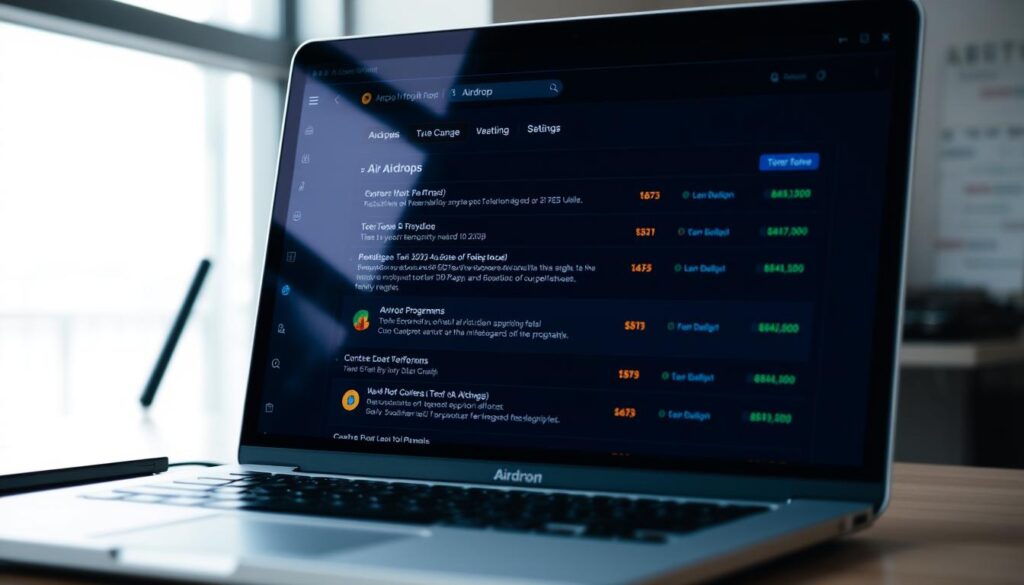
Platform Types: Manual, Automated, and Launchpad-Integrated
Different systems offer varying levels of control and automation. Manual platforms provide flexibility but demand significant hands-on effort from your team.
Automated types use smart contracts for seamless, large-scale operations. This reduces human error and enhances transparency.
Launchpad-integrated solutions like MemeX or Pump.fun are powerful. They combine fundraising and community growth within a single ecosystem.
CEX Tools vs. Decentralized dApps
Centralized exchange (CEX) tools, such as Binance Launchpad, offer immense reach and user-friendly interfaces. They are beginner-friendly but come with specific listing requirements.
Decentralized dApps like Galxe and Zealy provide full autonomy. Teams can set custom rules and use Web3-native verification methods.
These platforms offer unmatched transparency and community ownership. The trade-off is a higher technical setup complexity for your project.
Evaluating Platform Features: Security, Compliance, and UX
Modern blockchain initiatives require platforms that prioritize security while maintaining user-friendly experiences. The evaluation process involves three critical pillars that determine campaign integrity.
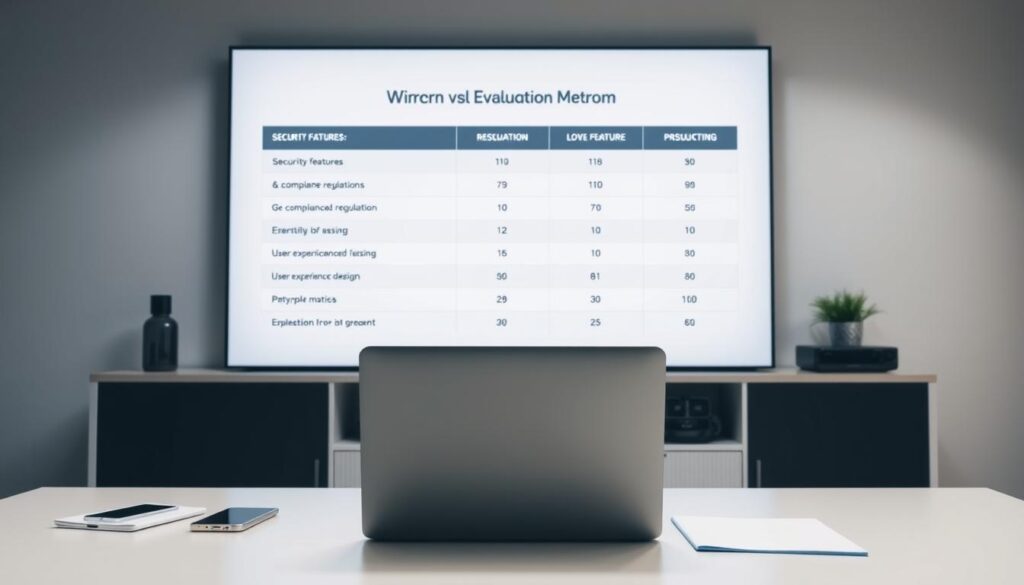
Security forms the non-negotiable foundation. Platforms must integrate KYC/AML protocols and undergo smart contract audits. Compliance with GDPR and MiCA regulations ensures legal cross-border operations.
Implementing Sybil-Resistance and Anti-Fraud Measures
Advanced platforms employ proof-of-humanity verification and AI-driven wallet analysis. These tools detect multi-wallet farming and abnormal activity patterns.
Real-time monitoring provides valuable engagement data. Teams can track wallet behavior and user interactions effectively.
Ensuring Multi-Chain and Token Standard Support
Flexible platforms support ERC-20, BEP-20, and SPL tokens across multiple chains. Layer-2 integration reduces gas fees and accelerates transactions.
This multi-chain capability enhances user accessibility. It aligns with comprehensive token allocation strategy for broader reach.
Analytics dashboards transform raw participation numbers into actionable insights. Teams monitor conversion rates and engagement metrics for optimization.
Strategizing Airdrop Execution: Goals, Budget, and Tokenomics
Before launching any promotional initiative, teams must establish clear goals and align them with their broader project vision. This strategic approach ensures resources are used effectively and supports long-term growth.
Defining Objectives and Allocating Tokens
Awareness campaigns should target crypto influencers and media outlets. This approach maximizes visibility across relevant communities.
User acquisition requires stricter eligibility criteria. Teams might set minimum wallet age or app activity requirements.
Engagement-focused strategies reward participants for creating content or providing feedback. Retention efforts often use vesting schedules to encourage long-term commitment.
Aligning Campaign Strategy with Project Tokenomics
Total allocation amounts must fit within the overall marketing budget. Individual user caps prevent whale dominance and ensure fair distribution.
Vesting mechanisms protect against immediate selling pressure. Anti-fraud filters verify participant authenticity through wallet checks and activity analysis.
Engaging and Growing the Crypto Community
Building a lasting digital community requires turning one-time recipients into active contributors. The most successful initiatives merge marketing with entertainment to keep users involved long after the initial event.
Platforms like QuestN and Layer3 excel at this. They transform standard promotions into interactive quests.
These tasks can be social, on-chain, or content-driven. This approach rewards genuine participation and builds a strong, loyal supporter base.
Incentivizing User Engagement with Referrals and Quests
Gamification is a powerful tool for boosting engagement. Leaderboards and streak rewards create friendly competition.
Referral programs are especially effective for growth. They encourage users to invite friends, creating viral loops.
For example, some projects offer extra rewards for each successful referral. This model helped expand the user base for assets like Binance Coin.
Quests with tiered rewards, like unlocking a secret NFT after completing tasks, can increase participation rates significantly. They make the process fun and rewarding.
| Strategy | Primary Goal | Key Feature | Expected Outcome |
|---|---|---|---|
| Referral Bonuses | Viral Growth | Rewards for inviting new members | Exponential community expansion |
| Gamified Quests | Active Participation | Tiered tasks and unlockable rewards | Up to 60% higher engagement |
| Leaderboard Systems | Competitive Drive | Public ranking of top contributors | Increased effort and content creation |
Balancing these fun elements with strong identity verification is crucial. It ensures rewards go to real people, not automated systems.
By designing events that value effort, projects can cultivate a vibrant community. This fosters long-term loyalty and advocacy. Learning how to participate in these events is the first step for any user.
Leveraging Social Media and Influencer Marketing
Strategic promotion transforms a simple giveaway into a major brand-building event. Your existing community serves as your most powerful marketing asset. Direct engagement creates natural excitement that spreads organically.
Platforms like Telegram, Discord, and X/Twitter become vital channels for interaction. Host AMA sessions with project founders to build trust. Countdown events with daily teasers maintain anticipation throughout the process.
Integrating PR and Content Marketing for Wider Reach
Collaborating with Web3 influencers expands your reach exponentially. Choose between niche creators for targeted audiences or macro influencers for mass visibility. These partnerships build immediate credibility with new supporters.
Sponsored content and co-drops with reliable creators amplify your message. Press releases through crypto publications and podcasts add third-party validation. Listing on trusted aggregators makes your initiative discovery-ready for interested participants.
Educational content bridges knowledge gaps and builds user confidence. Create clear guides, FAQs, and video tutorials that drive action. Translating materials into major languages improves accessibility for global markets.
Meme competitions and community challenges turn supporters into brand advocates. These viral activities increase organic reach while making participation fun. The right marketing mix attracts genuine supporters and drives sustainable growth.
Measuring and Analyzing Campaign Performance
Numbers tell the real story behind any marketing effort. Modern platforms provide powerful dashboards that track every aspect of your initiative.
These tools move beyond simple headcounts. They measure genuine engagement and long-term value.
Utilizing Data-Driven Analytics for Campaign Optimization
Real-time dashboards show which channels attract the best supporters. You can see referral sources and user activity levels.
This data helps you adjust rewards and tasks while the event is live. It turns guesswork into informed decisions for immediate improvement.
Tracking post-event behavior is crucial. You can measure how many recipients stay active, trade, or participate in governance.
Refining Future Campaigns with Actionable Insights
Each initiative provides lessons for the next. Analyze what worked to replicate success.
Identify which partner collaborations drove the highest quality participants. Use these insights to allocate your budget more effectively next time.
This cycle of testing and learning creates continuous growth. It ensures each effort is smarter than the last.
| Key Metric | What It Measures | Optimization Action |
|---|---|---|
| Wallet Retention | Long-term user activity | Adjust vesting schedules |
| Referral Conversion | Effectiveness of viral loops | Increase referral bonuses |
| Task Completion Rate | Engagement level difficulty | Simplify complex tasks |
By focusing on these metrics, you build a foundation for sustained growth. Data transforms one-time events into a strategic engine for community building.
Conclusion
Successful digital initiatives require a careful balance of strategic planning and community engagement. These promotional strategies have evolved into sophisticated tools for building loyalty and driving adoption.
The right platform choice directly impacts your project’s ability to attract genuine supporters. Fair verification processes ensure rewards reach real users who contribute meaningful value.
Data analytics provide the insights needed for continuous improvement. Tracking participation metrics helps refine future strategies for better growth outcomes.
When executed properly, these initiatives create lasting relationships with communities. They transform one-time participants into long-term holders and advocates.
In today’s competitive market, strategic execution separates successful projects from the rest. The comprehensive approach outlined here provides the foundation for sustainable growth.
FAQ
What is a crypto airdrop?
A crypto airdrop is a marketing tactic where a project distributes free digital assets, or tokens, directly to users’ wallets. This is often done to reward early supporters, increase awareness, and drive adoption of a new project within the community.
What are the main benefits for projects running these campaigns?
These initiatives offer significant advantages. They help build a loyal user base, generate buzz on social media, and decentralize ownership of the asset. A well-executed strategy can lead to sustainable growth and long-term engagement.
How does the distribution process typically work?
The process usually involves users completing specific tasks, like joining a Telegram group or sharing content. After verification, the assets are sent automatically to participants’ wallets using a smart contract, ensuring a secure and efficient transfer.
What should I look for when choosing a platform to host a campaign?
Key features to evaluate include strong security measures to prevent fraud, a user-friendly interface, and support for multiple blockchain networks. Platforms should also offer tools for user verification and detailed analytics to track performance.
How can a project ensure its airdrop campaign is successful?
Success hinges on clear goals, a realistic budget, and a strategy that aligns with the project’s overall tokenomics. Engaging the audience with creative tasks and leveraging influencers for wider reach are also crucial for achieving strong results.
What metrics are important to measure after the campaign?
It’s vital to analyze data like participant growth, engagement rates, and market activity following the distribution. These insights help refine future marketing efforts and understand the campaign’s true impact on brand awareness and adoption.

No comments yet