

Your digital assets exist in a frontier where security is entirely your responsibility. Once cryptocurrency is gone, recovering it is nearly impossible.
This harsh reality was shown by James Howells. He lost 8,000 bitcoin, worth around $1 billion, after discarding a hard drive. His story is a powerful lesson in the finality of loss.
Crypto faces many dangers. Exchange breaches, phishing scams, and malicious software are constant threats. Human error and hardware failure also pose significant risks.
A strong defense requires a multi-layered strategy. It combines technology, constant vigilance, and proven methods. This approach covers storage, authentication, and transaction management.
Unlike traditional banks, the decentralized world offers no deposit insurance. You bear full responsibility for safeguarding your holdings. Implementing robust crypto security best practices is essential.
The following guide provides clear, actionable steps. These strategies work for active traders and long-term investors alike. With the right measures, you can secure your funds and gain peace of mind.
Introduction to Cryptocurrency Security
Unlike bank accounts, cryptocurrency holdings lack institutional safeguards. The burden of protection rests entirely on the owner. This makes crypto security a personal mandate.
The decentralized system offers no deposit insurance. There is no central authority to reverse fraudulent transactions. Investors bear full responsibility for their digital wealth.
Why Crypto Security Matters
Traditional finance has safety nets like FDIC insurance. Crypto operates without these protections. Once a transaction is confirmed on the blockchain, it cannot be undone.
This immutability is a double-edged sword. It prevents censorship but also means stolen funds are gone forever. There is no higher authority to file a claim with.
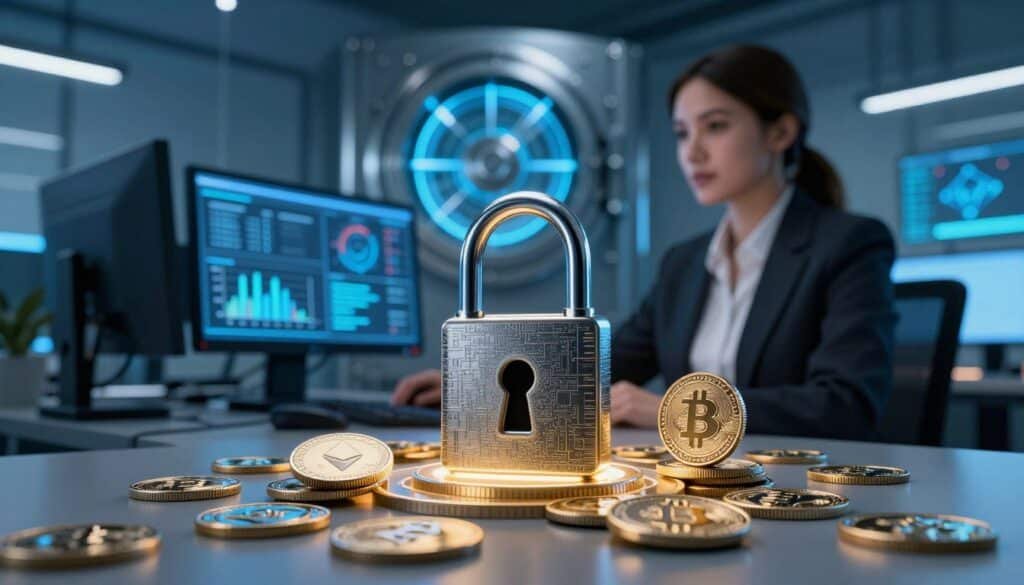
Lessons from Real-World Scenarios
James Howells lost 8,000 bitcoin by discarding a hard drive. His digital wallet was on that drive. Over 12 years, that loss grew to about $1 billion.
Centralized exchanges hold billions in customer assets. Custodial wallets managed by exchanges are lucrative targets. These platforms attract sophisticated hackers. High-profile breaches have caused massive investor losses.
Risk vectors include hardware failures, phishing scams, and human error. Active traders need quick access, while long-term holders prioritize ultimate safety with hardware wallets. Vigilance is non-negotiable for all crypto participants.
Understanding Crypto Wallets and Storage Solutions
The term “wallet” can be misleading when discussing digital asset storage. Your cryptocurrency exists as data on a blockchain. A bitcoin wallet actually stores the cryptographic keys that control access to it.
A public key is like a bank account number. Others use it to send crypto to your address. The private keys are secret passwords. They authorize spending or moving your holdings.
Different wallet types offer varying balances of security and convenience.
Overview of Hot, Cold, and Warm Wallets
Hot wallets are software applications. They remain connected to the internet on your phone or computer. This makes them ideal for frequent transactions.
Their constant online presence also increases vulnerability. Cold wallets are physical hardware devices. They operate completely offline. This isolation provides strong resistance to remote attacks.
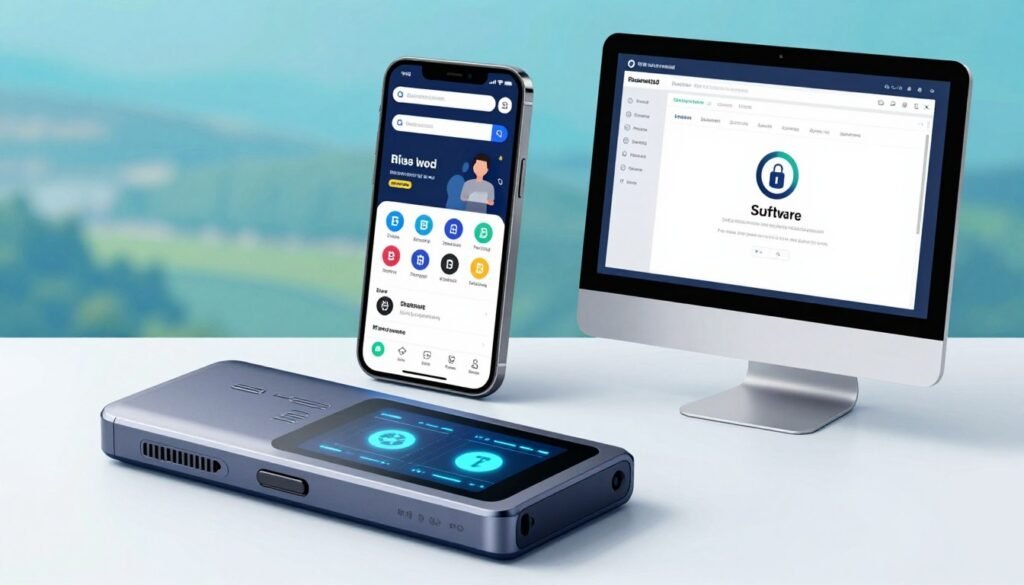
Warm wallets offer a middle ground. They can connect online but require an extra offline step to approve movements. This adds a security layer without full cold storage inconvenience.
Custodial vs. Self-Custody Wallets
Custodial wallets are managed by a third party, like an exchange. You do not hold the keys. This setup introduces third-party risk, including potential exchange insolvency.
With self-custody wallets, you control the private keys directly. This eliminates reliance on any other company. The trade-off is bearing full responsibility for securing those keys yourself.
Your choice depends on balancing ease of use with ultimate security for your crypto.
Essential Strategies: How to Protect Crypto from Hackers
Creating a strong password forms the essential foundation for safeguarding your assets. This first layer of security prevents unauthorized account access.
You must use a unique password for every exchange and wallet. A breach in one service should not compromise others.
Implementing Strong Passwords and Two-Factor Authentication
Your primary password should be at least 12-16 characters long. Combine uppercase and lowercase letters, numbers, and symbols.
Avoid dictionary words or personal information like birthdays. A reputable password manager generates and stores complex passwords securely.
Two-factor authentication (2FA) adds a vital second layer. After entering your password, you must provide a second proof of identity.
Using an authenticator app like Google Authenticator is far safer than SMS. SIM-swap attacks can intercept text message codes.
Using Enhanced Authentication Measures
For maximum safety, consider a dedicated hardware device like a Yubikey. This requires physical possession of the device to complete authentication.
Biometric methods like fingerprint scanning offer another layer. They should complement, not replace, strong passwords and 2FA.
Enable multi-factor authentication for all critical actions. This includes withdrawals and changes to account settings.
Applying these layers creates a robust defense for your crypto. For a comprehensive guide on wallet safety, learn how to secure your crypto wallet.
Securing Digital Assets with Cold Storage and Hardware Wallets
Physical hardware wallets represent the pinnacle of safeguarding cryptocurrency holdings. These specialized devices keep your private key completely offline. This method is called cold storage.
It shields your digital assets from online threats. Even if your computer has malware, your crypto remains safe.
Best Practices for Hardware Wallets
Reputable brands include Ledger and Trezor. Always buy these hardware devices directly from the official manufacturer. Inspect the package for any signs of tampering upon arrival.
Store the physical wallet in a secure place like a home safe. Your seed phrase is the master backup for the device. This 12 to 24-word list can restore all keys if the hardware wallet is lost.
Guard this seed phrase with extreme care. Anyone with it can access your funds.
Considerations for Paper Wallets
A paper wallet is a printed document containing your public and private key. It provides immunity from online hacking. However, the paper can be damaged or lost easily.
Create multiple copies on durable materials. Store them in different, secure locations. This protects against local disasters like fire or water.
Remember, the same seed phrase works on any compatible wallet. Keeping your seed secure is the most critical step to store crypto long-term.
Best Practices for Managing Multi-Signature and Multi-Wallet Strategies
For significant holdings, relying on a single point of access creates unacceptable risk. Advanced strategies distribute control to prevent total loss.
These methods are vital for institutional investors and serious individual holders. They add robust layers to your security framework.
Benefits of Multi-Signature Wallets
A multi-signature wallet requires approval from multiple key holders. For example, a 2-of-3 setup needs two of three private keys to sign transactions.
This structure eliminates single points of failure. It protects assets from compromised individual keys or rogue actors.
Businesses, family trusts, and groups find this model invaluable. No one person can unilaterally move funds.
Diversifying Wallet Storage
Do not concentrate all your cryptocurrency in one address. Spread holdings across multiple wallets and blockchain addresses.
Store different private keys on separate hardware wallets. Keep these devices in different secure locations.
Always maintain encrypted backups. If one wallet is lost, you can quickly move crypto to a new safe place.
This approach requires more management. The payoff is exponentially greater safety for your digital assets.
Maintaining Vigilance Against Phishing and Cyberattacks
Phishing scams represent a persistent and evolving threat to anyone holding cryptocurrency. These social engineering attacks aim to steal your login credentials, private keys, or seed phrases.
Constant awareness is your best defense. Scammers create convincing fake websites and send fraudulent communications.
Recognizing and Avoiding Phishing Scams
Attackers often use lookalike domain names to trick you. They might use “examp1e.com” instead of “example.com”. Always check the browser address bar carefully before entering any information.
Never click links in unsolicited emails or messages. Manually type the URL for your exchange or wallet directly. Legitimate platforms will never ask for your seed phrase via email.
Treat urgent security alerts with extreme skepticism. Pressure to act quickly is a common phishing tactic.
Follow these essential practices to secure your devices and accounts:
- Keep all software updated, including your operating system and wallet apps. Updates patch critical security flaws.
- Install trusted antivirus software on all devices. Run regular scans for malware.
- Avoid public WiFi for crypto activities. If necessary, use a reliable VPN.
- Monitor your account activity for any unauthorized access or changes.
This way you create a strong barrier against hackers. Staying informed is the key to safeguarding your digital information and crypto assets.
Practical Tips for Active and Long-Term Crypto Traders
Whether you trade daily or hold for years, your approach to safeguarding digital assets should differ. Active crypto trading demands quick access for transactions, often favoring convenience.
Long-term storage prioritizes ultimate safety, even if it sacrifices some accessibility.
Strategies for Active Trading Security
Frequent traders often use custodial hot wallets on an exchange for speed. This introduces third-party risk.
Strengthen your account with a hardware 2FA key. It adds minimal inconvenience but major security.
Research your exchange‘s protocols. Look for high cold storage percentages and solid insurance. Keep only needed funds in the hot wallet for daily transactions.
Protection Measures for Long-Term Investors
For substantial holdings, a hardware wallet is essential. Combine it with a securely stored seed phrase and encrypted backups.
Consider a multi-signature setup for the highest safety tier. This requires multiple approvals to move cryptocurrency.
Choose platforms that follow KYC and AML rules. They should keep most user funds in cold storage.
Diversify your storage way. Use a hot wallet for small amounts. Keep the bulk of your cryptocurrencies in cold storage. Following these best practices for crypto security tailors defense to your needs.
Conclusion
Securing your cryptocurrency investments is a continuous journey. The evolving threat landscape requires ongoing, multi-layered security.
Core principles include understanding hot and cold wallets, using strong authentication, and guarding your seed phrase. Your seed is the master key; store it offline and never share this critical information.
In the decentralized crypto world, you hold complete responsibility. There is no authority to reverse theft. This makes proactive defense the only way to help protect your cryptocurrencies.
Balance security with convenience based on your needs. Regularly update your practices as your holdings grow. Keep your seed and private information secure at all times.
Stay educated on emerging threats. This knowledge help protect your cryptocurrency assets long-term.
While risks exist, these strategies provide confidence. They empower you to navigate the crypto ecosystem securely.
FAQ
Why is securing my digital assets so critical?
A: Cryptocurrency transactions are irreversible and pseudonymous. Unlike a bank, there is no central authority to reverse fraudulent transactions or recover stolen funds. Once your private keys are compromised, your assets can be moved instantly and permanently. Real-world theft from exchanges and individual wallets highlights the constant risk.
What is the main difference between a hot wallet and a cold wallet?
A hot wallet is connected to the internet, like a mobile or desktop app. It’s convenient for frequent access but faces higher risk from online hackers. A cold wallet, such as a hardware device from Ledger or Trezor, stores your private keys offline. This greatly reduces exposure to remote attacks, making it the safer place for significant holdings.
Should I use a custodial service or hold my own keys?
A: Custodial wallets, like those on Coinbase or Binance, manage your private keys for you. This simplifies crypto trading but means you trust a third party with your assets. Self-custody gives you full control and responsibility. For long-term security, holding your own keys in a secure hardware wallet is the recommended practice for experienced users.
How does two-factor authentication improve my account security?
A: Two-factor authentication (2FA) adds a vital second layer of defense beyond your password. Even if a hacker discovers your login credentials, they cannot access your account without the unique, time-sensitive code from your authentication app or hardware key. Always use an app like Google Authenticator or Authy instead of SMS, which is vulnerable to SIM-swapping attacks.
What are the best practices for using a hardware wallet?
First, purchase your device directly from the official manufacturer to avoid tampering. Write down your seed phrase on the provided recovery sheet and store it in a physically secure place, never digitally. Set a strong PIN on the device itself. Regularly verify and update the device’s firmware through the official application to patch any security vulnerabilities.
What is a multi-signature wallet and who should use one?
A multi-signature wallet requires approval from multiple private keys to authorize a transaction. For instance, a setup might need 2 out of 3 keys. This is excellent for shared accounts, business treasuries, or adding an extra barrier against theft or loss. It ensures no single point of failure can compromise your digital assets.
How can I identify and avoid a phishing scam?
Be wary of unsolicited messages or emails urging immediate action. Phishing attempts often use fake websites that mimic legitimate services like MetaMask or popular exchanges. Always double-check the URL in your browser’s address bar. Never enter your seed phrase, private keys, or passwords on a site clicked from an email or social media link.
What security measures are different for active traders versus long-term holders?
A: Active tradersusing exchanges should prioritize strong passwords, two-factor authentication on every account, and whitelisting withdrawal addresses. Use a dedicated email for crypto activities. Long-term investors should focus on moving the bulk of their assets into cold storage and securely backing up their seed phrase offline, checking on them only from a clean, malware-free device.

No comments yet