

The metaverse is a network of interconnected digital spaces. Here, people can play games, socialize, and shop. The line between physical and digital life is blurring.
This new virtual world needs a strong economy. Cryptocurrencies provide the foundation. They enable secure, transparent transactions and true ownership of digital assets.
Three powerful themes are shaping this space. First, digital ownership lets users control virtual items via NFTs. Second, decentralized economies give participants a voice in market rules. Third, crypto innovation unlocks fresh business models.
Blockchain technology powers this shift. It removes the limits of old payment systems. The metaverse economy is growing fast, driven by user activity. This creates real chances for value in a connected digital world.
Introduction to the Metaverse and Cryptocurrency
Digital realms, once science fiction, are becoming tangible realities through advances in blockchain technology. In 2021, a major shift occurred. Facebook’s rebranding to Meta spotlighted the metaverse as a future virtual world. This move brought mainstream attention to these persistent digital spaces.
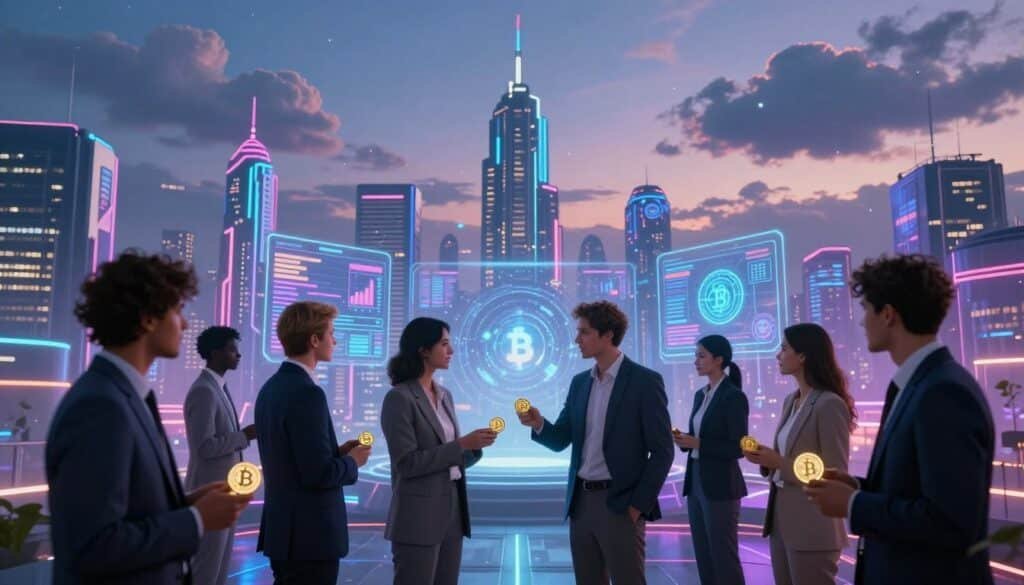
The metaverse represents an evolution of the internet. It moves beyond flat pages into immersive 3D experiences. People can socialize, work, and conduct business in ways that mirror real life. These virtual worlds are interconnected, allowing seamless movement between them.
This new digital frontier requires a native economic system. Cryptocurrencies provide that essential infrastructure. They enable peer-to-peer transactions and true digital ownership. Services and economies can operate independently of traditional banks.
Crypto and blockchain form the backbone of these interactive spaces. They offer the security and transparency needed for complex digital interactions. This foundation unlocks unique opportunities for community and commerce online.
Decoding the Metaverse Economy
At the heart of every immersive digital world lies a complex financial system built on blockchain principles. This metaverse economy involves buying, selling, and creating across virtual spaces. All transactions are secured on a transparent ledger.

This system prevents fraud and proves ownership without central banks. It creates trust in digital markets.
Digital Ownership and NFT Revolution
NFTs are revolutionary tools for true digital ownership. They let users possess unique items like virtual land or art. Each token has verifiable scarcity on the blockchain.
Creators benefit from direct sales and ongoing royalties. This empowerment changes how value is created in digital platforms.
Decentralized Finance and User Empowerment
Decentralized finance brings services like staking and lending into the metaverse. Users can stake tokens for rewards or lend digital assets.
This opens financial access globally. Smart contracts automate deals, creating efficient systems. Participants maintain control, influencing market dynamics directly. Exploring these models can help you make money in the metaverse.
Different metaverses use this technology to build independent economies. Each platform offers new ways for user engagement.
Blockchain Technology’s Role in Virtual Worlds
Interoperability, powered by blockchain, allows digital assets to flow freely between different metaverse environments. This technology provides the secure, transparent foundation needed for complex digital commerce. Its features create trust where participants may be anonymous.
Smart Contracts in Action
Smart contracts are self-executing programs that automate agreements. They process virtual land leases or transfer digital assets when payment is received. These contracts remove the need for manual oversight from centralized authorities.
For example, a smart contract can automatically distribute earnings to a creator when their item sells. This automation enables efficient economic systems within virtual worlds. It empowers each user by enforcing deals fairly.
Interoperability Across Virtual Platforms
A key blockchain technology benefit is cross-platform compatibility. You can use an asset like Ethereum in both Decentraland and The Sandbox. This flexibility makes digital items more valuable across different platforms.
High transaction fees on networks like Ethereum can hinder small deals. Layer 2 solutions, such as Polygon, help by lowering costs and speeding up transactions. This advancement supports a more connected digital world.
As a foundational layer, blockchain secures all economic activities. It maintains security and control for participants, a concept explored in deeper technical research available here.
How to Use Crypto in Metaverse
Virtual worlds operate on their own economic principles, powered by blockchain-based currencies. To engage with these spaces, you need specific digital tokens like Ethereum (ETH), The Sandbox’s SAND, or Decentraland’s MANA. These function as the native currency for their respective platforms.
Transactions with these cryptocurrencies are peer-to-peer. They bypass traditional banks, which reduces fees and speeds up payments. This system offers global access to the metaverse economy.
Primary activities include purchasing virtual land and digital real estate. You can also buy avatar clothing and other unique wearable items. Trading collectibles and NFTs is another major use case.
Play-to-earn gaming models allow users to earn crypto rewards. The underlying technology ensures true, verifiable ownership of all digital assets. This is a fundamental shift from temporary licenses.
Understanding this way to utilize digital currency is the gateway to full participation. It unlocks everything from simple purchases to complex investments in these evolving worlds.
Step-by-Step Guide to Crypto Transactions in Virtual Worlds
Your journey into immersive digital spaces begins with acquiring the right tokens. You need a secure place to store them and a trusted platform to make purchases.
Setting Up Your Crypto Wallet
A digital wallet is your gateway. Easy-to-use options like MetaMask store your cryptocurrencies and NFTs. They connect directly to various metaverse projects.
Setting one up is simple. You create an account and secure your private keys. This gives you full control over your digital assets. Never share your access information.
For comprehensive metaverse blockchain services, understanding wallet integration is key.
Navigating Trusted Crypto Exchanges
To get started, follow these clear steps on a reputable exchange:
- Choose a Platform: Select established services like Coinbase, Kraken, or Uphold. Check their security history and supported coins.
- Register and Verify: Provide your full name, email, and address. You will need a government-issued ID for verification. This process is standard.
- Fund Your Account Deposit U.S. dollars. Wire transfers are widely accepted. Minimum deposits are often between $10 and $20.
- Purchase Tokens: Select your desired metaverse currency. View the market price and place a buy order. Your new tokens will appear in your exchange wallet.
After buying, consider moving your cryptocurrency to your personal wallet for enhanced security. This is the safest way to manage your money in these worlds.
Navigating Virtual Real Estate in the Metaverse
Beyond digital collectibles, the concept of owning and developing virtual land has emerged as a primary economic driver. This digital real estate is tokenized as NFTs, providing blockchain-verified proof of ownership.
These assets grant rights similar to physical property. Owners can build, lease, or sell their parcels. Major brands like Atari and Adidas have established a business presence in these metaverses.
Investing in Virtual Land and Assets
The investment potential is significant. Individual parcels have sold for hundreds of thousands of dollars. Value depends on location, proximity to popular areas, and development potential.
Generating income from your land is possible through several methods:
- Developing properties and charging admission fees
- Renting space to other users or brands
- Hosting paid events or selling advertising
- Holding the real estate for long-term appreciation
Cryptocurrencies facilitate these transactions, while blockchain acts as the title system. This creates a new world of opportunity, though it requires research. Understanding the principles of virtual land ownership is crucial before committing money.
Exploring Gaming Economies and NFT Marketplaces
Imagine earning real income simply by playing a video game within the metaverse—this is the promise of play-to-earn models. These systems transform gaming from a cost into a potential revenue stream. Entire economies now thrive in this digital world.
Play-to-Earn Models and In-Game Currencies
Games like Axie Infinity pioneered this space. Players collect, breed, and battle NFTs creatures called Axies. Successful gameplay rewards them with Smooth Love Potion (SLP) tokens.
SLP acts as a functional in-game currency. These digital coins can be sold for real money, allowing players to earn crypto by playing. The model beautifully mixes entertainment with finance.
The governance token, AXS, powers the Axie Infinity ecosystem. It allows holders to influence the game’s future direction. This approach has created professional players and expanded the user base significantly.
The Value Proposition of NFT Items
Non-fungible tokens grant true ownership of digital assets. Unlike traditional games, your items are yours to keep, trade, or sell. NFTs marketplaces facilitate this trade, creating vibrant secondary markets.
Rare characters, virtual land, and unique weapons hold significant value. Their scarcity is verified on the blockchain. This creates new business opportunities within gaming metaverses.
These platforms offer accessible entry points for earning crypto coins. However, token price volatility and project sustainability require careful evaluation. The metaverse presents both remarkable potential and notable risks.
Leveraging Investment Strategies on Decentralized Platforms
Decentralized platforms offer multiple pathways for gaining exposure to growing virtual world economies. Beyond simple token purchases, sophisticated strategies can enhance potential returns.
Cryptocurrency markets are highly volatile and speculative. Investors should understand the risks before committing money. Several approaches exist for engaging with metaverse projects.
Direct purchases of platform-specific coins represent the simplest way. Many users also explore decentralized finance protocols. These include staking tokens for passive rewards and providing liquidity on automated market makers.
Evaluating cryptocurrencies requires careful research. Consider the token’s utility within its ecosystem. Review the development team’s credibility and the project’s roadmap.
Contracts for difference allow speculation on price movements without owning the underlying currency. This leveraged trading amplifies both gains and losses. Online brokers provide access to these instruments alongside traditional assets.
Risk management is essential. Diversify your portfolio across different metaverses and asset types. Never invest more than you can afford to lose completely in this emerging technology space.
Security Measures and Best Practices for Virtual Transactions
A robust security framework is non-negotiable for anyone engaging in economic activities across metaverse platforms. Protecting your digital wealth requires understanding both platform safeguards and personal responsibility.
Protecting Your Digital Assets
Start by selecting a platform with a proven cybersecurity record. Avoid services that have experienced major hacks. Your chosen exchange should offer advanced security features.
Look for withdrawal address whitelisting. This feature only sends your coins to pre-approved wallets. It is a powerful barrier against theft.
Reputable exchanges keep most customer assets in cold storage. These offline wallets are immune to online attacks. Only a small portion remains in “hot” wallets for daily transactions.
Users must also practice personal vigilance. Use strong, unique passwords and enable two-factor authentication. Never share your private keys or seed phrases with anyone.
Ensuring Compliance and Safe Trading
Always verify wallet addresses before sending money. Blockchain transactions are irreversible. Conduct a small test transfer first when using a new address.
For significant holdings, consider self-custody with a hardware wallet. This gives you complete control over your assets. It removes reliance on a third-party platform.
Understand that cryptocurrency exchanges lack traditional investor protections. They are not SIPC members. If an exchange fails, you could become an unsecured creditor.
Maintain detailed records of all trades for tax purposes. Know your local regulations regarding digital assets. Compliance is a key part of security.
Emerging Trends and Opportunities in Crypto-Powered Worlds
Future developments in virtual ecosystems are being shaped by trends in interoperability and asset tokenization. These innovations are expanding the metaverse far beyond isolated worlds.
Interoperability is a major focus. Groups like Enjin and OMA3 work to set common standards. Their goal is letting tokens and identities move freely between different metaverses.
User-friendly wallet technology is lowering the entry barrier. Solutions like MetaMask simplify connecting to various projects. They securely store your cryptocurrencies and NFTs in one place.
Tokenization of real-world assets is a revolutionary trend. It turns physical land or property into digital tokens on the blockchain. Platforms like Propbase enable this process.
This technology democratizes access to high-value investments. You can own a fraction of real estate through these blockchain tokens. It blends physical and digital economies seamlessly.
The result is a richer, more accessible financial landscape. New business models are emerging across the internet. This evolution creates fresh avenues for value and participation in the metaverse.
Analyzing Global Adoption and U.S. Market Dynamics
The emergence of metaverse cryptocurrencies as a sub-asset class has captured investor attention worldwide. These digital coins offer early exposure to a potential new internet era. Their market performance, however, shows significant volatility.
International Insights in Metaverse Expansion
Adoption patterns differ sharply by region. Asian markets show strong engagement in gaming metaverses like Axie Infinity. Western regions focus more on virtual land and brand experiences.
Developing economies leverage play-to-earn models for income. This creates diverse global demand for platform-specific currency. Each area contributes to the overall market growth.
Growth Drivers and Investor Opportunities
Key growth drivers include better VR hardware and corporate investment. Mainstream awareness is rising quickly. These factors expand the investment landscape.
Investors can access opportunities across the value chain. This includes buying platform coins and supporting infrastructure projects. Identifying emerging platforms before mass adoption is another strategy.
Remember, cryptocurrency trading in this space carries high risk. The 2021 bull run saw tokens like MANA and SAND surge. The 2022 correction highlighted the inherent volatility. Always conduct thorough research before using any exchange.
Conclusion
The fusion of blockchain and immersive digital space is reshaping our online future. Crypto provides the essential framework for this new world. It enables true ownership of digital assets and powers dynamic virtual economies.
This technology unlocks diverse opportunities. Users can invest in virtual land, earn game rewards, and trade unique coins. Access to the metaverse is now more direct and user-controlled.
Engage based on your interests and risk comfort. Always prioritize security and thorough research. The crypto-powered metaverse represents a fundamental shift, with its full potential still unfolding.
FAQ
What are NFTs and why are they important for digital ownership?
NFTs, or non-fungible tokens, are unique digital assets verified on a blockchain. They prove true ownership of items like art, collectibles, and virtual land. In virtual worlds like Decentraland, NFTs allow users to own, trade, and monetize their digital assets securely. This revolutionizes how we value and control property online.
How do smart contracts function within these platforms?
Smart contracts are self-executing agreements written in code on a blockchain. In the metaverse, they automate transactions for buying virtual land or trading NFT items. For example, a sale on a marketplace like OpenSea uses a smart contract to transfer ownership instantly and transparently, removing the need for a middleman.
What are the best practices for securing my digital assets?
Protecting your digital assets starts with a secure wallet like MetaMask. Use hardware wallets for large holdings, enable two-factor authentication, and never share your private keys. Always verify smart contract addresses before interacting and use reputable platforms like established crypto exchanges for transactions to minimize risk.
Can I really invest in virtual real estate?
Yes, investing in virtual land is a growing market. Platforms like The Sandbox and Decentraland sell parcels of virtual real estate as NFTs. Owners can develop property, host events, or lease space. The value is driven by location, scarcity, and platform activity, similar to physical real estate markets.
How do play-to-earn gaming economies work?
Games like Axie Infinity use play-to-earn models. Players earn valuable in-game tokens and NFTs by winning battles or completing tasks. These digital assets can be traded on crypto exchanges for other cryptocurrencies or real money. This creates a viable investment and income stream for many users.
What is the first step to start using cryptocurrency in a virtual world?
The first step is setting up your crypto wallet. Download a trusted wallet application, such as MetaMask or Phantom. Then, purchase cryptocurrency like Ethereum (ETH) from a regulated exchange like Coinbase. Fund your wallet to buy tokens, access services, and trade items within metaverse platforms.
Why is interoperability between different virtual platforms crucial?
Interoperability allows digital assets like avatars or NFT items to move across different virtual worlds. This is powered by blockchain technology and common standards. It increases the utility and long-term value of user purchases, creating a more connected and powerful internet experience, often called the metaverse.

No comments yet