

The digital collectibles market is evolving in exciting new ways. Nonfungible tokens are no longer just for online art or profile pictures.
Today, they are bridging the gap to the real world. This guide dives into the growing trend of linking blockchain tokens to tangible items you can own and hold.
For collectors and brands, this creates a unique opportunity. It combines the proven ownership of digital assets with the lasting value of real-world products.
This blend, often called “phygital,” is changing how we think about ownership. Major companies and independent artists are now exploring this space.
The process connects a digital certificate on the blockchain to a physical object. Understanding how this link works is key for anyone entering this market.
Our article will walk you through the essential details. You’ll learn about the logistics, benefits, and potential challenges involved.
Whether you’re new to nonfungible tokens or an experienced collector, this information is vital. It prepares you to navigate this innovative part of the digital world confidently.
Introduction to NFT Physical Redemption
A new hybrid model is emerging where digital ownership unlocks physical products. These are often called “phygitals.” They connect a blockchain token to a real-world item.
When you own one, you hold both a digital asset and a claim to a corresponding tangible good. You can trade the token like any other non-fungible token. Or, you can exchange it for the actual product.
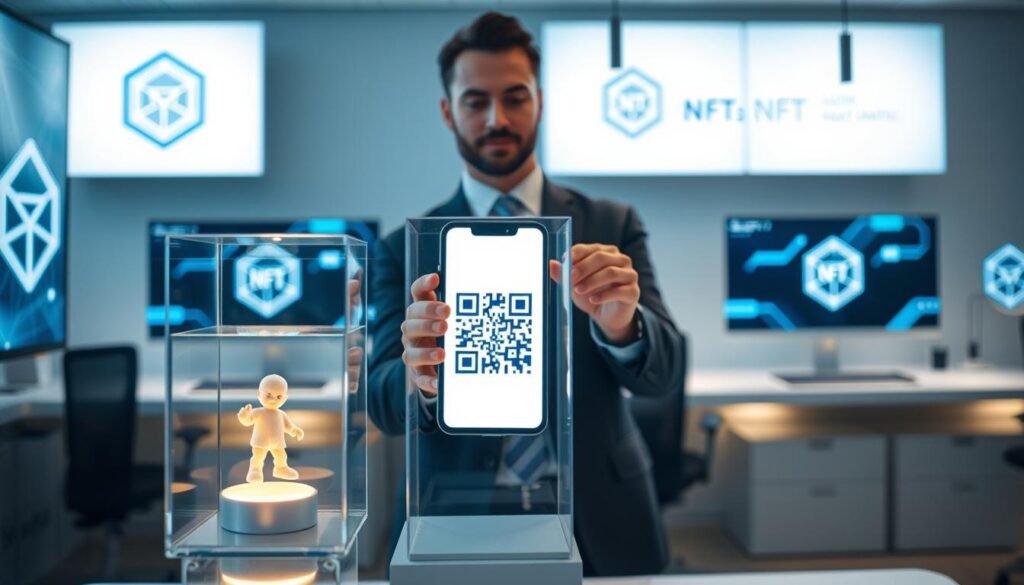
This creates flexibility for collectors. They can keep the digital certificate as a tradeable investment. Or they can redeem it for the physical object.
Brands are adopting this model widely. It serves as a verifiable proof of authenticity on the blockchain. At the same time, it represents a claim to a real item.
Industries from fashion to consumer goods are exploring physical NFTs. This approach adds a fresh dimension to collecting. Understanding how these phygital items work is key for anyone entering this market.
NFT Physical Redemption Explained
The key concept here is a direct, verifiable link between a blockchain entry and a material good. This link turns a digital certificate into a claim for a real-world object.
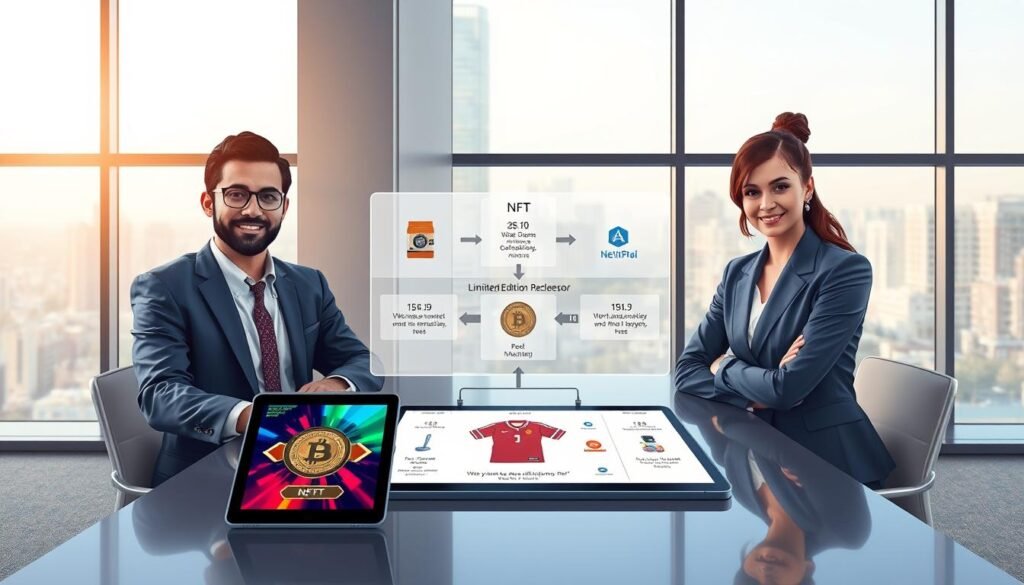
To receive the physical item, the holder exchanges their digital token. This action, often called “burning,” permanently removes the token from circulation.
This ensures the digital and tangible versions cannot exist separately. The one-to-one relationship protects scarcity and value.
These hybrid assets offer great flexibility. You can trade the digital token or hold it as an investment. Later, you can choose to claim the corresponding object.
The blockchain acts as an immutable ledger. It permanently records the ownership and authenticity of this connection.
Clear terms for the swap must be set when the token is created. Understanding this process helps collectors make smart choices. Learn more about physical NFTs and their unique advantages.
Blockchain Technology and Digital Ownership
At the core of this new collecting paradigm lies a revolutionary technology: the blockchain. This system acts as a decentralized, public ledger. It permanently records all transactions and ownership details.
The immutability of the blockchain is its greatest strength. Once information is added, it cannot be changed or tampered with. This creates a trustworthy record for both digital and tangible items.
Smart contracts automate key processes. These are self-executing agreements coded into the token. They manage rules for transferring ownership or claiming a linked object.
This technology provides provable scarcity and authenticity. For high-value collectibles, the blockchain serves as a cryptographic certificate. It is more secure than traditional paper documentation.
Every transaction is transparent and traceable. You can see the complete history of an asset. This includes past owners and sale prices, building confidence for buyers.
Understanding this foundation is essential. It shows why linking a digital token to a real-world item is a verifiable and secure system.
How to Redeem NFTs for Physical Assets
The journey from digital asset to delivered product follows a structured path. Knowing the steps prepares collectors for a smooth claim experience.
Step-by-Step Redemption Process
First, visit the brand’s designated website or platform. Connect your digital wallet to prove you hold the token.
The system checks blockchain data to confirm your ownership. Once verified, you can start the swap.
This often involves “burning” your digital certificate. For example, BlockBar removes the token to send a bottle from Singapore.
Submitting Shipping Information
Next, you must provide delivery details. Wallets don’t store personal data, so a separate form is needed.
Enter your full name, address, and contact info. Some items require compliance checks for your jurisdiction.
After submitting, the platform processes your order. They arrange shipping from their storage facility.
Users typically receive tracking details to monitor delivery. Submitting this data at purchase can speed up the process later.
Overcoming Challenges in Physical NFT Redemption
For brands launching token-linked products, the post-mint phase reveals critical logistical gaps. The case of Vinsent’s wine drops highlights this well.
Only 15-30% of holders claimed their bottles. This shows a common struggle for many projects.
User Data Collection Issues
Blockchain wallets only show addresses, not personal data. This creates a major hurdle.
Companies must find holders on social platforms like Discord or Twitter. They then ask for shipping details separately.
This process is inefficient. It also respects user privacy but slows down the claim process.
Jacob Ner-David, Vinsent’s CEO, learned a key lesson. He stated a redemption mechanism must be ready before any drop.
Logistics and Storage Complications
When users don’t claim their items, storage becomes a costly problem. Unclaimed wine requires climate-controlled facilities.
These storage fees add up over time. They can hurt a project’s profits.
New solutions are emerging. Some build expected storage costs into the initial token price.
Others use metadata to warn about future fees. This prepares holders and manages expectations from the start.
Planning for these physical nfts challenges upfront is now seen as essential for success.
Innovative Strategies in Phygital Commerce
The phygital commerce space is witnessing a surge of inventive approaches designed to solve logistical hurdles. Forward-thinking brands are creating specialized systems to improve the user experience.
First-Come, First-Served Systems
Some companies are testing urgency-based models. For example, NXTG3NZ explored a system for its sneaker drop with rapper Lil Durk.
Top-tier holders could claim physical sneakers immediately. If they did not act, another user could take the opportunity.
This method incentivizes prompt action. It helps ensure items do not sit unused in storage.
Strategic adviser Jeff Malko noted the innovative nature of this work. He stated, “NFTs are cutting edge and we are all trying to innovate. There are no blueprints for this process.”
Many platforms now target the mainstream consumer. They allow shipping details to be submitted at purchase for automatic shipment later.
This simplifies the process for non-Web3 natives. It removes complex follow-up steps after the sale.
Privacy is also a key concern for these services. Solutions like Boson Protocol use encrypted messaging.
This lets buyers share data only with sellers. It protects personal information from third parties.
The evolution of these specialized services shows how companies are adapting. They are building infrastructure for a new kind of commerce.
Authenticating and Tokenizing Physical Art
The art world is embracing cryptographic methods to authenticate physical pieces through digital tokens. This process creates a verifiable link between a tangible artwork and its blockchain certificate.
Tokenization Techniques
Artists begin by creating a high-quality digital representation of their art. This can be done with a smartphone photo or professional digitization services.
The digital file is then minted as a token on a blockchain platform. This tokenization process turns the art into a hybrid asset.
Establishing a rarity system is crucial for adding value. Limited editions or unique characteristics make each piece more collectible.
Cryptographic Authentication for Art
Cryptographic authentication provides stronger security than traditional methods. Blockchain records cannot be forged, protecting both creators and collectors.
Pioneers like Beeple have shown successful models. His tokens represent ownership of displays, certificates, and unique personal items.
Physical galleries like Superchief Gallery in New York now exhibit these digital artworks. This bridges traditional art spaces with new markets.
Remember, all metadata must be final before minting. These tokens cannot be updated later, ensuring permanent authenticity.
Real-World Examples and Market Trends
From luxury sneakers to fine spirits, real-world case studies show the practical application of phygital assets. Major companies are leading the way, proving this model works across different industries.
Case Studies from RTFKT, BlockBar, and Adidas
RTFKT, now part of Nike, created a standout example with its Cryptokicks iRL collection. Holders of specific digital tokens could reserve limited-edition physical sneakers. This approach gave people time to submit shipping details, solving a key logistical hurdle.
Adidas partnered with the Bored Ape Yacht Club for another high-profile launch. Purchasers received exclusive digital assets alongside matching physical goods like hoodies and tracksuits. Such collaborations build strong community loyalty and hype.
BlockBar offers a complete service for luxury beverages. Each token links to a real bottle stored securely. The platform handles insurance, global shipping, and resales, reporting a smooth process for users. Similarly, GAP released token-linked hoodies, showing how mainstream consumer brands are testing these waters.
Current market trends highlight several key uses for these hybrid assets:
- Authenticity proof in a global counterfeit goods industry valued over $500 billion.
- Exclusive access to limited-edition products and collections.
- Enhanced asset value by combining digital scarcity with tangible items.
- Loyalty rewards that deepen engagement with a brand’s community.
The variety of successful approaches shows the industry is still innovating. Companies are finding what works best for their products and people.
Conclusion
Looking ahead, the fusion of blockchain tokens with tangible goods is reshaping consumer engagement and brand loyalty. Industry experts like Justin Banon see this as the path for Web3 loyalty programs.
These digital certificates can reward customer behaviors. They then unlock access to digital, physical, and experiential assets.
This model offers verifiable ownership and new value for both brands and people. However, challenges in logistics and infrastructure remain.
As Akbar Hamid notes, close collaboration is key to ensuring utility is delivered efficiently. Specialized platforms and services are emerging to streamline the redemption way.
For collectors and creators, this technology bridges the digital and physical world. It enhances the ownership experience of real-world items.
The future of physical NFTs is promising. As more nfts are adopted, they will continue to transform how we think about assets and their tangible worth.

No comments yet