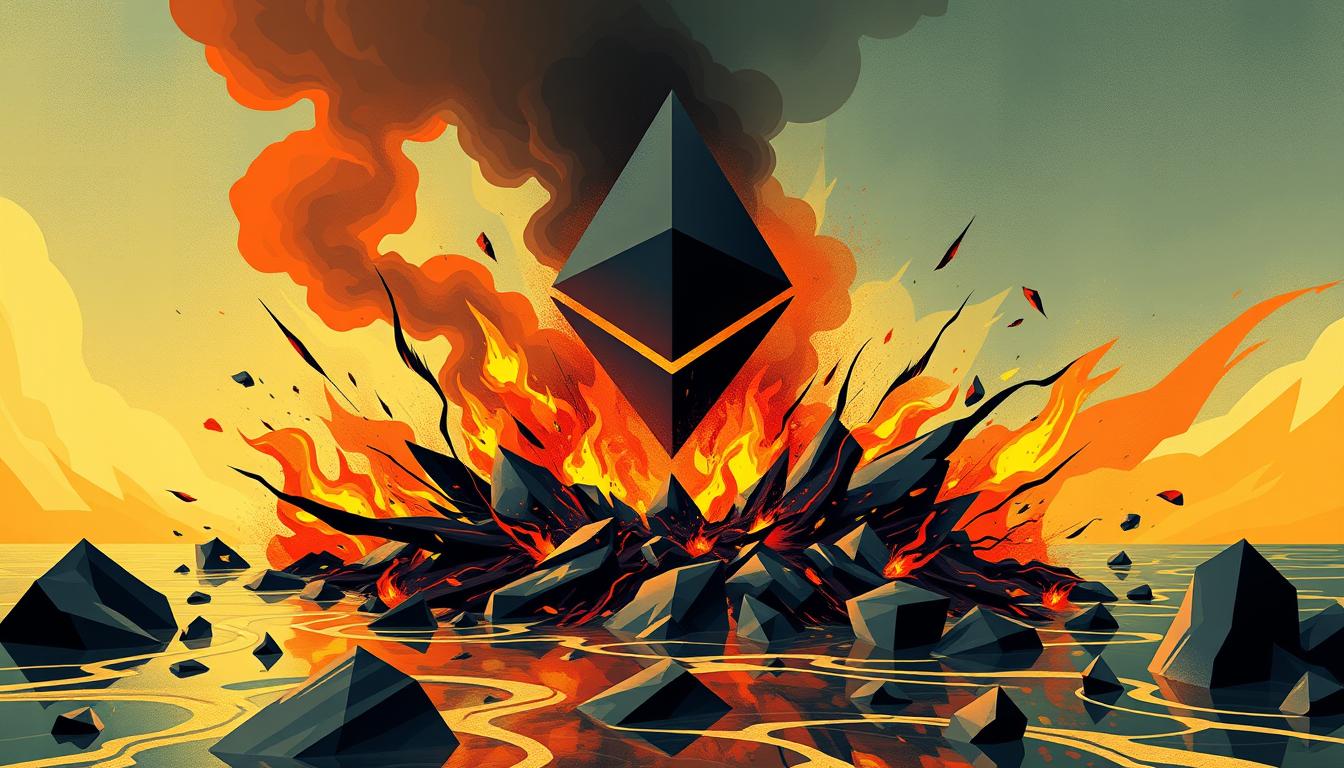
Every action on blockchain networks requires resources, and someone has to pay for them. This is where transaction costs come into play—a critical element that keeps decentralized systems running smoothly.

Every action on blockchain networks requires resources, and someone has to pay for them. This is where transaction costs come into play—a critical element that keeps decentralized systems running smoothly.
Digital ownership is reshaping how we manage money. Unlike traditional banks, cryptocurrency networks operate on thousands of independent computers worldwide. This decentralized structure makes them resistant to hacking or shutdowns.
Navigating digital asset markets requires tools that adapt to rapid price shifts. Derivative contracts like options provide flexibility for traders aiming to capitalize on volatility without direct asset ownership. These
Blockchain networks have revolutionized digital transactions, but they often operate in isolation. Each platform functions like a self-contained ecosystem with distinct rules and protocols. This separation limits how users interact
Digital assets are reshaping how value moves globally, and stablecoins sit at the center of this shift. These blockchain-based tokens, pegged to stable assets like the U.S. dollar, now handle
Digital asset holders face a common dilemma: how to earn passive income without locking up funds indefinitely. Traditional methods often require sacrificing liquidity, leaving assets frozen for weeks or months.
Imagine a world where innovative ideas can launch like rockets, fueled by supporters from every corner of the globe. This is the promise of blockchain-powered fundraising, a system reshaping how
Modern digital ownership demands tools that prioritize both security and autonomy. Unlike traditional financial systems where institutions manage your funds, decentralized solutions put full control directly in your hands through
Distributed ledger systems are reshaping industries worldwide, offering unmatched security and efficiency. The global market for this technology hit $4.8 billion in 2022, with Web 3.0 innovations adding another $2.25
Losing access to financial resources creates immediate stress, especially when dealing with digital holdings. With over 82 million blockchain users worldwide, account lockouts from forgotten passwords or technical glitches have