
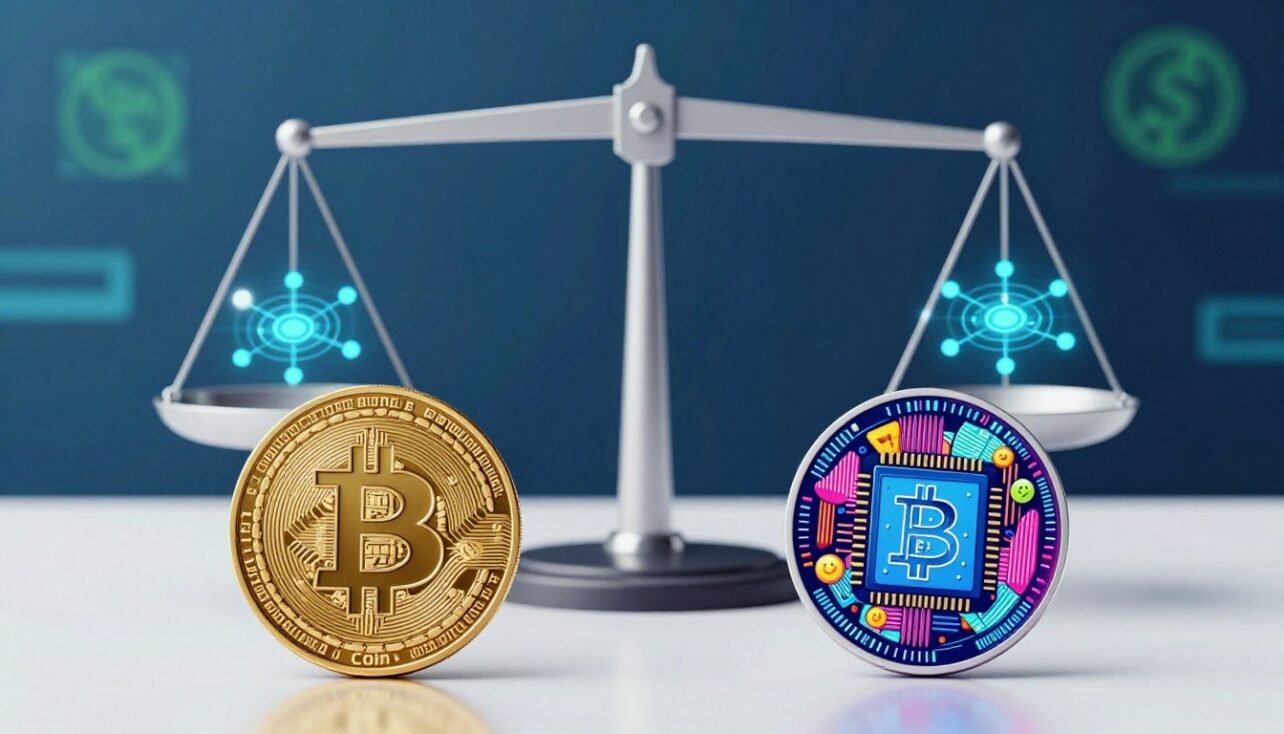
Entering the world of digital assets reveals a landscape far from uniform. While often grouped together, the various forms of blockchain-based value operate on distinct principles.
Grasping this fundamental separation is crucial for anyone engaging with this market. It builds confidence for making informed decisions, whether for personal investment or practical application.
Both types serve as digital representations of value. Their core technological foundations, however, are not the same. This variance directly shapes their functionality, security, and real-world use cases.
This guide cuts through the confusion. Our goal is to clarify the terminology and provide a clear, actionable understanding of each asset class.
We will explore essential topics like underlying blockchain infrastructure, consensus mechanisms, and specific utility functions. You’ll gain a comprehensive view of how these digital assets power the modern ecosystem.
Introduction to Crypto Tokens and Coins
Navigating the crypto space requires clarity on its two fundamental asset classes. These digital assets form the backbone of the entire ecosystem.
Mastering these basic terms is the first step toward confident participation.

Defining Crypto Coins
Crypto coins are native currencies of their own independent blockchain. Bitcoin, Ethereum, and Monero are prime examples.
Each operates on a dedicated network with a unique ledger. They share core traits with traditional currencies:
- Fungibility: Every unit holds equal value.
- Divisibility: They can be split into smaller units.
- Portability: Easy to transfer globally.
- Limited Supply: Many have a fixed maximum cap.
Their primary role is as a medium of exchange. Some, like Ether, also power network operations.
Understanding Crypto Tokens
In contrast, crypto tokens are built atop existing blockchain platforms. They rely on smart contracts, like the ERC-20 standard on Ethereum.
Tokens offer diverse functions beyond simple payment. They can provide utility, grant governance rights, or enable specific services.
For instance, the TEL token facilitates transactions within its own ecosystem. This highlights the difference between a coin and a in practical use.
While coins act like digital money, tokens unlock interaction with decentralized applications and projects.
Understanding what is a crypto token vs coin difference
Distinguishing between the two primary forms of digital assets requires examining their foundational layer. The core separation hinges on whether an asset is native to its own blockchain or built on top of an existing one.
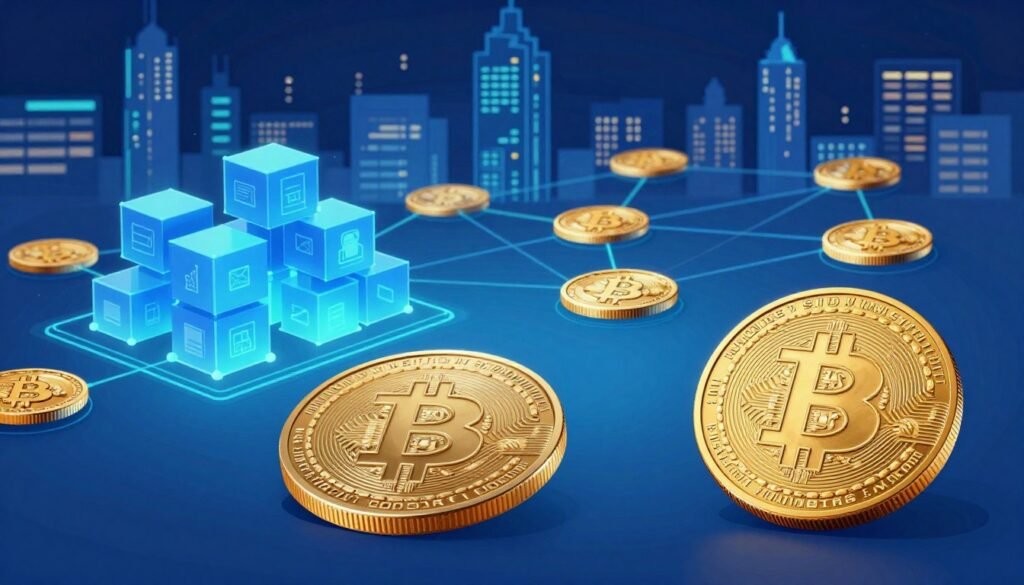
Key Characteristics of Coins
Coins are the native currency of their own independent network. Bitcoin (BTC) on the Bitcoin blockchain and Ether (ETH) on Ethereum are prime examples. Each network has only one such native asset.
These assets function like digital money. They serve as a store of value and a medium of exchange. This makes them similar in purpose to traditional currency.
Furthermore, native coins are vital for network security. They provide the economic incentive for miners or validators. These participants maintain the network’s integrity and process transactions.
In contrast, tokens are created on established platforms. A single blockchain like Ethereum can host thousands of different tokens. These include ERC-20 utility tokens and ERC-721 NFTs.
Tokens are generated through smart contracts for specific applications. They power decentralized projects rather than the base network itself. Understanding this fundamental difference is crucial for navigating the ecosystem effectively.
Exploring the Role of Blockchain in Coins and Tokens
At the core of every cryptocurrency lies a critical decision: build a new network or leverage an existing one. This choice defines the fundamental architecture of the asset.
The Significance of Independent Blockchains
Coins like Bitcoin and Ether operate on their own standalone blockchain. This independence requires a unique consensus mechanism and a dedicated network of validators.
The native coin acts as the essential fuel. Users pay transaction fees with it, and participants earn it for securing the network.
In contrast, tokens utilize established blockchain infrastructure. Projects avoid building a network from scratch.
Smart contract-compatible blockchains like Ethereum and Solana enable this. They use standards such as ERC-20 for efficient crypto tokenization.
This architectural difference offers distinct benefits. Tokens launch quickly and gain built-in interoperability. Coins maintain complete autonomy over their blockchain‘s features.
The base layer ultimately shapes an asset’s security model and potential use cases.
Diving Deeper: How Coins Secure Networks
The security of a blockchain network hinges on its native coin and the consensus mechanism it employs. These assets provide the economic incentive that keeps the system operational and decentralized.
Consensus Mechanisms: Proof of Work vs Proof of Stake
Proof of work requires miners to solve complex puzzles. They use significant computational power and earn new coins as rewards.
Bitcoin uses the SHA-256 algorithm. Litecoin employs Scrypt for faster transactions.
Proof of stake selects validators based on coins they lock up as collateral. Ethereum and Cardano use this energy-efficient method.
Their native crypto coin powers all network operations and fee payments.
Security and Decentralization
The incentive structure rewards participants globally. This distribution prevents central control and enhances resilience.
A higher coin value makes attacks more expensive. This creates a self-reinforcing security model where success and protection grow together.
These cryptocurrencies function as a robust store of value and a medium of exchange. Their fundamental role ensures the entire ecosystem remains trustworthy.
Utility and Governance: The Multifaceted World of Tokens
The true versatility of blockchain emerges through the diverse applications of tokens. These programmable assets fulfill specialized roles within digital ecosystems.
Unlike native currencies, tokens are built for specific purposes. Common types include utility, governance, security, and non-fungible tokens.
Utility Tokens and Their Applications
Utility tokens grant users access to a project’s features or services. They function as internal currency within decentralized platforms.
For example, SAND is an ERC-20 token used for in-game purchases in The Sandbox metaverse. The Brave browser uses its token to reward content creators.
These tokens create self-contained economies. They align user incentives with the success of their projects.
Governance Tokens and Community Involvement
Governance tokens empower holders to vote on protocol changes. This enables community-led decision-making.
UNI, the governance token for Uniswap, gives users a direct say in the exchange’s development. It represents a way to achieve decentralized autonomous organization (DAO) control.
Smart contracts automate these functions. Standards like ERC-20 and ERC-721 define the rules for different applications.
This programmable layer allows projects to innovate far beyond simple payments.
Real-World Examples and Use Cases
Concrete examples bring clarity to the theoretical separation between digital asset classes. Observing how these assets function in practice solidifies their distinct roles.
This overview highlights practical use cases for both native currencies and programmable tokens.
Popular Coins and Their Roles in Financial Transactions
Bitcoin stands as the premier example. It operates as a decentralized store of value and a global medium of exchange.
Its fixed supply and robust security model make it “digital gold.” This contrasts with other coins like XRP, designed for bank settlements.
Stablecoins, such as USDT, represent another key example. They peg value to traditional currencies, enabling stable exchange on blockchain networks.
Even Dogecoin shows how assets can represent cultural phenomena. Understanding these roles helps investors see how to generate returns from different cryptocurrency strategies.
Conclusion
The evolution of blockchain technology has given rise to two interdependent yet distinct value layers. While crypto coins and tokens may appear identical on trading platforms, their foundational roles are not the same.
Coins operate as native assets on their own independent blockchain. They function as a medium of trade and a store of value, securing the network.
Tokens, created via smart contracts, build upon existing blockchains. They serve specific purposes within decentralized ecosystems, granting users access or governance rights.
This difference is crucial for informed participation. Knowing whether you hold a native coin or a project token affects risk and utility assessment.
Together, they power the decentralized future. Mastering both cryptocurrency types provides a significant advantage in navigating this transformative landscape.
FAQ
What is the main technical difference between a coin and a token?
The core distinction lies in their underlying blockchain. A coin, like Bitcoin or Ethereum, operates on its own independent network. A token, such as those built on the Ethereum network using its smart contract standards, relies on another blockchain’s existing infrastructure.
Can a cryptocurrency be used as both a coin and a token?
No, the definitions are mutually exclusive based on their technical creation. However, some ecosystems have a native coin for network security and transactions, while also hosting numerous tokens for specific applications and services within that same environment.
Why are tokens so prevalent in the cryptocurrency space?
Tokens are easier and faster to create than building a new blockchain from scratch. They leverage the security and user base of established networks like Ethereum. This allows developers to focus on building unique utility, governance, or asset representation for their projects without managing a full network.
Are tokens considered less valuable than coins?
Not necessarily. Value is driven by utility, adoption, and scarcity. While a coin often functions as currency and a store of value, a token can derive significant worth from its specific use cases, such as granting access to a premium service or representing ownership in a project.
How do I know if I’m buying a coin or a token?
Research the asset’s origin. If it has its own mainnet blockchain (like Cardano or Solana), it’s a coin. If it was created on and operates on another blockchain (like many DeFi and NFT projects), it is a token. This information is readily available on major exchange listings and project websites.

No comments yet